mermaidcamp
Keeping current in wellness, in and out of the water
You can scroll the shelf using ← and → keys
You can scroll the shelf using ← and → keys
The use of flower essences was made popular by Dr Bach in the first half of the 20th century. He was a physician who discovered the effects on his own emotions when he took simple essences of flowers. His formulas are used widely today, the most famous being rescue remedy, which is a combination of flowers. I have used these concentrated bottled products for years and find them to be effective. However, when the flowers bloom I enjoy making and drinking fresh pure flower remedies.
Practitioners of this method must know and study carefully the proper dosage for a patient. Since I am enjoying my own, I am not concerned with the conventional practice of using a few drops diluted in alcohol for a remedy. I drink much larger quantities straight up. I always know the meaning of the flower and the cure for which it is used commercially. There are many local companies doing remedies now, so finding a reference to a specific flower is not so hard. It does require the use of the Latin name. Common names in botany can lead to serious errors.
My peach tree is in bloom now and the bees are busy turning the blooms into peaches. I will make an essence when the weather warms later in the week. Peach, Prunus persica, is used for altruism. It is a catalyst that facilitates the release of tension by those who fret excessively over their own problems. It allows nurturing from wholeness rather than from neediness. It is recommended for external application. This is important. The remedy works if you put it in a bath or rub it into the skin. You do not need to consume it to enjoy the benefits. The first step in making an essence is to meditate on the plant. Enter a quiet state, the best you can, and ask the plant for healing.
This is not natural to you yet, but if you do it for a while, you will begin to feel (notice, perceive) the plant respond to your request. Staying quiet and respectful, pay attention as you pick the flowers so as not to strip or deplete the tree. Placing the flowers in a clear vessel full of clear water, rest the glass container in the sun (or moon) for a while. This is subjective. Do not let it become sun tea, as the flower is delicate. Stop before the flower wilts, but after a taste has entered the water. It often tastes like cucumber or melon. Roses, iris, violets, and citrus taste just like they smell, which is lovely. Peach has little smell or taste, but the beauty of the flowers makes a very happy meditation.
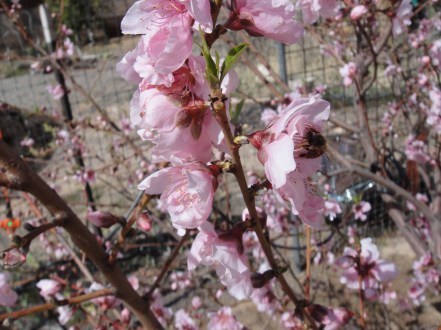
bee in peach tree
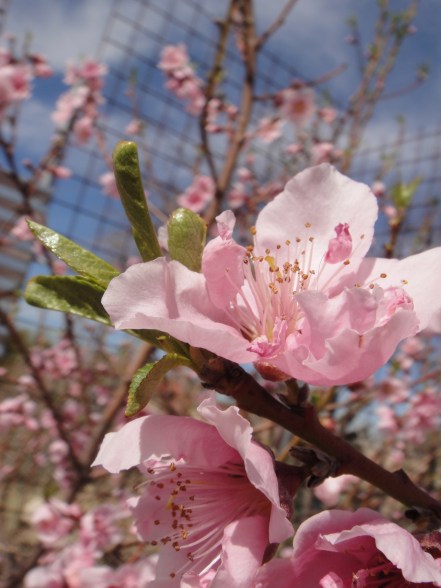
prunus persica
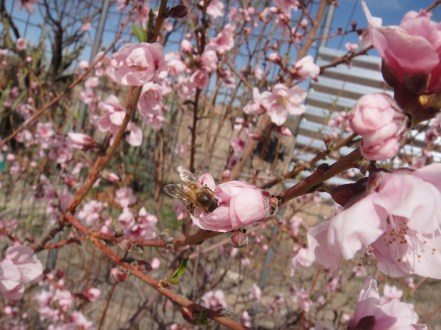
peach blossom special

bee on peach
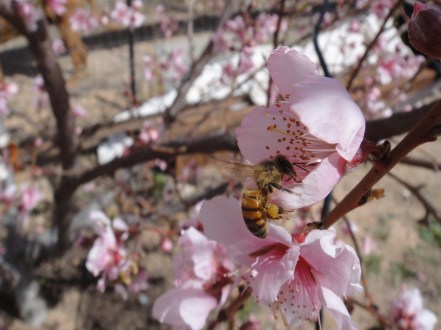
bee with pollen sacks
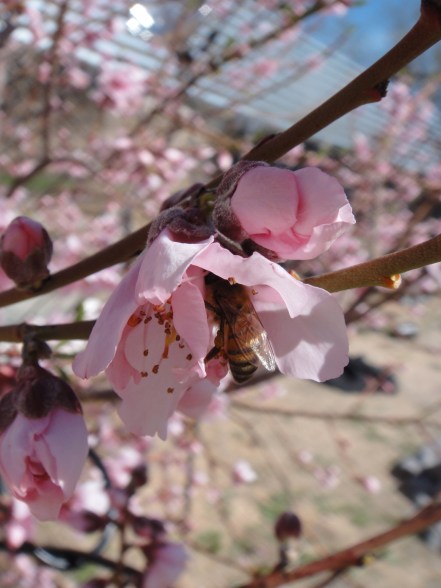
bee in peach blossom
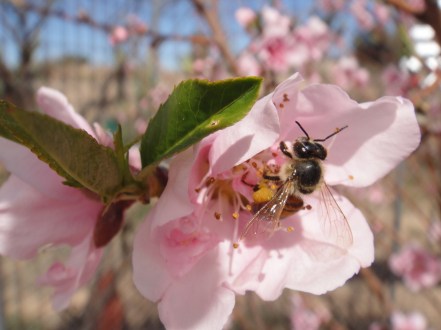
bee in peach tree
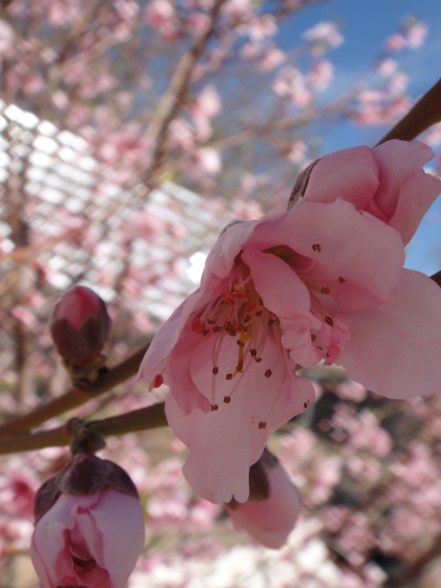
prunus persica flowers
Wow, these are gorgeous photos, Pamela! And very interesting concept too…I’ve tried hibiscus flower tea, may have to give this a whirl!
LikeLike
I know Dr. Bach’s products!! Have used some too. very helpful to know about botanicals
LikeLike


 mermaidcamp