mermaidcamp
Keeping current in wellness, in and out of the water
You can scroll the shelf using ← and → keys
You can scroll the shelf using ← and → keys





Invasive botanical species are like untended social problems. If they are ignored they will take over and eliminate the native species because they are powerful and destructive. Rhus Lancea is an invasive species that is taking over midtown Tucson. It was brought here as a landscape plant, but quickly got out of control. It is a relative of poison ivy, and causes some people to have serious allergic reactions, either respiratory or as a skin rash. It spreads by producing abundant seeds as well as by spreading underground by suckers. If there is irrigation water, rhus lancea will be very likely to sprout and grow, taking nutrients and moisture from the native or landscape plants. Since it develops such a network underground the tree is very difficult to kill. Cutting it down will not kill it, but will encourage spreading through the roots. It is like a street gang, very undesirable and hard to eliminate.
I have been thinking about how these invasive plants are like crime. If everyone ignores crime like tagging, vandalism, and gang activity it sucks the nutrients and value out of the neighborhood. If drug dealing and other crimes are tolerated they blend into the scene making the whole place less valuable and less safe. With no awareness, or worse, willful blindness to criminal and anti social activity we can only expect the environment to fill with undesirable behaviors. We have a vivid illustration of this right outside my front door. We pay landscaping company to kill our landscaping plants and waste large amounts of water each day. We (the owners of shares of our HOA) have just paid to have what was described as a dying mesquite tree removed from our sidewalk. Since it is not dying and is a rhus lancea, we have paid these gardeners to encourage the growth of all of the children of the tree, that have been left in place. The stump will probably grow back again too. If actions we take are based on ignorance we will not arrive at a better situation. Can you think of situations like this that remind you of government? Working against our own interests seems to be so common these days.


Pietro Gradenigo (1251 – 13 August 1311) was the 49th Doge of Venice, reigning from 1289 to his death.
When he was elected Doge, he was serving as the podestà of Koper / Capodistria in Slovenia. Venice suffered a serious blow with the fall of Acre, the last Crusader stronghold in the Holy Land, to the Mamluks of Egypt in 1291. A war between Venice and Genoa began in 1294, and Venice sustained some serious losses: it lost a naval battle, its possessions in Crete were pillaged and the Byzantine emperor,Andronikos II, arrested many Venetians in Constantinople. In response, the Venetian fleet sacked Galata and threatened the imperial palace of Blachernae, but in 1298 they lost again – this time at Curzola. Eventually, in 1299 the two republics signed a peace treaty.
Doge Gradenigo was responsible for the so-called Serrata del Maggior Consiglio, the Locking of the Great Council of Venice. This new law, passed in February 1297, restricted membership of the future Councils only to the descendants of those nobles who were its members between 1293 and 1297. This move created a virtuallyoligarchic system, disenfranchising a great majority of the citizens and provoking some unrest.
In 1308, during Gradenigo’s reign as doge, Venice became involved in war with the Papacy over the control of Ferrara and on 27 March 1309 the Republic was excommunicated by Pope Clement V, barring all Christians from trading with Venice. The Doge’s policy, seen by many as disastrous, led to a plot to depose him and the Great Council, led by Bajamonte Tiepolo and other members of the aristocratic families. On 15 June 1310, the coup failed and its leaders were severely punished. Tiepolo’s plot led to the creation of the Council of Ten, initially as a temporary institution, which later evolved into the permanent body which in reality governed the Republic.
On 13 August 1311, Gradenigo died, and, since Venice was under interdict and the religious ceremonies could not be held, he was buried in an unmarked grave on Murano.
Preceded by
Giovanni Dandolo Doge of Venice
1289–1311Succeeded by
Marino Zorzi
Pietro De Gradenigo (1252 – 1311)
is my 21st great grandfather
Elisabetta Gradenigo (1275 – 1311)
daughter of Pietro De Gradenigo
Taddea DeCarrara (1304 – 1351)
daughter of Elisabetta Gradenigo
Regina Beatrice Della Scala (1321 – 1384)
daughter of Taddea DeCarrara
Veridis Duchess Austria Visconti (1352 – 1414)
daughter of Regina Beatrice Della Scala
Ernst I “Ironside” Archduke of Austria Habsburg (1377 – 1424)
son of Veridis Duchess Austria Visconti
Katharina Archduchess Austria Von Habsburg (1420 – 1493)
daughter of Ernst I “Ironside” Archduke of Austria Habsburg
Christof I VanBaden (1453 – 1527)
son of Katharina Archduchess Austria Von Habsburg
Beatrix Zahringen (1492 – 1535)
daughter of Christof I VanBaden
Sabine Grafin VonSimmern (1528 – 1578)
daughter of Beatrix Zahringen
Marie L Egmond (1564 – 1584)
daughter of Sabine Grafin VonSimmern
Richard Sears (1590 – 1676)
son of Marie L Egmond
Silas Sears (1638 – 1697)
son of Richard Sears
Silas Sears (1661 – 1732)
son of Silas Sears
Sarah Sears (1697 – 1785)
daughter of Silas Sears
Sarah Hamblin (1721 – 1814)
daughter of Sarah Sears
Mercy Hazen (1747 – 1819)
daughter of Sarah Hamblin
Martha Mead (1784 – 1860)
daughter of Mercy Hazen
Abner Morse (1808 – 1838)
son of Martha Mead
Daniel Rowland Morse (1838 – 1910)
son of Abner Morse
Jason A Morse (1862 – 1932)
son of Daniel Rowland Morse
Ernest Abner Morse (1890 – 1965)
son of Jason A Morse
Richard Arden Morse (1920 – 2004)
son of Ernest Abner Morse
Pamela Morse
I am the daughter of Richard Arden Morse
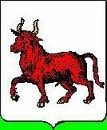

Squarcino Borri, also called Scarsini (1230-1277) was an Italian condottiero and lord of the lands of Santo Stefano Ticino.
Born in Santo Stefano Ticino in 1230, Squarcina was the son of Lanfranco of Borri (end of 12th – early 13th century), the local feudal lord of the city of Santo Stefano Ticino. The Borri family was one of the most respected in Milan, and counted among its ranks a saint, Monas of Milan, Bishop of Milan. Even in his youth, Squarcina (unlike his father) undertook a military career and placed himself at the head of the noble exiles from Milan after the Torriani took power in Milan. He remained a faithful supporter of the Visconti family and distinguished himself as a captain in the service of Ottone Visconti in the famous Battle of Desio in January 1277.
In 1254, he married Antonia (1236-?) of an unknown lineage, and they had a daughter Bonacossa Borri, who in 1269 married Matteo I Visconti, a future Lord of Milan. At the same time the family Borri were reconfirmed in their feudal rights over their lands, and the same Squarcina also became lord of the lands of Castellazzo de’ Stampi in Corbetta in 1275 and remained in office until his death in Invorio in 1277.
Squarcino Borri (1222 – 1277)
is my 21st great grandfather
Bonacossa Borri (1254 – 1321)
daughter of Squarcino Borri
Stefan Visconti (1289 – 1327)
son of Bonacossa Borri
Bernabo Lord Milan di Visconti (1319 – 1385)
son of Stefan Visconti
Veridis Duchess Austria Visconti (1352 – 1414)
daughter of Bernabo Lord Milan di Visconti
Ernst I “Ironside” Archduke of Austria Habsburg (1377 – 1424)
son of Veridis Duchess Austria Visconti
Katharina Archduchess Austria Von Habsburg (1420 – 1493)
daughter of Ernst I “Ironside” Archduke of Austria Habsburg
Christof I VanBaden (1453 – 1527)
son of Katharina Archduchess Austria Von Habsburg
Beatrix Zahringen (1492 – 1535)
daughter of Christof I VanBaden
Sabine Grafin VonSimmern (1528 – 1578)
daughter of Beatrix Zahringen
Marie L Egmond (1564 – 1584)
daughter of Sabine Grafin VonSimmern
Richard Sears (1590 – 1676)
son of Marie L Egmond
Silas Sears (1638 – 1697)
son of Richard Sears
Silas Sears (1661 – 1732)
son of Silas Sears
Sarah Sears (1697 – 1785)
daughter of Silas Sears
Sarah Hamblin (1721 – 1814)
daughter of Sarah Sears
Mercy Hazen (1747 – 1819)
daughter of Sarah Hamblin
Martha Mead (1784 – 1860)
daughter of Mercy Hazen
Abner Morse (1808 – 1838)
son of Martha Mead
Daniel Rowland Morse (1838 – 1910)
son of Abner Morse
Jason A Morse (1862 – 1932)
son of Daniel Rowland Morse
Ernest Abner Morse (1890 – 1965)
son of Jason A Morse
Richard Arden Morse (1920 – 2004)
son of Ernest Abner Morse
Pamela Morse
I am the daughter of Richard Arden Morse
My 23rd great-grandfather was a knight in Scotland who inherited power and a castle by marrying his wife Isabell. The family did well.
Sir Gilchrist Mure
Born: Cir 1200
Marriage: Isabel Cumming
Died: 1280 aged 80
General Notes:
Rowallan had been in possession of the Mures previous to the reign of Alexander III., from which they were dispossessed by the powerful house of Cuming, and the owner, Sir Gichrist More, was ” redacted for his safty to keep close in his castle of Pokellie.” After the battle of Largs, however, upon which occasion Sir Gilchrist received the honour of Knighthood in reward of his bravery, he “was reponed to his whole inheritance.” ” Sir Gilchrist,” continues the author, ” for preventing of more creation of trouble, and for settling of his owne securitie and firmer peace made allyance with this partie of power, and married Isabell, his only daughter and heire, by accession of whose inheritance, to witt of the lands of Cuminside, Draden, and Harwoods, his estate being enlarged.” The editor, however, remarks, that it is ” fully as probable, even from his own showing, that Polkelly was the more ancient inheritance of his family, and that Rowallan was acquired solely by the marriage of the heiress, Isabell, as is generally held.” But to follow our author – ” After the death of Sir Walter Cumine, Sir Gilchrist now secured not onlie in the title and full possession of his old inheritance, but also in his border lands wherein he succeeded to Sir Walter forsaid within the Sheriffdom of Roxburgh, being sensible and mindfull of the deserving of his freinds and followers in time of his troubles, deals with all of them as became a man of honour, bestowing upon each some parcell of land according to his respect, interest or (happly) promise to the person. He disponed to his kinsman Ranald More, who had come purposlie from Ireland for his assistance in time of his troubles, and tooke share with him of the hazard of the battell, the lands of Pokellie,” &c. Now there is evidently a complete jumbling of times and circumstances here. In the reign of David II Maurice Mur- ray had a charter “of the waird of Walter Cuming of Rowallan, in vic. de Roxburgh, with the lands thereof.” It is thus apparent that the Rowallan lands in Roxburghshire were not in possession of Sir Gilchrist at this period and it is next to impossible that the same Sir Gilchrist Mure, who fought at the battle of Largs, could have been alive in the reign of David II. Indeed he is stated by the author to have died in 1280. No reliance, therefore, is to be placed on the “Historie” by Sir William farther back than can be corroborated by concurrent testimony.
He is said, as already mentioned, to have disponed the lands of Polkelly to his kinsman, Ranald More, but of this there is no evidence. The author of the “Historie” refers to a charter ” extant, granted by him to his daughter Anicia, of the lauds of Cuthsach, Gulmeth, Blaracharsan, with the woods thairof purchast from Molid, together with Garnegep and Calder, rowmes now not knowne by these names. The pasturage thairin specifyed being bounded upon the north side from Drwmbwy dicth by Swinstie burne, rnaks evident that the lands of Pokellie have been at that time in the hands of the disponer, and a proper part of the mure of Rowallane,” &e. With his daughter Anicia, married to Richard Boyle of Kelbume, he is said to have given the lands of Polruskane, ” for payment of ane pound of Comine seed in name of blensch ferme yearlie from these times, till by God’s good providence they are now brought in againe, to the house by lawfull purchase. He gifted likewise the lands of Ardoeh (now Crawfurdland,) to Johne Crawfurd and aires, for service of waird and reliefe, and to Edward Arnot the two finnicks for yearlie payment of ane pair of gloves at St Lawrence Chapelland of ane pair of spurs at St Michaell’s Chapell, embleames of reddie service. Last it is recorded that he builded the Mures Ile at Kilmarnock, and decored the same with funerall monuments, and mortified for maintainance of the Priest who did officiat at the altar thairin, to the Abacie of Killwining, the lands of Skirnalland, for which reasone the nomination of the priest forsaid (a custome which constantlie continued till the restoring of religion) was proper to him and his successors.” Sir Gilchrist, who had evidently been the means of vastly increasing the family estates, although there is no evidence of his being in the possession of Rowallan, is said to have died “about the year 1280, neer the 80 year of his age.” He was buried, says the historian, “with his forfathers in his owne buriell place in the Mures Isle at Kilmarnock,” a statement certainly involving an anachronism. If he was the builder of the Isle, he could not well have been buried with his forefathers, unless they had been disinhumed for the purpose. He had, by his lady, Isabcll Cumine:-

Rowallan Castle
Gilchrist Mure (1200 – 1280)
is my 23rd great grandfather
ARCHIBALD Mure (1231 – 1297)
son of Gilchrist Mure
William Mure (1265 – 1348)
son of ARCHIBALD Mure
Adam More (1290 – 1380)
son of William Mure
Elizabeth Mure (1320 – 1355)
daughter of Adam More
Robert Scotland Stewart (1337 – 1406)
son of Elizabeth Mure
James I Scotland Stewart (1394 – 1434)
son of Robert Scotland Stewart
Joan Stewart (1428 – 1486)
daughter of James I Scotland Stewart
John Gordon (1450 – 1517)
son of Joan Stewart
Robert Lord Gordon (1475 – 1525)
son of John Gordon
Catherine Gordon (1497 – 1537)
daughter of Robert Lord Gordon
Lady Elizabeth Ashton (1524 – 1588)
daughter of Catherine Gordon
Capt Roger Dudley (1535 – 1585)
son of Lady Elizabeth Ashton
Gov Thomas Dudley (1576 – 1653)
son of Capt Roger Dudley
Anne Dudley (1612 – 1672)
daughter of Gov Thomas Dudley
John Bradstreet (1652 – 1718)
son of Anne Dudley
Mercy Bradstreet (1689 – 1725)
daughter of John Bradstreet
Caleb Hazen (1720 – 1777)
son of Mercy Bradstreet
Mercy Hazen (1747 – 1819)
daughter of Caleb Hazen
Martha Mead (1784 – 1860)
daughter of Mercy Hazen
Abner Morse (1808 – 1838)
son of Martha Mead
Daniel Rowland Morse (1838 – 1910)
son of Abner Morse
Jason A Morse (1862 – 1932)
son of Daniel Rowland Morse
Ernest Abner Morse (1890 – 1965)
son of Jason A Morse
Richard Arden Morse (1920 – 2004)
son of Ernest Abner Morse
Pamela Morse
I am the daughter of Richard Arden Morse
I spend a lot of time studying history, usually by learning about my own ancestry. The knowledge of my own family in different time periods has really helped me to get a better understanding of significant events and political movements. I began with some curiosity about how my own parents developed their ideas and culture, and now I can’t stop. I guess I don’t think about my own place in history, but a visit to the University I attended when I was 17 has given me both flash backs and chills. The anti-war movement and what was known as the free speech movement were obvious choices for me as a teen. I disagreed with all forms of violence, and my parents not only practiced violence in their personal lives, but firmly believed that military might and hatred were American privileges. I see now that my own reaction to their way of thinking not only changed my life, but changed history.
Now we find ourselves in a highly militaristic and war torn world. Racism has not disappeared, but has gone underground. Poverty and lack of education and health care are in about the same situation as the 1950’s. The effects of the laws, the programs, and the ideals that lifted America to a better place have virtually vanished into thin air. We have more descent about politics then I have seen in my lifetime. Our people are addicted to debt and squandering resources mindlessly. Greed has replaced most other motives, and corporations can buy any government they want. I will not form any philosophy around this decay and lowering of standards for the greater good because it has been happening since the dawn of time. Our recurrent situation, fighting in wars in foreign lands for no logical purpose is no different from the Crusades, or the devastation of Native America. Power may not beget evil, but the cycles of tragedy follow the cycles of power. We can only analyze the past after time has passed and those cycles become clear. In my youth I thought that ending the Vietnam War would end all wars. I have to wonder if this feeling also has occurred in young people forever. The idea that when we finally have power we will change the world to make it better for everyone could not possibly have been originated by hippies. I am sure there have always been those who wanted to give peace a chance. Things have to hit bottom before they bounce, just like real estate. I can only hope that bottom is once again in sight, and that the end of my life will resemble the beginning, with an attitude of hope and conviction that we can do better.
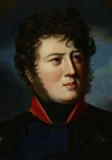
Karl I
My 15th great-grandfather was Margrave of Baden Baden, like his father before him. His son and my 14th great- grandfather followed him in this position. He married very well.
Karl I Von Baden (1424 – 1475)
is my 15th great grandfather
Christof I VanBaden (1453 – 1527)
son of Karl I Von Baden
Beatrix Zahringen (1492 – 1535)
daughter of Christof I VanBaden
Sabine Grafin VonSimmern (1528 – 1578)
daughter of Beatrix Zahringen
Marie L Egmond (1564 – 1584)
daughter of Sabine Grafin VonSimmern
Richard Sears (1590 – 1676)
son of Marie L Egmond
Silas Sears (1638 – 1697)
son of Richard Sears
Silas Sears (1661 – 1732)
son of Silas Sears
Sarah Sears (1697 – 1785)
daughter of Silas Sears
Sarah Hamblin (1721 – 1814)
daughter of Sarah Sears
Mercy Hazen (1747 – 1819)
daughter of Sarah Hamblin
Martha Mead (1784 – 1860)
daughter of Mercy Hazen
Abner Morse (1808 – 1838)
son of Martha Mead
Daniel Rowland Morse (1838 – 1910)
son of Abner Morse
Jason A Morse (1862 – 1932)
son of Daniel Rowland Morse
Ernest Abner Morse (1890 – 1965)
son of Jason A Morse
Richard Arden Morse (1920 – 2004)
son of Ernest Abner Morse
Pamela Morse
I am the daughter of Richard Arden Morse
Charles I of Baden (d. 24 February 1475, Pforzheim) was a Margrave of Baden-Baden in 1454-1475.
Charles was the elder son of Jacob, Margrave of Baden-Baden and his wife Catherine of Lorraine. In 1462 he began the Baden-Palatinate war with Elector Frederick I of the Rhine. This war was finished in the same year with Charle’s defeat.
Family and children
On 1 July 1447 he married Katharina of Austria (1423 – 11 September 1493), daughter of Archduke Ernest the Iron. They had six children:
Katharina (15 January 1449 – before 8 May 1484), married on 19 May 1464 to Count George III of Werdenberg-Sargans
Zimburg (15 May 1450 – 5 July 1501), married on 19 December 1468 to Count Engelbert II of Nassau-Dillenburg
Margareta (1452 – 1495), Abbess in Lichtenthal
Christopher I, Margrave of Baden-Baden (13 November 1453 – 19 April 1527)
Albert, Margrave of Baden-Hachberg (1456 – 1488)
Frederick (9 July 1458 – 24 September 1517), Bishop of Utrecht
The activity on Empire Avenue resembles the stock market, but Wall Street does not have recreational investment games on the weekends. I like the Avenue because it allows me to meet and find new people writing all kinds of great content. The games are intended to socially introduce the members to each other in a non competitive way. Embedded treasure hunts are followed at your own pace. Reward bucks and accomplishment badges are the prizes given for participation, but the true reward is the exposure to the other players. One way I learn about the other players is by completing missions, for which I am paid in Empire bucks. This straightforward approach is better, in my opinion, than all the quid pro quo schemes I have seen in LinkedIn (like my page and I will like yours). As any investor wants his stock to increase in value, so on the Avenue you want the scores and stock prices of the players you hold in your portfolio to do well. If they quit or loose interest you can sell the stock without any problem. If they quit entirely you are given a refund in the amount of your shares invested in that person. There are commissions, and ways to save on them, but since they are all imaginary bucks I don’t stress over that particular issue. These are some of the ways Empire Avenue differs from other social media sites:
In a little less than a year I have built up almost 80 million Empire bucks in wealth. It is satisfying to watch your shares become more valuable and your portfolio rise in value too. Some of the same due diligence you do for the stock market is necessary. It is not such a good idea to buy and hold blindly. Things change. You need to stay current on your investments, just like real life. I have been thinking of inviting my fiduciary to join just to see how well he would do, but I really want him to concentrate on my money, so maybe that is a silly idea. I will let him handle calculated financial risks. I will enjoy being a mogul on #EmpireAvenue while he sticks to Wall Street.
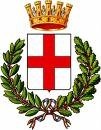

My 20th great-grandmother was the ancestor of many famous people:
The PEDIGREE of
Bonacossa (Bonacosta) BORRI
Born: abt. 1249 Died: 1321
HM George I’s 9-Great Grandmother. HRE Ferdinand I’s 6-Great Grandmother. U.S. President’s 18-Great Grandmother. PM Churchill’s 19-Great Grandmother. HM Margrethe II’s 17-Great Grandmother. Gen. Pierpont Hamilton’s 19-Great Grandmother. Otto von Bismarck’s 15-Great Grandmother. Red Baron' Richthofen's 16-Great Grandmother.the Great’ VISCONTI
Husband/Partner: Matteo I
Children: Stefano (di) VISCONTI ; Galeazzo I VISCONTI
She and several members of her family are buried in Milan in a chapel. This would be a very special grave to visit.
Bonacossa Borri (1254 – 1321)
is my 20th great grandmother
Stefan Visconti (1289 – 1327)
son of Bonacossa Borri
Bernabo Lord Milan di Visconti (1319 – 1385)
son of Stefan Visconti
Veridis Duchess Austria Visconti (1352 – 1414)
daughter of Bernabo Lord Milan di Visconti
Ernst I “Ironside” Archduke of Austria Habsburg (1377 – 1424)
son of Veridis Duchess Austria Visconti
Katharina Archduchess Austria Von Habsburg (1420 – 1493)
daughter of Ernst I “Ironside” Archduke of Austria Habsburg
Christof I VanBaden (1453 – 1527)
son of Katharina Archduchess Austria Von Habsburg
Beatrix Zahringen (1492 – 1535)
daughter of Christof I VanBaden
Sabine Grafin VonSimmern (1528 – 1578)
daughter of Beatrix Zahringen
Marie L Egmond (1564 – 1584)
daughter of Sabine Grafin VonSimmern
Richard Sears (1590 – 1676)
son of Marie L Egmond
Silas Sears (1638 – 1697)
son of Richard Sears
Silas Sears (1661 – 1732)
son of Silas Sears
Sarah Sears (1697 – 1785)
daughter of Silas Sears
Sarah Hamblin (1721 – 1814)
daughter of Sarah Sears
Mercy Hazen (1747 – 1819)
daughter of Sarah Hamblin
Martha Mead (1784 – 1860)
daughter of Mercy Hazen
Abner Morse (1808 – 1838)
son of Martha Mead
Daniel Rowland Morse (1838 – 1910)
son of Abner Morse
Jason A Morse (1862 – 1932)
son of Daniel Rowland Morse
Ernest Abner Morse (1890 – 1965)
son of Jason A Morse
Richard Arden Morse (1920 – 2004)
son of Ernest Abner Morse
Pamela Morse
I am the daughter of Richard Arden Morse
Bonacossa Borri, also known as Bonaca, or Bonaccossi Bonacosta (1254–1321), was Lady of Milan by marriage from 1269 to 1321.
Biography
Bonacossa was the daughter of Squarcina Borri (1230–1277, also called Scarsini), captain of exiles from Milan fom the advent of the Torriani family, and a loyal supporter of the Visconti, and Antonia (1236 -?), of unknown lineage, who married in 1254. Borri’s family, originally from the town of Santo Stefano Ticino together with some feudal lands of nearby Corby. The Borri family was one of the most respected of Milan, and counted among its ranks a saint, Monas of Milan, Bishop of Milan.
Once the Visconti had conquered Milan, Squarcina Borri gave his daughter in marriage to Matteo I Visconti, Lord of Milan in 1269 to cement those bonds essential to maintaining the rule of the Visconti.
Bonacossa and her husband co-founded of the chapel of St. Thomas in the Basilica of Sant’Eustorgio of Milan, where they were buried, along with their son Stefano and his two daughters Beatrice and Catherine, and the brother of Matteo, Uberto III Visconti.
She died in Milan on 13 January 1321 .
Descendents
Galeazzo I Lord of Milan. He married Beatrice d’Es
Beatrice (b. 1280)
Caterina (b. 1282)
Luchino (b. 1285) Lord of Milan, married Violante di Saluzzo
Stefano (b. 1287) Count of Arona , married Valentina Doria
Marco (b. 1289)
Giovanni (b. 1291), Archbishop of Milan
Zaccaria (b. 1295)
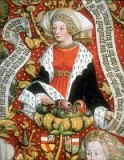
Gertrude of Austria
My 24th great-grandmother died at age 30 after she had 4 children.
Gertrude of Babenberg (c. 1118 – 8 April 1150) was the first wife of Vladislaus II of Bohemia and the Duchess of Bohemia. She was the daughter of count Leopold III, Margrave of Austria and his wife Agnes of Germany.
Gertrude married Duke of Bohemia in 1140. Through her mother, she was half-sister of Conrad III of Germany, so she was a good catch for Vladislaus. In the time of siege of Prague by Conrad II of Znojmo (1142) she successfully defended Prague Castle, together with her brother-in-law Děpolt, while Vladislaus asked Conrad III of Germany for help.
She was took share in Vladislaus founding activity and thanks to her the duke invited to Czech lands new religious orders. She gave birth to four children and died in 1150, at the age of 30.
Issue
Frederick, Duke of Bohemia
Svatopluk, married a daughter of Geza II of Hungary
Vojtech, archbishop of Salzburg as Adalbert III
Agnes (died 7 June 1228), abbess of St George of Prague
Literature
ŽEMLIČKA, J. Čechy v době knížecí 1034–1198. Praha : NLN, 2002. 660 p. ISBN 80-7106-196-4.
Gertrud Austria (1119 – 1150)
is my 24th great grandmother
Fredrich Bohemia (1141 – 1189)
son of Gertrud Austria
Lidmila Bohemia (1170 – 1240)
daughter of Fredrich Bohemia
OTTO II Wittelsbach of Bavaria (1206 – 1253)
son of Lidmila Bohemia
Elisabeth Wittelsbach Duchess Bavaria (1227 – 1273)
daughter of OTTO II Wittelsbach of Bavaria
Consort Elisabeth the Romans Carinthia (1263 – 1313)
daughter of Elisabeth Wittelsbach Duchess Bavaria
Albrecht Albert II ‘The Wise’ Duke of Austria Habsburg (1298 – 1358)
son of Consort Elisabeth the Romans Carinthia
Leopold III “Duke of Austria” Habsburg (1351 – 1386)
son of Albrecht Albert II ‘The Wise’ Duke of Austria Habsburg
Ernst I “Ironside” Archduke of Austria Habsburg (1377 – 1424)
son of Leopold III “Duke of Austria” Habsburg
Katharina Archduchess Austria Von Habsburg (1420 – 1493)
daughter of Ernst I “Ironside” Archduke of Austria Habsburg
Christof I VanBaden (1453 – 1527)
son of Katharina Archduchess Austria Von Habsburg
Beatrix Zahringen (1492 – 1535)
daughter of Christof I VanBaden
Sabine Grafin VonSimmern (1528 – 1578)
daughter of Beatrix Zahringen
Marie L Egmond (1564 – 1584)
daughter of Sabine Grafin VonSimmern
Richard Sears (1590 – 1676)
son of Marie L Egmond
Silas Sears (1638 – 1697)
son of Richard Sears
Silas Sears (1661 – 1732)
son of Silas Sears
Sarah Sears (1697 – 1785)
daughter of Silas Sears
Sarah Hamblin (1721 – 1814)
daughter of Sarah Sears
Mercy Hazen (1747 – 1819)
daughter of Sarah Hamblin
Martha Mead (1784 – 1860)
daughter of Mercy Hazen
Abner Morse (1808 – 1838)
son of Martha Mead
Daniel Rowland Morse (1838 – 1910)
son of Abner Morse
Jason A Morse (1862 – 1932)
son of Daniel Rowland Morse
Ernest Abner Morse (1890 – 1965)
son of Jason A Morse
Richard Arden Morse (1920 – 2004)
son of Ernest Abner Morse
Pamela Morse
I am the daughter of Richard Arden Morse

Empress Irini Augusta Dukaina Dukas
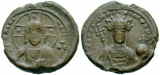
Empress Irini Augusta Dukaina Dukas’ seal
My 29th great-grandmother was married when she was 11 years old. By this marriage she became Empress Mother of the Byzantine Empire. Her daughter Anna recorded history, perhaps revisionist. Empress Irini is an ancestor of Ann Dudley Bradstreet, another woman who recorded history and wrote poetry. I have noticed that Mistress Bradstreet has the most impressive pedigree of important powerful women. This one, like many other royals who are embroiled in political intrigue, landed in a convent under mild house arrest at the end of her life.
Irene Doukaina or Ducaena (Greek: Ειρήνη Δούκαινα, Eirēnē Doukaina) (c. 1066 – February 19, 1123 or 1133) was the wife of the Byzantine emperor Alexios I Komnenos, and the mother of the emperor John II Komnenos and of the historian Anna Komnene.
Empress Irini Augusta Dukaina Dukas (1066 – 1133)
is my 29th great grandmother
Theodora Comnena (1096 – 1116)
daughter of Empress Irini Augusta Dukaina Dukas
Andronikos Dukas Angelos (1122 – 1185)
son of Theodora Comnena
Alexios Emperor Byzantine Empire (1153 – 1204)
son of Andronikos Dukas Angelos
Empress Anna Komnene Angelina Nicaea (1176 – 1212)
daughter of Alexios Emperor Byzantine Empire
MARIA Laskarina (1206 – 1270)
daughter of Empress Anna Komnene Angelina Nicaea
King of Hungary Stephen V (1240 – 1277)
son of MARIA Laskarina
Marie DeHungary (1257 – 1323)
daughter of King of Hungary Stephen V
Marguerite Sicily Naples (1273 – 1299)
daughter of Marie DeHungary
Jeanne DeVALOIS (1294 – 1342)
daughter of Marguerite Sicily Naples
Philippa deHainault (1311 – 1369)
daughter of Jeanne DeVALOIS
John of Gaunt – Duke of Lancaster – Plantagenet (1340 – 1399)
son of Philippa deHainault
Philippa Plantagenet (1370 – 1415)
daughter of John of Gaunt – Duke of Lancaster – Plantagenet
Beatrix DePinto (1403 – 1447)
daughter of Philippa Plantagenet
John Fettiplace (1427 – 1464)
son of Beatrix DePinto
Richard Fettiplace (1460 – 1511)
son of John Fettiplace
Anne Fettiplace (1496 – 1567)
daughter of Richard Fettiplace
Mary Purefoy (1533 – 1579)
daughter of Anne Fettiplace
Susanna Thorne (1559 – 1586)
daughter of Mary Purefoy
Gov Thomas Dudley (1576 – 1653)
son of Susanna Thorne
Anne Dudley (1612 – 1672)
daughter of Gov Thomas Dudley
John Bradstreet (1652 – 1718)
son of Anne Dudley
Mercy Bradstreet (1689 – 1725)
daughter of John Bradstreet
Caleb Hazen (1720 – 1777)
son of Mercy Bradstreet
Mercy Hazen (1747 – 1819)
daughter of Caleb Hazen
Martha Mead (1784 – 1860)
daughter of Mercy Hazen
Abner Morse (1808 – 1838)
son of Martha Mead
Daniel Rowland Morse (1838 – 1910)
son of Abner Morse
Jason A Morse (1862 – 1932)
son of Daniel Rowland Morse
Ernest Abner Morse (1890 – 1965)
son of Jason A Morse
Richard Arden Morse (1920 – 2004)
son of Ernest Abner Morse
Pamela Morse
I am the daughter of Richard Arden Morse
Succession of Alexios and Irene
Irene was born in 1066 to Andronikos Doukas and Maria of Bulgaria, granddaughter of Ivan Vladislav of Bulgaria. Andronikos was a nephew of Emperor Constantine X and a cousin of Michael VII.
Irene married Alexios in 1078, when she was still eleven years old. For this reason the Doukas family supported Alexios in 1081, when a struggle for the throne erupted after the abdication of Nikephoros III Botaneiates. Alexios’ mother, Anna Dalassene, a lifelong enemy of the Doukas family, pressured her son to divorce the young Irene and marry Maria of Alania, the former wife of both Michael VII and Nikephoros III. Irene was in fact barred from the coronation ceremony, but the Doukas family convinced the Patriarch of Constantinople, Kosmas I, to crown her as well, which he did one week later. Anna Dalassene consented to this but forced Kosmas to resign immediately afterwards; he was succeeded by Eustratios Garidas.
Alexios’ mother Anna continued to live in the imperial palace and to meddle in in her son’s affairs until her death 20 years later; Maria of Alania may have also lived in the palace, and there were rumours that Alexios carried on an affair with her. Anna Komnene vociferously denied this, although she herself was not born until December 1, 1083, two years later.
Character
Anna may have been whitewashing her family history; she has nothing but praise for both of her parents. She describes her mother in great detail:
“She stood upright like some young sapling, erect and evergreen, all her limbs and the other parts of her body absolutely symmetrical and in harmony one with another. With her lovely appearance and charming voice she never ceased to fascinate all who saw and heard her. Her face shone with the soft light of the moon; it was not the completely round face of an Assyrian woman, nor long, like the face of a Scyth, but just slightly oval in shape. There were rose blossoms on her cheeks, visible a long way off. Her light-blue eyes were both gay and stern: their charm and beauty attracted, but the fear they caused so dazzled the bystander that he could neither look nor turn away…Generally she accompanied her words with graceful gestures, her hands bare to the wrists, and you would say it was ivory turned by some craftsman into the form of fingers and hand. The pupils of her eyes, with the brilliant blue of deep waves, recalled a calm, still sea, while the white surrounding them shone by contrast, so that the whole eye acquired a peculiar lustre and a charm which was inexpressible.”
It “would not have been so very inappropriate,” Anna writes, to say that Irene was “Athena made manifest to the human race, or that she had descended suddenly from the sky in some heavenly glory and unapproachable splendour.”
Irene was shy and preferred not to appear in public, although she was forceful and severe when acting officially as empress (basileia). She preferred to perform her household duties, and enjoyed reading hagiographic literature and making charitable donations to monks and beggars. Although Alexios may have had Maria as a mistress early in his reign, during the later part of his reign he and Irene were genuinely in love (at least according to their daughter Anna). Irene often accompanied him on his expeditions, including the expedition against Prince Bohemund I of Antioch in 1107 and to the Chersonese in 1112. On these campaigns she acted as a nurse for her husband when he was afflicted with gout in his feet. According to Anna she also acted as a sort of guard, as there were constant conspiracies against Alexios. Alexios’ insistence that Irene accompany him on campaigns may suggest that he did not fully trust her enough to leave her in the capital. When she did remain behind in Constantinople, she acted as regent, together with Nikephoros Bryennios, Anna’s husband, as a counselor.
Death of Alexios
Irene frequently suggested that Alexios name Nikephoros and Anna as his heirs, over their own younger son John. According to Niketas Choniates, who depicts her more as a nagging shrew than a loving wife, she “…threw her full influence on the side of her daughter Anna and lost no opportunity to calumniate their son John… mocking him as rash, pleasure-loving, and weak in character.” Alexios, preferring to create a stable dynasty through his own son, either ignored her, pretended to be busy with other matters, or, at last, lost his temper and chastized her for suggesting such things.
Irene nursed Alexios on his deathbed on 1118, while at the same time still scheming to have Nikephoros and Anna succeed him. Alexios had already promised the throne to John, and when John took his father’s signet ring Irene accused him of treachery and theft. When Alexios finally died, she felt genuine grief, and wore the mourning clothes of her daughter Eudokia, whose own husband had died previously. However, she soon conspired with Anna against John, but their plots were unsuccessful and both Irene and Anna were then forced into exile at the monastery of Kecharitomene, which Irene had founded a few years previously. It was not a harsh exile, and Irene lived there in peace, distributing food to the poor and educating young orphan girls. Irene may have inspired the history written by her son-in-law Nikephoros Bryennios and corresponded with or patronized several important literary figures, including Theophylact of Ohrid and Michael Italikos.
In Literature
The great modern Greek poet Constantine Cavafy includes a reference to Irene Doukaina in his poem “A Byzantine Nobleman in Exile Composing Verses”, which refers to Doukaina “that viper Irini Doukaina” and that as the cause of the titular nobleman’s exile, “may she be cursed”. It is a clear reference to her reputation as a plotter.
Children
Irene died on February 19, in either 1123 or 1133, most likely the latter. With Alexios I Komnenos she had nine children:
Anna Komnene (1083–1153)
Maria Komnene
John II Komnenos (1087–1143)
Andronikos Komnenos
Isaac Komnenos
Eudokia Komnene
Theodora Komnene, who married Constantine Angelos. Among their children were John Doukas (who took his grandmother’s surname) and Andronikos Angelos, father of the emperors Alexios III Angelos and Isaac II Angelos.
Manuel Komnenos
Zoe Komnene
Sources
The Oxford Dictionary of Byzantium, Oxford University Press, 1991.
Anna Comnena, The Alexiad, trans. E.R.A. Sewter. Penguin Books, 1969.
Nicetas Choniates, O City of Byzantium: Annals of Niketas Choniates, trans. Harry J. Magoulias. Wayne State University Press, 1984.
Georgina Buckler, Anna Comnena: A Study. Oxford University Press, 1929.
Thalia Goumia-Peterson, “Gender and Power: Passages to the Maternal in Anna Komnene’s Alexiad “, in Anna Komnene and Her Times, ed. Thalia Goumia-Peterson. Garland Publishing, 2000.
Warren Treadgold, A History of the Byzantine State and Society. Stanford University Press, 1997.
Royal titles
Preceded by
Maria of Alania
Byzantine Empress consort
1081–1118
Succeed ed by
Piroska of Hungary
Empress-Mother of the Byzantine Empire
1118–February 19, 1133
Shared title with Piroska of Hungary from 1122 until 1133.
 mermaidcamp