mermaidcamp
Keeping current in wellness, in and out of the water
You can scroll the shelf using ← and → keys
You can scroll the shelf using ← and → keys
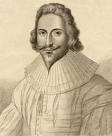
Roger La Zouche
Roger la Zusche, for his fidelity to King John, had a grant from that monarch of the manors of Petersfield and Maple Durham, co. Southampton, part of the lands of Geoffrey de Mandeville, one of the rebellious barons then in arms. In the next reign he was Sheriff of Devonshire, and had further grants from the crown. Roger la Zouche, Sheriff of Devonshire, between 1228 and 1231,was a younger son of Alan la Zouche and Alice de Belmeis. He was born circa 1182 in Ashby, Leicestershire, England. He was the heir of his brother William in 1199. He married Margaret (?) before 1203. He was a witness to Henry III’s confirmation of the Magna Charta. He died before 14 May 1238. The Roger la Zouche family manor, built in the 12th century, was converted into Ashby de la Zouche Castle in 1447 by Lord William Hastings.
Roger la Zouche [elder brother William dsp 1199], of Ashby-de-la-Zouche, Leics; served in Poitou, possibly under Geoffrey (died 1205), an illegitimate son of King John who held the homour of Perche and led an expedition of mercenaries to France in 1205, and again in 1214, though under some other leader; served in Ireland 1210; took an oath to uphold the baronial enforcement of Magna Carta 1215 but witnessed a charter issued by John 1216, hence had presumably switched support to the King by then; benefited from substantial land grants in Cambs, Devon, Hants and Norfolk at John’s and Henry III’s hands; Sheriff of Devon 1228-31; a witness to Henry III’s confirmation of Magna Carta Jan 1236/7; married Margaret (died in or after 1220 or even as late as 1232 or after) and died by 14 May 1238. [Burke’s Peerage]
Roger la Zusche who, for his fidelity to King John, had a grant from that monarch of the manors of Petersfield and Maple Durham, co. Southampton, part of the lands of Geffrey de Mandeville, one of the rebellious barons then in arms. In the next reign he was sheriff of Devonshire and had further grants from the crown. By Margaret, his wife, he had issue, Alan, his successor, and William, who left an only dau., Joice, who m. Robert Mortimer, of Richard’s Castle, and had issue, Hugh Mortimer, summoned to parliament as Lord Mortimer, of Richard’s Castle; and William Mortimer, who assumed the surname of Zouche, and was summoned to parliament as Lord Zouche, of Mortimer. He was s. by his elder son, Sir Alan la Zouche. [Sir Bernard Burke, Dormant, Abeyant, Forfeited, and Extinct Peerages, Burke’s Peerage, Ltd., London, 1883, p. 598, Zouche, Baron Zouche, of Ashby, co. Leicester]—————–Ancestral Roots, p. 43, younger son (of Alan Ceoche of La Coche), heir to brother William 1199, sheriff of Devonshire 1228-31, a witness to Henry III’s confirmation of the Magna Carta, d. shortly before 14 May 1238. Browning, p. 308, lists him as son of Roger, son of Alain IV, Viscount de Rohan, Count of Brittany and Mabilla, dau. of Raoul II, Lord of Fourgeres.————————————————————————– ———–ROGER LA ZOUCHE, brother and heir, paid £100 to have William’s lands in 1199. Those in England were seized, before 1204, while he was in Brittany, because of the war in Normandy, and he proffered 100m. to regain possession of them in that year. He served in Poitou, 1204-05 and 1214; was in Ireland, 1210; and swore to support the Barons who were enforcing Magna Carta in 1215. However, he soon joined the King, for he witnessed a royal charter, 11 June 1216, and was rewarded, both at the end of John’s reign and during the opening years of Henry III, with numerous grants of land. He had licence to go on pilgrimage to Santiago, 6 August 1220; was given money as a royal messenger, October 1224; was going to Brittany, with the King’s leave, May 1228; Sheriff of Devon, 10 November 1228-April 1231. In May 1229 he, with Philip Daubeney and Godfrey de Crawcombe, was allowed 100m. to cover the costs of a mission across the seas for the King. He served in Brittany, 1230; was ordered to find one knight at the King’s cost to aid the Duke of Brittany, 1234; and was among those who witnessed Henry III’s confirmation of Magna Carta at Westminster, 28 January 1236/7. He married Margaret, who was living in 1220 and presumably 1232. He died shortly before 14 May 1238. [Complete Peerage XII/2:931-2, (transcribed by Dave Utzinger)]
Roger Devonshire La Zouche (1175 – 1238)
is my 20th great grandfather
Sir Knight Alan II Knight Baron of Ashby Constable of the Tower of London de la Zouche (1205 – 1270)
son of Roger Devonshire La Zouche
Eudo LaZouche (1245 – 1279)
son of Sir Knight Alan II Knight Baron of Ashby Constable of the Tower of London de la Zouche
Elizabeth La Zouche (1274 – 1297)
daughter of Eudo LaZouche
Nicholas Poyntz (1303 – 1376)
son of Elizabeth La Zouche
Nicholas Poyntz (1355 – 1372)
son of Nicholas Poyntz
Pontius Poyntz (1372 – 1393)
son of Nicholas Poyntz
John Poyntz (1412 – 1447)
son of Pontius Poyntz
William Poyntz (1455 – 1494)
son of John Poyntz
Thomas Poyntz (1480 – 1562)
son of William Poyntz
Lady Susanna Elizabeth Poyntz (1528 – 1613)
daughter of Thomas Poyntz
Elizabeth Saltonstall (1557 – 1621)
daughter of Lady Susanna Elizabeth Poyntz
Henry Wyche (1604 – 1678)
son of Elizabeth Saltonstall
Henry Wyche (1648 – 1714)
son of Henry Wyche
George Wyche (1685 – 1757)
son of Henry Wyche
Peter Wyche (1712 – 1757)
son of George Wyche
Drury Wyche (1741 – 1784)
son of Peter Wyche
Mary Polly Wyche (1774 – 1852)
daughter of Drury Wyche
John Samuel Taylor (1798 – 1873)
son of Mary Polly Wyche
William Ellison Taylor (1839 – 1918)
son of John Samuel Taylor
George Harvey Taylor (1884 – 1941)
son of William Ellison Taylor
Ruby Lee Taylor (1922 – 2008)
daughter of George Harvey Taylor
Pamela Morse
I am the daughter of Ruby Lee Taylor
Baron Zouche is a title that has been created three times in thePeerage of England. The de la Zouche family descended from Alan de la Zouche, sometimes called Alan de Porhoët and Alan la Coche (c. 1093-1150), a Breton who settled in England during the reign of Henry II. He was the son of Vicomte Geoffrey I de Porhoët and Hawisa of Brittany. He married Adeline (Alice) de Belmeis, daughter of Phillip de Belmeis and Maud la Meschine and died at North Molton in North Devon. He obtained Ashby in Leicestershire(called after him Ashby-de-la-Zouch) by his marriage. His son was Roger la Zouche (c. 1175 – bef. 14 May 1238). Roger La Zouche became the father of Alan la Zouche (1205–1270) and Eudo La Zouche. Alan was justice of Chester and justice ofIreland under Henry III of England. He was loyal to the king during the struggle with the barons, fought at the Battle of Lewesand helped to arrange the peace of Kenilworth. As the result of a quarrel over some lands with John de Warenne, 6th Earl of Surrey, he was seriously injured in Westminster Hall by the earl and his retainers, and died on 10 August 1270.Eudo La Zouche married Millicent de Cantilupe. Alan’s grandson, Alan la Zouche, was summoned to Parliament on 6 February 1299 as Baron la Zouche of Ashby. He was governor of Rockingham Castle and steward of Rockingham Forest. However, this barony fell into abeyance on his death in 1314. Another grandson of Alan de la Zouche was William la Zouche, Lord of Haryngworth, who wassummoned to Parliament as Baron Zouche, of Haryngworth, on 16 August 1308. His great-great-great-grandson, the fifth Baron, married Alice Seymour, 6th Baroness St Maur, and assumed this peerage in her right. Their son succeeded to both titles; his stepmother, Elizabeth St. John, was an aunt of the future Henry VII, a connection which proved useful to later members of the family. The seventh Baron was attainted in 1485 for loyalty to Richard III but was eventually restored to his title and a portion of his lands. On the death in 1625 of the eleventh and twelfth Baron, the peerages fell into abeyance between the latter’s daughters Hon. Elizabeth and Hon. Mary. However, in 1815 the Barony of Zouche was called out of abeyance in favour of Sir Cecil Bishopp, 8th Baronet, of Parham Park (see Bishopp baronets of Parham), who became the twelfth Baron Zouche. Through his mother he was a descendant of the aforementioned Hon. Elizabeth. The Barony of St Maur, however, remains in abeyance to this day. His two sons had died before him and on his death in 1828 he was succeeded in the Baronetcy by a cousin, while the Barony of Zouche once again fell into abeyance, this time between his two daughters Hon. Harriet Anne Curzon and Katherine Annabella, Lady Brooke-Pechell. His eldest son Lieutenant-Colonel Cecil Bisshopp had died in 1813 at age 30 at Ontario, Canada, from wounds received in action against the Americans in the War of 1812. The abeyance was terminated the following year in favour of Hon. Harriet Anne, who became the thirteenth Baroness. Known as Baroness de la Zouch, she was the wife of Hon. Robert Curzon, younger son of Assheton Curzon, 1st Viscount Curzon. Her son was the fourteenth Baron. On his death the title passed to his son, the fifteenth Baron, and then to the latter’s sister, the sixteenth Baroness. She never married and was succeeded by her second cousin, the seventeenth Baroness, the granddaughter of a younger son of the thirteenth Baroness. She was succeeded by her grandson, the eighteenth and (As of 2013) present Baron, who had already succeeded his father as 12th Baronet in 1944.Another grandchild of the original Alan de la Zouche, Joyce la Zouche, married Robert Mortimer of Richard’s Castle; one of their younger sons, William la Zouche, took the name of la Zouche and bought Ashby-de-la-Zouch from Alan in 1304, the latter to hold it until his death (1314). On 26 December 1323, he was created, by writ, Baron Zouche of Mortimer. This peerage became abeyant in 1406.Barons la Zouche of Ashby (1299)[edit]Alan la Zouche, 1st Baron la Zouche of Ashby (1267–1314) (abeyant 1314)Barons Zouche of Haryngworth (1308)[edit]Barons Zouche of Haryngworth:[1]William la Zouche, 1st Baron Zouche (18 or 21 December 1276– 11 or 12 March 1351)William la Zouche, 2nd Baron Zouche (c.25 December 1321 – 23 April 1382)William la Zouche, 3rd Baron Zouche (c. 1355 – 4 May 1396)William la Zouche, 4th Baron Zouche (c. 1373 – 3 November 1415)William la Zouche, 5th Baron Zouche (c. 1402 – 25 December 1462)William la Zouche, 6th Baron Zouche, 7th Baron St Maur (c. 1432 – 15 January 1468/9)John la Zouche, 7th Baron Zouche, 8th Baron St Maur (1459 – c. March 1525/6) (His attainder of 1485 was reversed in 1495)John la Zouche, 8th Baron Zouche, 9th Baron St Maur (c. 1486 – 10 August 1550)Richard la Zouche, 9th Baron Zouche, 10th Baron St Maur (c. 1510 – 22 July 1552)George la Zouche, 10th Baron Zouche, 11th Baron St Maur (c. 1526 – 19 June 1569)Edward la Zouche, 11th Baron Zouche, 12th Baron St Maur (6 June 1556 – 18 August 1625) (abeyant 1625)Cecil Bisshopp, 12th Baron Zouche (29 December 1752 – 11 November 1828) (abeyance terminated 1815; abeyant 1828)Harriet Anne Curzon (née Bisshopp), 13th Baroness Zouche (7 September 1787 – 15 May 1870) (abeyance terminated 1829)Robert Curzon, 14th Baron Zouche (16 March 1810 – 2 August 1873) son of 13th BaronessRobert Nathaniel Cecil George Curzon, 15th Baron Zouche (12 July 1851 – 31 July 1914) son of 14th BaronDarea Curzon, 16th Baroness Zouche (1860–1917) sister of 15th BaronMary Cecil Frankland, 17th Baroness Zouche (1875–1965) second cousin of 16th BaronessJames Assheton Frankland, 18th Baron Zouche and 12th Baronet (b. 1943) grandson of 17th BaronessThe heir apparent is the present holder’s son Hon. William Thomas Assheton Frankland (b. 1983).Barons Zouche of Mortimer (1323)[edit]William la Zouche, 1st Baron Zouche of Mortimer (d. 1337)Alan la Zouche, 2nd Baron Zouche of Mortimer (1317–1346)Hugh la Zouche, 3rd Baron Zouche of Mortimer (1338–1368)Robert la Zouche, 4th Baron Zouche of Mortimer (d. 1399)Joyce Burnell, 5th Baroness Zouche of Mortimer (d. 1406) (abeyant 1406)See also[edit]House of RohanBaron St MaurBishop baronets, of ParhamFrankland baronets, of ThirkelbyNotes[edit]Jump up^ Cokayne, George Edward (1910–1959). The Complete Peerage of England, Scotland, Ireland, Great Britain, and the United Kingdom. London: The St. Catherine Press.[page needed]References[edit]Leigh Rayment’s Peerage Pages [self-published source][better source needed]Burke’s Dormant and Extinct Peerages, London, 1883

Morse Monument This monument was erected to the memory of seven Puritans who emigrated from England to America in 1935-39. The front inscriptions are: John Mosse, Born 1604, settled at N. Haven, died 1707 at Wallingford Ct. Samuel Morse, born 1585, settled at Dedham 1636, died at Medfield 1654. Joseph Morse, settled at Ipswich where he died 1646. Anthony Morse, born at Marlborough Engl’d 1616, died at Newbury 1686. William Mors B. 1608, D. 1683 and Robert & Peter brothers, settled and d in N. J. Rear inscriptions: Elizth Morse wid. of Samuel D. June 26, 1654. Samuel Morse Col in Cromwell’s ARmy D. at the Eastward Sept. 24, 1688. John, D at Boston 1657. Daniel, D. at Sherborn JUne 5, 1688. Jeremiah, D in the Civil War in Eng. Joseph, D in Medfield 1653. Lt. Samuel who D. in Medf. Feb. 28, 1718, CPT. Joseph who D. in Sherboren Feb. 19, 1718 and Jeremiah who D. in Medf. February 19, 1716. Taken from The Morse Society Webmaster
Anthony Morse of Newbury, MA came from Marlborough, Wiltshire, England and settled in Newbury, Massachusetts in 1635. He and his brother, William Morse, registered as shoemakers. Anthony arrived in Boston with his brother William, on the “James” June 3, 1635 which sailed from Southampton on April 5, 1635. Anthony built a house about 1/2 mile south of the cemetery in what is now called Newbury old town. He was admitted as a Freeman May 25, 1636.
Anthony Morss (1606 – 1686)
is my 10th great grandfather
Robert Morse (1629 – 1677)
son of Anthony Morss
Joshua Morse (1669 – 1753)
son of Robert Morse
Joseph Morse (1692 – 1759)
son of Joshua Morse
Joseph Morse (1721 – 1776)
son of Joseph Morse
Joseph Morse III (1756 – 1835)
son of Joseph Morse
John Henry Morse (1775 – 1864)
son of Joseph Morse III
Abner Morse (1808 – 1838)
son of John Henry Morse
Daniel Rowland Morse (1838 – 1910)
son of Abner Morse
Jason A Morse (1862 – 1932)
son of Daniel Rowland Morse
Ernest Abner Morse (1890 – 1965)
son of Jason A Morse
Richard Arden Morse (1920 – 2004)
son of Ernest Abner Morse
Pamela Morse
I am the daughter of Richard Arden Morse
Last Will and Testament of Anthony Morse of Newbury, Mass I anthony Morss of Newbury in the name of god amen i being sensible of my own frality and mortality being of parfit memory due make this as my last will and testament commanding my sole to god that gave it and my body to the dust in hope of a joyful resurixition and as for my wourly good I dispose of as foloieth. I give and bequeth to my son Joshua Morse making him my lawful eaire all my housing and lands both upland and meddow with my freehould and privilidge in all comon land both upland and meddow alweais provided that it the town of Newbury dou divide any part of the comon lands that then the on half part of that land which belongeth to me which cometh by vartu of my freehould shall be the lawful inheritance of my son benieman (Benjamin)morse all so I geve to my son Joshua morse all my cattell an horsis and sheep, swuine and all my toules for the shumaking trade as allso my carte wheles dung pot plow harrow youkes chains houses forkes shovel spad grin stone yt as allso on father bed which he lieth on with a bouister and pillo and a pair of blinkets and covrlitt and tou pair of shetes scillet and to platars and a paringer and a drinking pot and tou spoons and the water pails and barils and tobes all these about named I geve to my son Joshua and his eaires of his own body begotten lawfully than then all aboue geven to my son Joshua shall Return to the Rest of my children upon the peayment on good peay to my sons widow besides waht estate she att any time brought to her husband she the said widdow shall enjoy the houl estate on half year before she shall surrenter – also I geve to my son Robard (Robert) Morse Eighteen pounds or his children to my son Peter Morse or children L3, to my son Anthony Morse children I geve L3 to my son Joseph Morses children I geve L12 to my son Benieman Morse or children I geve L12 to my dafter Thorlo or children L12 to my dafter Skickney or children I geve L12 to my dafter Newman children I geve L12 to my dafter Smith or children I geve L12 to my grandson Richard Thorlo I geve an sheep, to my grandson Robard Homes I giev fiev pounds allso I geve the Remainder of my housall which is not in partikelar geven to my son Joshua in the former part of this my will to all my children equally to be devided between them and my grand children hous parents are dead, namely anthonys children, Josephs children hanahs children, allso I dou by this my last will allow and geve loberty to mu son Joshua morse hou is my Eaire to make said and dispose of that land by the pine swamp which I had of Nenieman lacon of that pece of land by John Akisons hous if he see Resan so to do. also I du by this my will apoynt my son Joshua morse to be my sole esecutor to peay all debts and legacies by this will geven and to Rceve all debtes allso I dou apoynt my loving and crisian frinds Cap danil Pears and Tristram Coffin and thomas noyes to be oversers of this my last will also I dou apoynt my Exicutor to peay my son Robard and son peter within one yeare after my death on the the other to be peaid within three years the plas of peayment to be newbury my will is tyhat my son benieman shall have the on half of all comon lands when devided as above said in witness thereof I anthony morse have hereunto Set my hand and seall this 28th Aprell, 1680. Sinid selid and onid in the presense of us James Coffin Mary Brown that whereas I anthong Morse in this my will abou said have geven on half of all common lands if devided to my sonn benieman mors; my meaning iss that my sons benieman shall haev the on half of my proportion of lands when devided, but my sonn Joshua to haev all my Rights in the lower comon this is my mind and will as witnes my seall this 20 of aprell 1680. Anthony Morse (Seal) Witness to this part of my will James Coffin Mary Brown Joshua Morse is allowed Exer to this will. from – The Morse Genealogy, 1903-05 – Will is on file at Salem, Essex County, Massachusetts. From History of Newbury – Newbury MA Web site: The settlers of Newbury were much like those of what is now northern Essex county. They were not religious enthusiasts or pilgrims who fled from religious persecution in England. The were substantial, law abiding, loyal English tradesmen of that staunch middle class that was the backbone of England. Those that settled Newbury came at different times and on different ships between the end of April 1634 and July 1635. In one of the first ships arriving in 1645, was Thomas Parker, a minister who came along with a small company of settlers. They were first at Agawan (Ipswich) and later along with their countrymen, who came from Wiltshire England to Newbury. The first settlers came by water from Ipswich through Plum Island Sound and up the Quascacunquen River, which was later renamed the Parker River. There had been a few fisherman occupying the banks of the Merrimac and Parker rivers before this, but they were not permanent settlers. These settlers came to New bury in May or June of 1635. Ships from England began to arrive almost immediately with cattle and more settlers. Governor Winthrop in his history of New England under the date of June 3, 1635, records the arrival of two ships with Dutch cattle along with the ship James from Southampton bringing more settlers. Newbury was therefore begun as a stock raising enterprise and the settlers came to engage in that business and to establish homes for themselves. In total 15 ships came in June and one each in August, November and December, bringing still more families to the settlement. There is no record of how many families arrived in the first year. Houses were erected on both sides of the Parker River. The principal settlement was around the meeting house on the lower green. The first church in Newbury could not have been formed before June as some of those recorded at its formation are not recorded as having arrived until June. In the division of land, the first settlers recognized the scripture rule “to him that hath shall be given” and the wealth of each grantee can be estimated by the number of acres given him. The reason for establishing Newbury, as stated above, was not from fleeing religious persecutions, but to utilize vacant lands and to establish a profitable business for the members of a stock-raising company. When they arrived in Massachusetts, the settlers found that the state had established the Congregational form of religion. Everyone was taxed to support the Congregational Society and was commanded to attend worship at the meeting house. The Reverend Thomas Parker was a member of the stock raising company and was also the minister of the settlers. The outlying settlers had a long journey to the meeting house. The congregations were in danger of attacks from Indians and wild beasts on their way to and from worship. There was a constant dread of attack during the time of services and all able bodied inhabitants were required to bring their weapons to church. Sentinels were posted at the doors. In spite of the hardship and danger, the population steadily increased in number and gradually improved its worldly condition. Being cramped for room, the settlers moved up to the upper or training green. This was in order to get tillable land and engage in commercial pursuits. This movement began in 1642. Each had been allotted half an acre for a building lot on the lower green. On the upper green each was to have four acres for a house lot. Also on the upper green a new pond was artificially formed for watering cattle. The new town gradually extended along the Merrimac River to the mouth of the Artichoke River. It appears that all desirable land in this region was apportioned among the freeholders by October 1646. The land beyond was ordered to lie perpetually common. This tract of common land was a part of Newbury and what is now West Newbury. The Indian threat had disappeared as most of the Indians in the region had been exterminated by an epidemic. The first record of an Indian living in Newbury is in January 1644, when a lot was granted to “John Indian”. In 1639 Edward Rawson began the manufacture of gun powder in what was probably America’s first powder mill. Newbury had a trial for witchcraft thirteen years before the trials in Salem. In 1679 Elizabeth Morse, sister-in-law to our ancestor, Anthony, was accused. She was condemned three times to die, but was reprieved and spent her last years in her home at what is now Market square in Newburyport. The first American born silversmith was Jeremiah Dummer of Newbury, who apprenticed to John Hull, an Englishman. He practiced his trade at what is now Newburyport. Jeremiah was the father of Governor William Dummer the founder of Gov. Dummer Academy. Jeremiah’s brother-in-law John Coney, engraved the plates for the first paper money made in America. In 1686, when the upper Commons (West Newbury) were divided among the freeholders of the town of Newbury, Pipestave Hill was covered with a dense forest of oak and birch. These trees were cut and used to make staves for wine casks and molasses hogsheads. For many years, this industry, the first of its kind in American, flourished and the place is still called Pipestave Hill. Limestone was discovered in Newbury in 1697. Previous to this all the lime used for building was obtained from oyster and clam shells. Mortar made from this lime was very durable and came in time, to be almost as hard as granite. This business prospered for many years until a superior quality of lime was discovered elsewhere. The first toll bridge and shipyard in America were also in Newbury. The latter giving rise to the ship building industry, which was to determine the prosperity of Newburyport in the coming centuries. In West Newbury, in 1759, Enoch Noyes began making horn buttons and coarse combs of various kinds. This was the beginning of the comb making business in Newbury and other places. This business continued and grew, moving to Newburyport inn its later years, closing in 1934. Lt Gov. William Dummer, in his will of 1761 directing that a school house be erected on the most convenient part of his farm. In 1762, the first schoolhouse was erected, a low one story building about twenty feet square commencing its sessions in 1783, this is the oldest boarding school in America. In 1764, that part of Newbury, which had become the commercial center was divided off and made Newburyport. This action relegated Newbury to a rural and fishing community. Today Newbury is a quiet New England town, rich in heritage, the birthplace of many things American, not the least of which is an abiding reverence for our past. The Landing at Parker River from Ould Newbury – Historical and Biographical Sketches by John L. Currier *196 – Damrell and Upham, Boston, Mass. debthomas660debthomas660 originally shared this to Thomas/Jones Family Tree22 Aug 2009
My 11th great-grandfather was born in England in 1590, and died in Bridgewater, Massachusetts in 1667. He was active in service to the colony.
Descendants of John Peabody[From Ancestors and Anecdotes Genealogy Blog, posted 17 Jan 2007 by JEM]
JOHN1 PEABODY was born 1590 in St. Albans, Hertfordshire, England, and died 1667 in Bridgewater, Mass. He married ISABEL HARPER Bet. 1608 – 1638. She was born 1592 in St. Albans, England, and died Bet. 1624 – 1686. The name Peabody is said to have originated during the reign of Nero, when Queen Broadicia was located at Icena, Briton. This Brave Queen opposed the Romans in their invasion of the country and with her son Boadie, took refuge in the craggy heights of Wales. Among his Britain’s “Boadie” signified a man of great strength and Pea meant “hill or mountain”. Consequently the name Peabody was applied to a mountain man. This name became the name of a tribe and in some branches of the family, “Boadie” became anglicized to the name Mann and Pea into the well-known name of Hill.In later times the name was spelled in different ways; Pbodie,Paybody, and Peabody. One of the earliest settlers in America of this name was William Pabodie who was a member of Captain Miles Standish’s military company of Mass. in 1643. John Peabody was another early settler who was active colonist of the Bay State, serving as its ensign, captain and deputy to the general court. More About JOHN PEABODY:Came to America: 1635, Bridgewater, Mass Isabell married John Peabody in 1608 in Stafford Stafford England. (John Peabody was born in 1589-1590 in St Albans Hertfordshire England, christened about 1635 in St AlbansHertfordshire England, died in Apr 1667 in Bridgewater Plymouth MA and was buried on 27 Apr 1667 in Boston Suffolk MA.More
Note to Reader: This genealogical narrative is drawn from my many years of research on the Peabody family and related families. It is presented here, for what help it might be to other researchers, in the same format as it was first published on my website in about 1998. No effort has been made to update this material or to incorporate more recent genealogical discoveries published on Ancestry.com or elsewhere. The list of sources at the end may prove especially helpful. This narrative is archived at http://web.archive.org/web/20001018124830/www.pbdy.com/begin.html -Velton Peabody
JOHN PAYBODY1 was born about 1590 in England. He probably arrived in the Plymouth Colony in 1635 or 1636, for his name appears on the list of freemen of the colony dated March 7, 1636/37, and he was admitted and sworn with others whose names were on that list on Jan. 2, 1637/8. He married Isabel Harper, sister of Thomas Harper of London, England.John Peabody received a grant of 10 acres of land Jan. 1, 1637/8, “on Duxburrow side, lying betwixt the lands of William Tubs on the north side and those of Experience Mitchell on the south side, and from the sea in the west; and from Blew Fish River in the easte.” Another tract, granted him Nov. 2, 1640, was 30 acres “with meadow to it” at North River. He was a member of the jury that convicted three young Englishmen of the murder of an Indian on Sept. 4, 1638, and of the “Grand Inquest” at the court June 4, 1639. He was one of the sureties on a neighbor’s bond June 4, 1645.In 1645, John Paybody and his son, William, were among the original proprietors of Bridgewater, Mass. He was a witness with Thomas Winterton against Edward Richards when he was tried in court at Salem 4:9:1645, on a charge of making a false statement to them concerning shipboard killings. Richards was convicted and fined 10 shillings and ordered to acknowledge his sin before the congregation at Lynn.John’s will, dated July 16, 1649, at Duxbury, was proved Apr. 27, 1666/7 at Boston:“In and about the sixteenth of July in the yeare of our Lord 1649 I John Paybody of Duxbrook in the Collonie of New Plymoute planter being in prfect health and sound in memory God be blessed for it doe ordaine and make this my last Will and Testament In maner and forme as foloweth;“Imprimis I bequeath my soule to God that gave it hopeing to be saved by the Meritt of Christ my blessed Saviour and Redeemer; as for my worldly goods as followeth“Item I give and bequeath unto Thomas my eldest sonne one shilling“Item I give and bequeath unto ffrancis Paybody my second son one shilling.“Item I give and bequeath unto William Paybody my youngest son one shilling.“Item I give and bequeath unto Annis Rouse my daughter one shilling.“Item I give and bequeath unto John Rouse the son of John Rouse my lands att Carswell in Marshfield after my wifes decease;“Item I give unto John Pabodie the son of William my lott of Land att the new plantation,“Item I give and bequeath all the Rest of my goods that are my mine liveing and dead unto my wife Isabell Paybody whome I make my sole executrix of this my last Will and Testament; memorandum all these legasyes before sett downe are to yayed by William Paybody my youngest son when they shallbe demanded John PaybodyJohn ffernesyde Boston in New England the 27th of April, 1667“Mr John ffernesyde came before mee under written and deposed that by order of Paybody above written and mentioned: hee wrote what is above written and Read it to the said John Paybody on the day of the date thereof and declared the same to be his Last Will and that when hee soe did hee was of a sound disposing mind to his best knowlidg and alsoe subscribed his name thereunto John ffernesyde as a witness; As Attesteth Edward Rawson Recorder”Children, probably all born in England: i. Thomas,2 b. about 1612 #2 ii. Francis, b. about 1614#3 iii. William, b. 1619 iv. Annis or Annie, b. about 1620; m. Jan. 7, 1638/9, in Marshfield, John Rouse of Marshfield; John was a Quaker, he was a town officer in Marshfield in 1645; he d. Dec. 16, 1684, in Marshfield, and she d. before Sept. 12, 1688, when he will was proved; children: Mary Rouse, John Rouse, Simon Rouse, George Rouse, Elizabeth Rouse, Anna Rouse.Sources: Records and Files of the Quarterly Courts of Essex County, [Mass.], I, 1911; “Plymouth Colony Wills and Inventories,” Mayflower Descendant XVII:1 (January 1915); Justin Winsor, History of the Town of Duxbury, Massachusetts, 1849; Eugene Willard Montgomery, Willard Peabody Genealogy, 1915; Charles Henry Pope, Pioneers of Massachusetts, 1900; William Richard Cutter and William Frederick Adams, Genealogical and Personal Memoirs Relating to the Families of the State of Massachusetts, II, 1910; C.M. Endicott, Genealogy of the Peabody Family, 1867, revised and corrected by William S. Peabody with a partial record of the Rhode Island Branch by B. Frank Peabody, cited hereafter as Peabody Genealogy, 1867; Selim Hobart Peabody, Peabody (Paybody, Pabody, Pabodie) Genealogy, 1909, cited hereafter as Peabody Genealogy, 1909; Leon Clark Hills, History and Genealogy of the Mayflower Planters (Cape Cod Series), I, 1975 reprint of 1936 1941 ed.; Dorothy A. Sherman Lainson, John Paybodie (Peabody) English Immigrant to Plymouth Duxbury, 1635, 1972; Goldie Peabody Brownyard and Theodore Lucius Brownyard, Ancestors and Descendants of Charles Elmer Peabody, 1980; Richard Gentry, Gentry Family in America, 1909; Detroit Society for Genealogical Research Magazine XXX:3 (Spring 1967); Family History Library; William R. Marsh, Ancestors and Descendants of F.A. Marsh and Ivy Crites, 1990; Nahum Mitchell, History of the Early Settlement of Bridgewater, in Plymouth County, Massachusetts, 1840.
CaptainJohnPabodie
John Peabody and descendants
The PEABODY Family of St. Albans, Hertfordshire, Hampton, Rockingham, NH and Topsfield, Essex, MASend comments and corrections to anneb0704@yahoo.co.ukJOHN PAYBODY (d. by 1649) of St. Albans and Duxbury m. Isabel Harper|FRANCIS PEABODY (abt 1614 – 1698) of Hampton and Topsfield m. Lydia Unknown|WILLIAM PABODIE (c. 1620 – 1707) m. Elizabeth Alden|LYDIA PEABODY (bp. 1640 – 1715), wife of Thomas Howlett 2LYDIA PABODIE (1667 – 1748) m. Daniel Grinnell
History of the Town of Duxbury, Massachusetts with Genealogical Registers
Seventeenth Century Colonial Ancestors, Vol. I
Elizabeth (Alden) Pabodie and descendants
A genealogy of the Peabody family
John Capt Peabody Pabodie (1590 – 1667)
is my 11th great grandfather
Lieut Francis Peabody (1614 – 1697)
son of John Capt Peabody Pabodie
Lydia Peabody (1640 – 1715)
daughter of Lieut Francis Peabody
Mary Howlett (1664 – 1727)
daughter of Lydia Peabody
John Hazen (1687 – 1772)
son of Mary Howlett
Caleb Hazen (1720 – 1777)
son of John Hazen
Mercy Hazen (1747 – 1819)
daughter of Caleb Hazen
Martha Mead (1784 – 1860)
daughter of Mercy Hazen
Abner Morse (1808 – 1838)
son of Martha Mead
Daniel Rowland Morse (1838 – 1910)
son of Abner Morse
Jason A Morse (1862 – 1932)
son of Daniel Rowland Morse
Ernest Abner Morse (1890 – 1965)
son of Jason A Morse
Richard Arden Morse (1920 – 2004)
son of Ernest Abner Morse
Pamela Morse
I am the daughter of Richard Arden Morse
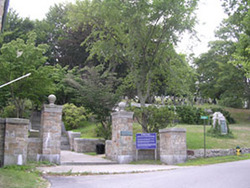
buried in Plymouth
My 13th great-grandmother arrived in Plymouth Colony in 1623 on the ship Ann. Her husband was a Mayflower Compact signer. She lived a long and, for her time, independent life. We know a lot about her:
A WOMAN OF VALOR : ELIZABETH WARREN OF PLYMOUTH COLONY by Peggy M. Baker
Director & Librarian, Pilgrim Society & Pilgrim Hall Museum
“A woman of valor, who can find? Far beyond pearls is her value… Give her the fruit of her hands, and she will be praised at the gates by her very own deeds.”
Proverbs 31:10
The “Pilgrim Mothers” are mysteries. These intrepid women of 17th century Plymouth Colony are known by their husbands and known by their children. Their own lives, however, are seen only in glimpses, pale images reflected off the activities of the families which revolved around them. The women themselves are almost invisible. While the court records of Plymouth Colony reveal much about the daily activities of the law-abiding men of the Colony, they tell us little about the women (except for those few women who broke the law). There was, in fact, no officially recognized role for the law-abiding married woman. The activities and contributions of those women, although vital to the survival and success of the Colony, are nowhere registered or officially acknowledged.
According to the accepted legal convention of the times, all married women, even those conducting business independently, were regarded as representatives of their husbands. Only widows could be legally recognized as agents in their own right. Very few widows availed themselves of the privileges and the responsibilities that such independent status would entail.
One Pilgrim woman, however, breaks through the patriarchal conventions of 17th century society. By the longevity of her widowhood and by the independence of her actions, Elizabeth Warren emerges from the collective category of “Pilgrim Mother” as a highly individual woman.
Elizabeth Warren appears full-grown on the shores of American history. Nothing is known of her English background, apart from her marriage to Richard Warren. Richard was one of the 102 passengers on the Mayflower, that sailed into Plymouth Harbor in December 1620.
Many of the Mayflower passengers traveled as families. Some families, however, with many young children or other family responsibilities, or those thought (in Pilgrim William Bradford’s words) “most unfit to bear the brunt of this hard adventure,” separated. The men sailed in 1620 and the women and children delayed their sailing, planning on joining their menfolk after the Colony was established. Richard Warren was among the men who sailed alone in 1620.
According to family tradition, Richard Warren brought with him on the Mayflower a particularly treasured (and very portable) family possession – a large linen damask napkin, woven in the Netherlands c.1600, now on display at Pilgrim Hall Museum in Plymouth, Massachusetts.
The napkin’s woven design forms horizontal bands. One band shows a series of symbols – maces encircled by laurel branches and flanked by winged cherubs — representing the city of Amsterdam, with the words “Amster Dam” appearing beneath each symbol. Another band shows the city with houses, churches and canal bridges. The harbor below has rows of small boats with festive figures that appear to be dancing among barrels and boxes on the near shore.
The Warren family was separated for three years. One small ship, the Fortune, arrived in Plymouth in 1621 carrying a number of “lusty young men, and many of them wild enough” to supplement the fledgling Colony’s manpower. It was not until 1623 that two ships, the Anne and the Little James, arrived in Plymouth carrying 80-some new immigrants to Plymouth Colony, including members of the separated families. Among them were Fear and Patience Brewster, the daughters of Mayflower passengers William and Mary Brewster, as well as Samuel Fuller’s wife Bridget. Francis Cooke, who had voyaged on the Mayflower with his teenage son John, was joined by his wife, Hester, and their three younger children Jane, Jacob and Hester. Richard Warren was reunited by his wife Elizabeth and the five Warren daughters, Mary, Anna, Sarah, Elizabeth and Abigail.
The Warrens joined in the life of the small but growing agricultural community : Richard would have played a role in public affairs and worked the fields. Elizabeth would have run the large household that included not only the immediate family but also their farm workers and hired help. On occasion, she would have joined Richard in the fields. The Warren home would have been small and modestly furnished.
Very little furniture survives from the early years of Plymouth Colony. Most pieces were simple and sturdy, suited to life in a frontier community. The Warren “joint stool,” so-named for its joined mortise-and-tenon construction, would have been used both as seating furniture and as a table. The Warren stool is now in the collections of Pilgrim Hall Museum.
Two sons were born to the Warrens after Elizabeth’s 1623 arrival in Plymouth Colony. Their birth dates are not recorded but evidence of their presence can be found in the “1627 Division of Cattle.”
In 1627, the Colony’s livestock, formerly held in common, was divided among the Colony’s residents. Every person living in Plymouth in 1627 was assigned to a “Lot,” generally arranged by family group, and the name of every resident was individually recorded in Plymouth Colony Records Volume I. Listed there we find not only Richard and Elizabeth and their five daughters, but also the names of their two young sons, Nathaniel and Joseph Warren.
Richard Warren died in 1628. Elizabeth, left a widow with 7 children (five young women, ranging from early teens to probably early twenties, and two small boys under the age of 5), never remarried. Elizabeth outlived her husband Richard by 45 years.
Unlike the majority of Plymouth Colony women, Elizabeth Warren’s name appears regularly in the records of Plymouth Colony during the long period of her widowhood. She appears first as paying the taxes owed by all heads of household. She appears next as executor of her husband’s estate.
Elizabeth then appears as one of the Plymouth Colony “Purchasers.” In 1626, 53 (male) citizens of Plymouth Colony agreed to underwrite some of the Colony’s debt in a complicated arrangement with its financial backers. Richard Warren was one of the original 1626 Purchasers. The list of the names of the Purchasers did not appear in the Plymouth Colony Records, however, until several years had passed. During that time, Richard Warren had died. In a startling break with tradition, the list of Purchasers does not contain the name of Richard Warren but, instead, “Elizabeth Warren, widow.” The Court felt it necessary to explain this unprecedented move, noting that Elizabeth was listed in Richard’s stead because Richard, “dying before he had performed the bargain, the said Elizabeth performed the same after his decease.”
In 1635, Elizabeth Warren appears in the Records of Plymouth Colony in a totally new role. No longer seen as acting to fulfill the obligations of her long-deceased husband Richard, Elizabeth now enters the recorded life of the Colony as a totally independent agent. We have not only a court case involving Elizabeth, we hear an echo of her actual words.
Elizabeth brought her servant Thomas Williams before the Court for “speaking profane & blasphemous speeches against the majesty of God.” In a disagreement between mistress and servant, Elizabeth Warren had exhorted Thomas Williams “to fear God and do his duty. He answered, he neither feared God, nor the devil.” Although Governor William Bradford advocated “bodily punishment,” the judgment of the Court was that a reproof was sufficient, Williams having “spoken in passion and distemper,” and making “humble acknowledgment of his offense.”
Elizabeth’s activities continue to be documented to an unusual extent in theRecords of Plymouth Colony. In the late 1630s, she appears in the Records deeding land from the Warren holdings in Plymouth’s Eel River Valley to her sons-in-law.
The Warren daughters had matured and married: Mary to Anne passenger Robert Bartlett, Anna to Thomas Little, Sarah to Mayflower passenger John Cooke, Elizabeth to Richard Church and Abigail to Anthony Snow. Relations within the large extended family seemed amicable.
In 1652, however, trouble suddenly loomed! Elizabeth’s deeds to her sons-in-law, deeds that had been executed 15 years previously, were challenged by persons unnamed. The Plymouth Colony Records report a petition brought by Elizabeth’s son-in-law Robert Bartlett asking for clarification of Elizabeth’s right to deed land because “sundry speeches have passed from some who pretend themselves to be the sole and right heirs unto the lands on which the said Robert Bartlett now liveth, at the Eel River, in the township of Plymouth, which he, the said Robert, had bestowed on him by his mother-in-law Mistress Elizabeth Warren.”
The Court decided, unequivocally, in Elizabeth’s favor, finding that she had the power to give the land, since she had been “by an order of Court bearing date March the 7th, 1637, and other acts of the Court before, invested into the state and condition of a Purchaser.”The Court once again ratified and confirmed her status as a Purchaser and specifically ruled that Elizabeth Warren had the right to dispose of her lands, including the gifts of land she had made to her sons-in-law. Even this clear-cut Court ruling was insufficient to settle the quarrel. And as the dispute continued, the identity of those “who pretend themselves to be the sole and right heirs” was revealed to be Elizabeth’s own son Nathaniel Warren and his grandmother-in-law Jane Collier.
Nathaniel, now married and in his mid-to-late 20s, claimed that he “hath right unto as heir unto the lands of Mr. Richard Warren, deceased.” The two sides in the quarrel agreed to submit the argument to arbitration, each choosing 2 members to sit on the 4-man arbitration panel. Elizabeth Warren chose William Bradford and Thomas Willett. Nathaniel Warren chose Thomas Prence and Myles Standish.
The arbitration panel came swiftly to its unanimous conclusion. Nathaniel Warren received an acknowledgment of his right to share in the Warren lands. The panel confirmed what had never seemed to be in doubt, namely that Nathaniel could continue to hold the land he currently possessed. Nathaniel was also granted 2/3 of the Warren “Purchase Lands” which had not as yet been assigned and possession, after Elizabeth’s death, of 3 acres of land near his current holdings.
The major finding of the arbitration panel, however, must have come as a severe shock to young Nathaniel! The expected outcome by law and by custom would certainly have favored Elizabeth’s son. But, far from vindicating his patriarchal claims, the panel issued a stunning and resounding confirmation of Elizabeth’s status as head of her household and of her authority to act as an independent agent. The panel not only found that she “shall enjoy all the rest of her lands and all of them to whom she hath already at any time heretofore disposed any part thereof by gift, sale or otherwise, or shall hereafter do the same, to them and their heirs for ever without any trouble or molestation” but severely rapped Nathaniel’s unfilial knuckles. The Court concluded by bidding Nathaniel to
forever cease all other or further claims, suits, questions, or any molestations or disturbance at any time hereafter concerning the premises, but that his said mother and all her children, or any other to whom she has any way disposed any lands or shall hereafter do the same, but that they may quietly and peaceably possess and enjoy the same.
Elizabeth Warren seems, indeed, to have quietly and peaceably enjoyed the remainder of her days. When she died in 1673, this remarkable woman received the unprecedented but well-earned tribute of a eulogy in the Records of Plymouth Colony
Mistress Elizabeth Warren, an aged widow, aged above 90 years, deceased on the second of October, 1673. Who, having lived a godly life, came to her grave as a shock of corn fully ripe.

layout of the plots
Elizabeth Jouatt Walker (1583 – 1673)
is my 13th great grandmother
Nathaniel Warren (1624 – 1667)
son of Elizabeth Jouatt Walker
Sarah Warren (1649 – 1692)
daughter of Nathaniel Warren
Elizabeth Blackwell (1662 – 1691)
daughter of Sarah Warren
Thomas Baynard (1678 – 1732)
son of Elizabeth Blackwell
Deborah Baynard (1720 – 1791)
daughter of Thomas Baynard
Mary Horney (1741 – 1775)
daughter of Deborah Baynard
Esther Harris (1764 – 1838)
daughter of Mary Horney
John H Wright (1803 – 1850)
son of Esther Harris
Mary Wright (1816 – 1873)
daughter of John H Wright
Emiline P Nicholls (1837 – )
daughter of Mary Wright
Harriet Peterson (1856 – 1933)
daughter of Emiline P Nicholls
Sarah Helena Byrne (1878 – 1962)
daughter of Harriet Peterson
Olga Fern Scott (1897 – 1968)
daughter of Sarah Helena Byrne
Richard Arden Morse (1920 – 2004)
son of Olga Fern Scott
Pamela Morse
I am the daughter of Richard Arden Morse
Richard & Elizabeth Warren appear often in the records of the 17th century:
Richard Warren : Mayflower passenger
“The names of those which came over first, in the year 1620, and were by the blessing of God the first beginners and in a sort the foundation of all the Plantations and Colonies in New England ; and their families … “Mr. Richard Warren, but his wife and children were left behind and came afterwards.”
William Bradford, Of Plymouth Plantation 1620-1647, ed.
Samuel Eliot Morison (New York : Knopf, 1991), p. 441-3.
It is possible that Elizabeth Warren and her daughters were also part of the original group that meant to travel to America. William Bradford notes that, when the Speedwell was determined to be unseaworthy,
“…it was resolved to dismiss her [the Speedwell] and part of the company, and proceed with the other ship [the Mayflower]. The which (though it was grievous and caused great discouragement) was put into execution. So after they had took out such provision as the other ship could well stow, and concluded both what number and what persons to send back, they made another sad parting; the one ship [the Speedwell] going back for London and the other [the Mayflower] was to proceed on her voyage. Those that went back were for the most part such as were willing so to do, either out of some discontent or fear they conceived of the ill success of the voyage, seeing so many crosses befall, and the year time so far spent. But others, in regard of their own weakness and charge of many young children were thought least useful and most unfit to bear the brunt of this hard adventure; unto which work of God, and judgment of their brethren, they were contented to submit.”
William Bradford, Of Plymouth Plantation 1620-1647, ed. Samuel Eliot Morison (New York : Knopf, 1991), p. 53.
Richard Warren : Signer of the Mayflower Compact
“I shall … begin with a combination made by them before they came ashore; being the first foundation of their government in this place. Occasioned partly by the discontented and mutinous speeches that some of the strangers amongst them had let fall from them in the ship: That when they came ashore they would use their own liberty, for none had power to command them, the patent they had being for Virginia and not for New England … And partly that such an act by them done, this their condition considered, might be as firm as any patent, and in some respects more sure. “The form was as followeth : IN THE NAME OF GOD, AMEN. We whose names are underwritten, the loyal subjects of our dread Sovereign Lord King James, by the Grace of God of Great Britain, France and Ireland King, Defender of the Faith, etc. Having undertaken, for the Glory of God and advancement of the Christian Faith and Honour of our King and Country, a Voyage to plant the First Colony in the Northern parts of Virginia, do by these presents solemnly and mutually in the presence of God and one of another, Covenant and Combine ourselves together into a Civil Body Politic, for our better ordering and preservation and furtherance of the ends aforesaid; and by virtue hereof to enact, constitute and frame such just and equal Laws, Ordinances, Acts, Constitutions and Offices, from time to time, as shall be thought most meet and convenient for the general good of the Colony, unto which we promise all due submission and obedience. In witness whereof we have hereunder subscribed our names at Cape Cod, the 11th of November, in the year of the reign of our Sovereign Lord King James, of England, France and Ireland the eighteenth, and of Scotland the fifty-fourth. Anno Domini 1620.”
William Bradford, Of Plymouth Plantation 1620-1647, ed. Samuel Eliot Morison (New York : Knopf, 1991), p. 75-76.
Richard Warren and the “First Encounter”
This story appears both in Mourt’s Relation, published in London in 1622, and (in a condensed version) in William Bradford’s Of Plymouth Plantation.
“Wednesday, the sixth of December [1620]. It was resolved our discoverers should set forth … So ten of our men were appointed who were of themselves willing to undertake it, to wit, Captain Standish, Master Carver, William Bradford, Edward Winslow, John Tilley, Edward Tilley, John Howland, and three of London, Richard Warren, Stephen Hopkins, and Edward Doten, and two of our seamen, John Alderton, and Thomas English. Of the ship’s company there went two of the master’s mates, Master Clarke and Master Coppin, the master gunner, and three sailors …
Mourt’s Relation, ed. Jordan D. Fiore (Plymouth, Mass. :
Plymouth Rock Foundation, 1985), p. 27-28.
” … the 6th of December [1620] they sent out their shallop again with ten of their principal men and some seamen, upon further discovery, intending to circulate that deep bay of Cape Cod. The weather was very cold and it froze so hard as the spray of the sea lighting on their coats, they were as if they had been glazed. Yet that night betimes they got down into the bottom of the bay, and as they drew near the shore they saw some ten or twelve Indians very busy about something. They landed about a league or two from them … they made themselves a barricado with logs and boughs as well as they could in the time, and set out their sentinel and betook them to rest, and saw the smoke of the fire the savages made that night. When morning was come they divided their company, some to coast along the shore in the boat, and the rest marched through the woods to see the land, if any fit place might be for their dwelling. They came also to the place where they saw the Indians the night before, and found they had been cutting up a great fish like a grampus …
“So they ranged up and down all that day, but found no people, nor any place they liked. When the sun grew low, they hasted out of the woods to meet with their shallop … of which they were very glad, for they had not seen each other all that day since the morning. So they made them a barricado as usually they did every night, with logs, stakes and thick pine boughs, the height of a man, leaving it open to leeward, partly to shelter them from the cold and wind (making their fire in the middle and lying round about it) and partly to defend them from any sudden assaults of the savages, if they should surround them; so being very weary, they betook them to rest. But about midnight they heard a hideous and great cry, and their sentinel called “Arm! arm!” So they bestirred them and stood to their arms and shot off a couple of muskets, and then the noise ceased. They concluded it was a company of wolves or such like wild beasts, for one of the seamen told them he had often heard such noise in Newfoundland.
“So they rested till about five of the clock in the morning; for the tide, and their purpose to go from thence, made them be stirring betimes. So after prayer they prepared for breakfast, and it being day dawning it was thought best to be carrying things down to the boat …
“But presently, all on the sudden, they heard a great and strange cry, which they knew to be the same voices they heard in the night, though they varied their notes; and one of their company being abroad came running in and cried, “Men, Indians! Indians!” And withal, their arrows came flying amongst them. Their men ran with all speed to recover their arms, as by the good providence of God they did. In the meantime, of those that were there ready, two muskets were discharged at them, and two more stood ready in the entrance of their rendezvous but were commanded not to shoot till they could take full aim at them. And the other two charged again with all speed, for there were only four had arms there, and defended the barricado, which was first assaulted. The cry of the Indians was dreadful, especially when they saw their men run out of the rendezvous toward the shallop to recover their arms, the Indians wheeling about upon them. But some running out with coats of mail on, and cutlasses in their hands, they soon got their arms and let fly amongst them and quickly stopped their violence …
“Thus it pleased God to vanquish their enemies and give them deliverance; and by his special providence so to dispose that not any one of them were either hurt or hit, though their arrows came close by them and on every side [of] them; and sundry of their coats, which hung up in the barricado, were shot through and through. Afterwards they gave God solemn thanks and praise for their deliverance, and gathered up a bundle of their arrows and sent them into England afterward by the master of the ship, and called that place the FIRST ENCOUNTER.”
William Bradford, Of Plymouth Plantation 1620-1647, ed. Samuel Eliot Morison (New York : Knopf, 1991), p. 68-72.
Richard Warren & the 1623 Division of Land
The 1623 Division of Land marked the end of the Pilgrims’ earlier system of land held in common by all. Governor Bradford explains it in this way: “And so assigned to every family a parcel of land, according to the proportion of their number, for that end, only for present use (but made no division for inheritance) and ranged all boys and youth under some family. This had very good success, for it made all hands very industrious, so as much more corn was planted than otherwise would have been by any means the Governor or any other could use, and saved him a great deal of trouble, and gave far better content. The women now went willingly into the field, and took their little ones with them to set corn; which before would allege weakness and inability; whom to have compelled would have been thought great tyranny and oppression.” William Bradford, Of Plymouth Plantation 1620-1647, ed.
Samuel Eliot Morison (New York : Knopf, 1991) p. 120
Plymouth Colony Records, Deeds, &c Vol. I 1627-1651 is the oldest record book of the Plymouth settlement. It begins with the 1623 Division of Land, recorded in the handwriting of Governor William Bradford. The lands of Richard Warren were among those designated as “their grounds which came first over in the May Floure, according as thier lotes were case” and are described in this way “these lye one the north side of the towne next adjoyning to their gardens which came in the Fortune.”
Richard Warren & the 1627 Division of Cattle
Plymouth Colony Records, Deeds, &c, Vol. I 1627-1651 also tells of the 1627 Division of Cattle:
“At a publique court held the 22th of May it was concluded by the whole Companie, that the cattell wch were the Companies, to wit, the Cowes & the Goates should be equally devided to all the psonts of the same company … & so the lotts fell as followeth, thirteene psonts being pportioned to one lot … ” “The ninth lot fell to Richard Warren & his companie Joyned with (2) him his wife Elizabeth Warren (3) Nathaniell Warren (4) Joseph Warren (5) Mary Warren (6) Anna Warren (7) Sara Warren (8) Elizabeth Warren (9) Abigall Warren (10) John Billington (11) George Sowle (12) Mary Sowle (13) Zakariah Sowle. To this lott fell one of the 4 black heyfers that came in the Jacob caled the smooth horned Heyfer and two shee goats.”
Richard Warren : a 1626 Purchaser
In 1621, King James I authorized the Council for New England to plant and govern land in this area. This Council granted the Peirce Patent, confirming the Pilgrims’ settlement and governance of Plymouth. Peirce and his associates, the merchant adventurers, were allotted 100 acres for each settler the Company transported. The Pilgrims had a contract with the Company stating all land and profits would accrue to the Company for 7 years at which time the assets would be divided among the shareholders. Most of the Pilgrims held some stock. The Pilgrims negotiated a more favorable contract with the Company in 1626. In 1627, 53 Plymouth freemen, known as “The Purchasers,” agreed to buy out the Company over a period of years. In turn, 12 “Undertakers” (8 from Plymouth and 4 from London) agreed to pay off Plymouth’s debts in return for trade benefits.
The list we have of the 1626 Purchasers comes from the Plymouth Colony Records (Vol. 2, p. 177). Because of some discrepancies in the names, it is usually assumed that the list was compiled several years after the actual agreement was negotiated. The Plymouth Colony Records do not list Richard Warren; instead “Elizabeth Warren, widdow” is listed even though Richard Warren was still living in 1626/1627.
Richard Warren : his death
“And seeing it hath pleased Him to give me [William Bradford] to see thirty years completed since these beginnings, and that the great works of His providence are to be observed, I have thought it not unworthy my pains to take a view of the decreasings and increasings of these persons and such changes as hath passed over them and theirs in this thirty years … “Mr. Richard Warren lived some four or five years and had his wife come over to him, by whom he had two sons before [he] died, and one of them is married and hath two children. So his increase is four. But he had five daughters more came over with his wife, who are all married and living, and have many children.”
William Bradford, Of Plymouth Plantation 1620-1647, ed.
Samuel Eliot Morison (New York : Knopf, 1991), p. 443-7.
“1628.
“This year died Mr. Richard Warren, who hath been mentioned before in this book, and was an useful instrument ; and during his life bore a deep share in the difficulties and troubles of the first settlement of the plantation of New Plimouth.”
Nathaniel Morton, New England’s Memorial
(Boston : John Usher, 1669)
Richard Warren’s burial site is unknown.
Elizabeth Warren in the Records of Plymouth Colony
1631 [a bequest in the will of Mary Ring] : “I give unto mrs Warren one woodden cupp with a foote as a token of my love.”
Mayflower Descendant, Vol. 1, p. 29-30.
1633 : “a misted [meerstead] that was granted formerly to Richard Warren, deceased, & forfeited by a late order, for want of building, the said misted was granted to Mr. Raph Fog & his heires forever, provided the said Raph w’thin twelve moneths build a dwelling howse upon the same, & allow the widow Warren so much for her fence remayning thereon …”
Plymouth Colony Records, Vol. 1, p. 18.
1633 : “According to an order in Court held the 2d of January, in the seaventh yeare of the raigne of o’r soveraigne lord, Charles, by the grace of God King of Engl., Scotl., France, & Irel., defendr of the faith, &c, the psons heere under menconed were rated for publike use … to be brought in by each pson as they are heere under written, rated in corne at vi [pence] bushell … Widow Warren … 12 s[hilling]s.”
Plymouth Colony Records, Vol. I, p. 9-10.
In 1634, she was also “rated” : “Widow Warren …. 9 [shillings].”
Plymouth Colony Records, Vol. 1, p. 26-27.
1633 [inventory] : “John. Thorp debtor to … To mrs Warren 01 10 08.”
Mayflower Descendant, Vol. 1, p. 160.
1635 : “At this Court, Thomas Williams, ye sarvant of widow Warren, was accused for speaking profane & blasphemous speeches against ye mauestie of God, which wer these : ther being some discention betweene him & his dame, shee, after other things, exhorted him to fear God & doe his duty ; he answered, he neither feared God, nor the divell ; this was proved by witneses, and confesed by himselfe. This, because ye Courte judged it to be spoken in passion & distemper, with reprove did let him pass, upon humble acknowledgmente of his offence ; though ye Gove’r would have had him punished wth bodly punishmente, as ye case seemed to require.”
Plymouth Colony Records, Vol. 1, p. 35.
1635 : “Thomas Clarke was plaintive against widow Warren, for taking a boat of his, which was lost in ye Eele River, wher she left it, by an extraordinary storme, in ye same place ; for which he demanded 15 [pounds] damage ; but ye jury aquite ye defendante, finding ye boat to be borowed, & laid in an ordinary place of saftie ; yet, for other considerations, they gave ye said Thomas Clarke 30 [shillings].”
Plymouth Colony Records, Vol. 1, p. 36.
1636/37 : “It is agreed upon, by the consent of the whole Court, that Elizabeth Warren, widdow, the relict of Mr. Richard Warren, deceased, shalbe entred, and stand, and bee purchaser instead of her said husband, as well because that (hee dying before he had pformed the said bargaine) the said Elizabeth pformed the same after his decease, as also for the establishing of the lotts of land given formly by her unto her sonnes in law, Richard Church, Robert Bartlett, and Thomas Little, in marriage with their wives, her daughters.”
Plymouth Colony Records, Vol. 1, p. 54.
1637 : “That Mrs Elizabeth Warren of the Eele River Widdow for and in consideracon of a Marriage already solempnized betwixt John Cooke the yeonger of the Rockey Noocke and Sarah her daughter doth acknowledge that shee hath given granted enfeoffed and confirmed unto the said John Cooke one lot of land lying at the Eele River containeing eighteene acrees or thereabouts and lying on the North side of Robert Bartletts lott formly also given the said Robert in Marriage w’th Mary another of the sd Mrs Warrens daughters …”
Plymouth Colony Records, Vol. 12, p. 27.
1637 : “whereas John Cooke hath a lott of land at the Eele River lying next to Robert Barlet containeing by estimacon eighteene acrees or thereabout given him by Mrs. Elizabeth Warren in marriage w’th his wyfe and Robte Bartlett hath a lott of land of like quantitie lying on the Duxborrow side … the said John Cooke & Robert Bartlett have exhcaunged the said lotts w’th eich other …”
Plymouth Colony Records, Vol. 12, p. 28.
1639 : “M’ris Elizabeth Warren Widdow for and in consideracon of a marriage already consummate betwixt Anthony Snow & Abigall her daughter Hath freely & absolutely given granted assigned & made over unto the said Anthony Snow All that her house scituate nere the place called Wellingsly (alis) Hobs Hole …”
Plymouth Colony Records, Vol. 12, p. 53.
1640 : “Richard Church, Robte Bartlett, Thomas Little, & Mrs Elizabeth Warren are graunted enlargement at the head of their lotts to the foote of the Pyne Hills, leaveing a way betwixt them and the Pyne Hills, for cattell & cart to passe by.”
Plymouth Colony Records, Vol. 1, p. 152.
1644 [from the will of Stephen Hopkins] : “I do bequeath by this my will to my sonn Giles Hopkins my great Bull w’ch is now in the hands of m’ris Warren Also I do give to Stephen Hopkins my sonn Giles his sonne twenty shillings in m’ris Warrens hands for the hire of the said Bull”
Mayflower Descendant, Vol. 2, p. 12.
1651 : “The Names of those that have Interest and proprieties in the Townes land att Punchkateesett over against Road Iland … Mistris Elizabeth Warren.”
Records of the Town of Plymouth, Vol. 1, p. 36
1652 : “petition was prefered by Robert Bartlet unto the Court holden att Plymouth the 7th of October, 1652, therin requesting that wheras sundry speeches have pased from som who pretend themselves to bee the sole and right heires unto the lands on which the said Robert Barlet now liveth, at the Eelriver, in the townshipp of Plymouth, which hee, the said Robert, had bestowed on him by his mother in law, Mis Elizabeth Warren, in marriage with her daughter … doe therby find that Mis Elizabeth Warren, who gave the said lands unto the said Robert and others in like condicion, had power soe to doe, as being by an order of Court bearing date March the 7th, 1637, and other actes of Court before, envested into the state and condicon of a purchaser, as in the said order is expressed ; the said Court doth by these presents, therefore, further ratify and confeirme the aforesaid actes of Court wherby the said Elizabeth Warren is declared to have right to despose of the aforsaid lands, approveing and allowing of the abovesaid gift of land unto the said Robert Barlet and others in like condicon with him, to bee called …”
Plymouth Colony Records, Vol. 3, p. 19.
1653 : “An Obligation appointed to bee recorded ;
“Wheras there hath been a Difference Depending betwixt Mis Elizabeth warren and her sonn Nathaniell Warren about certaine lands which the said Nathaniell conceiveth hee hath right unto as heire unto the lands of Mr Richard Warren Deceased ; These are therfore to Declare and certify unto the court by Mis Jane Collyare in the behalfe of her grandchild Sara the wife of the said Nathaniell Warren and an other petition formerly prefered to the court by Robert Bartlett sonn inlaw of the said Elizabeth wArren by each petitions the prties requesting Justice in the prmises ; the said Mis Elizabeth Warren and Mis Jane Collyare and Nathaniell Warren haveing agreed to refer the said Difference unto such of the bench as they have chosen ; viz Mis Elizabeth Warren hath chosen Mr William Bradford and captaine Willett and Mis Jane Collyare and Nathaniell Warren haveing Chosen Mr Thomas Prence and capt : Myles Standish and they the said Elizabeth Jane and Nathaniell Doe bind them selves heerby videlecett Elizabeth Warren in the summe of an hundred pounds and the said Jane Collyare and Nathaniell Warren in the summe of an hundred pounds to stand to whatsoever they shall Doe and finally Determine in the prmises or the Maior prte of them ; and incase they can not agree they are to chose a fift to bee Umpire in the case In Witnesse wherof they have heerunto sett theire hands The eleventh of June 1653.”
Mayflower Descendant, Vol. 2, p. 64.
1653 : “These are to signifye that upon a claime made by Nathaniell Warren as heire to the lands of Richard Warren late of Plymouth and by Reason alsoe of a petition prefered to the court held att Plymoth the seaventh of June 1653 by mis Jane Collyare in behalfe of her grandchild the wife of the said Nathaniell Warren conserning sundry passages and Discourses between her and mis Elizabeth Warren ye mother of the said Nathaniell Warren about the time of theire contract ; by which the said mis Collyare Did conceive her grandchild should by promise have been Invested and entersed in more lands then the said mis Warren Doth now acknowlidge By Reason wherof many great and sad Differences were like to arise between the prties abovsaid and the said mis Warren and her other children to whom shee had Desposed som prte of her lands to theire great Discontent if not undoeing ; The case was Refered by both prties ; videlecett the said Nathaniell Warren and mis Jane Collyare on the one prtie and mis Elizabeth Warren on the other prtie To Mr Willam Bradford Mr Thomas Prence captaine Myles Standish and captaine Thomas Willett as arbetrators chosen Indiffrently by them to end Deside Issue and finnally Determine all contraversies Differences and claimes about this matter that hath arisen or may for ever arise heerafter for which end the prties abovesaid were all and every of them bound in an assumsett of an hundred pounds apeece to stand to theire award which is as followeth
“first That the said Nathaniell Warren shall enjoy to him and his heires for ever all that land which hee is now possess of ; and moreover shall have two thirds of those lands called purchase lands as yett unlayed out ;
“2’condly And mis Warren shall enjoy that three acres of land bee it more or lesse lying neare to the lotts of Nathaniell Warren ; Dureing his life ; but after her Decease it shall come to Nathaniell Warren
“3’dly shee and her children (viz mis Warren aforsaid) shall quietly enjoy all the Rest of her lands and all of them to whom shee hath alreddy att any time heer(to)fore Desposed any prte therof by gift sale or otherwise or shall heerafter Doe the same To them and theire heires for ever without any trouble or molestacon ;
“4’ly Lastly the said Nathaniell Warren shall for ever cease all other or further claimes suites questions or any molestations or Disturbance att any time heerafter conserning the pr’mises ; but that his said mother and all her children or any other to whom shee hath any way Desposed any lands or shall heerafter Doe the same ; But that they may quietly and peacably posesse and enjoy the same they and theire heires for ever without any molestation from him and his att any time heerafter ; This Determination and award wee have signed under our hands The eleventh of June 1653.
Willam Bradford, Thomas Prence, Myles Standish, Thomas Willett.”
Mayflower Descendant, Vol. 3, p. 141-142.
1660 re the Purchasers of Dartmouth : “Att a generall meeting of the Purchasers att Plymouth the seaventh of march 1652 It was ordered and fully agreed unto and Concluded by the whole that all that Tract and tracts of lands lying from the Purchassers bounds on the west side of Acoughcusse to a river called Accusshaneck and three miles to the Eastwards of the same ; with all Ilands meddows woods waters rivers Creekes and all appurtenances therunto belonging Should bee given to those whose names are heerunder written Containing thirty four shares and was then given alloted Assigned and sett over to them by the whole to have and to hold to them and their heires and Assignes for ever ; to Devide and Dispose of the same as they should see good ; and they are to Satisfy the Indians for the Purchase therof and to beare all other Due Charges that shall any way arise about the same According to their severall proportions… mistris Warren, [et al.]…Wheras these Purchasers whoe by agreement of the whole had theire proportions of Purchase land falling unto them in the places above mencioned whoe by agreement had theire severall names entered into a list (together with some other old Comers) under the hand of the honored Gov’r : late Deceased they Did Desire that the list of theire Names might bee recorded ; but the above written originall list of Names and the agreement Could not bee found in some yeares ; soe that it was Judged lost These purchasers notwithstanding still Desiring that what was theire right might bee recorded ; wherupon order was given by the aforsaid Gov’r that it might bee Done …
“The names of those whoe by order of the Purchasers mett att Plymouth the seaventh Day of march 1652 whoe by Joyne consent and agreement of the said purchasers are to have theire prtes shares or proportions att the place or places commonly called and knowne by the names of Acushena alias acquessent which entereth in att the western end of Neckatay and to Coaksett alisa acoakius and places adjacent ; the bounds of which Tract fully to extend… The said Tract or tract[s] of Land soe bounded as abovesaid which is purchased of the Indians which were the right propriators therof ; as appeers by a Deed under theire hands with all the mershes meddows rivers waters woods Timbers ; and all other profitts privilidges emunities comodities and appurtenances belonging to the said Tract or Tracts above expressed or any prte or prcell therof to belonge unto the prties whose names are underwritten (whoe are in number thirty four whole prtes or shares and noe more) to them and their heires and assignes for ever …Mis Warren one whole share, [et al.]”
Mayflower Descendant, Vol. 4, p. 185-188.
1673 : “Mistris Elizabeth Warren, an aged widdow, aged above 90 yeares, deceased on the second of October, 1673, whoe, haveing lived a godly life, came to her grave as a shocke of corn fully ripe. Shee was honorably buried on the 24th of October aforsaid.” Plymouth Colony Records, Vol. 8, p. 35.


My 10th great-grandfather made the trip from England to America in 1639, establishing himself before sending for his wife and children. He was one of the first settlers in Barnstable, MA, where he and his wife are buried.
James Hamlin (Hamblen) was living in London, England, in 1623. He came to New England and settled in Barnstable, Massachusetts, where he was a proprietor. He was admitted a freeman March 1, 1641-1642 and was on the list of those able to bear arms in 1643. He was a town officer.
James arrived at Barnstable in 1639. (Source: Virkus, “Abridged Compendium”). HAMBLEN, or HAMLIN, came from London. He first came to America without his family, in 1639, and they came later. It is believed that he was obliged to flee England due to religious persecution. He was a Puritan, and member of Rev. Lothrop’s church in Barnstable. He became a Freeman 1 MAR 1641-42. He was appointed constable soon after. He and his wife were members of the church in Barnstable at the settlement of Mr. Jonathon Russell in 1683.
James Hamblen (1606 – 1690)
is my 10th great grandfather
Eleazer Hamblen (1648 – 1698)
son of James Hamblen
Isaac Hamblin (1676 – 1710)
son of Eleazer Hamblen
Eleazer Hamblin (1699 – 1771)
son of Isaac Hamblin
Sarah Hamblin (1721 – 1814)
daughter of Eleazer Hamblin
Mercy Hazen (1747 – 1819)
daughter of Sarah Hamblin
Martha Mead (1784 – 1860)
daughter of Mercy Hazen
Abner Morse (1808 – 1838)
son of Martha Mead
Daniel Rowland Morse (1838 – 1910)
son of Abner Morse
Jason A Morse (1862 – 1932)
son of Daniel Rowland Morse
Ernest Abner Morse (1890 – 1965)
son of Jason A Morse
Richard Arden Morse (1920 – 2004)
son of Ernest Abner Morse
Pamela Morse
I am the daughter of Richard Arden Morse
James Hamblen, so far as has been ascertained, was the first of the name who settled in America. He came from London and settled in Barnstable, Massachusetts, in the Spring of 1639. Of his earlier life very little has been learned; records exist, however, from which some traces of him are supposed to have been discovered. The name of Hamblen appears frequently in th records of Plymouth Colony. The first mention is “March 1, 1741-2. James Hamblen was propounded for Freeman.”March 15, 1657, James Hamblen served on inquest on the body of a child, Simeon Davis.June 3, 1657, James Hamblen was sick and could not serve on the Grand Enquest.The name of James Hamblen appears in the list of Freemen of Barnstable in 1658.June 7, 1670, James Hamblen served on Grand Enquest; same day he was member of a trial jury.May 29, 1670, James Hamblen, Juni, and James Hamblen Seni, in list of Freeman.March 6, 1671, James Hamblen served on a jury.June 3, 1679, James Hamblen served on a jury in the case betgween Capt. John Williams and Edward Jenkins.July 7, 1681, James Hamblen served on juries.July 6, 1682, James Hamblen summoned to serve on a jury, and served.In the list of Freemen of Barnstable for 1689, among others appear the names of James Hamblen, James Hamblen, Jr., John Hamblen, Eleazar Hamblen. From Genealogy of James Hamblen and His Descendents and The Hamlin Family
As nearly all the first settlers of Barnstable came from London and the County of Kent, it is probable that James Hamblen,the ancestor, came from that city, as stated by Mr. David Hamblenin the New England Historic and Genealogical Journal. Ofhis early history, little is known. He appears to have been anearly member of Mr. Lothrop’s Church,’ though the date, is notfound on tie record. His son Bartholemew was baptized April24, 1642, but the baptism of his older children, James and Hannah,do not appear on the record. It is probable that they wereborn in England, and that neither they nor their mother cameover so early as the father. This was a common occurrence inearly times. The father came over, and when he had provided ahome sent for his family.He was one of the earliest settlers, and was in Barnstable inthe spring of 1639. His houselot, containing eight acres, was at Coggin’s Pond, and was one of those that I presume were laid outunder the authority of Mr. Collicut. It was bounded northerlyby the lot of Gov. Hinckley, easterly by the Commons, (now the ancient graveyard) southerly by the Commons, and westerly by the highway, which at that time after crossing the hill on the westturned to the north on the borders of the pond to Gov. Hinckley’sold house, which stood near the pond, and thence turnedeasterly, joining the present road at the head of Calve’s PastureLane. In 1686 the present road was laid out through Hamblen’s lot, and leaving a triangular shaped portion of it on the north ofthe road. Afterwards, in 1693, the location of the road havingbeen changed, the Hamblens were allowed to enclose that part of the old road situate between their land and the pond, and adjoining to Gov. Hinckley’s. The westerly portion of the roadwhich was discontinued, opposite the south end of the pond, wasreserved as a public watering-place, and is so occupied to thisday.His other lands were six shares and six acres of upland in$he Calves Pasture, twenty acres of upland, and the meadow onthe north, bounded easterly by the land of Henry Bourne, andwesterly by the land of Dea. John Cooper. His great lot of fifty acres was bounded south-westerly by the great Indian Pond, southerly by the lot of Thomas Lothrop, and northerly by theCommons. It was the most northerly of the Indian Pond lots,and his son John built a house thereon. The Hamblens were among the first settlers in that part of the town, and that region of country is now known as Hamblen’s Plain.In 1686 James Hamblen, Senior’s, house is described as standingon his twenty acre lot, on the north side of the highway, between the houses of Mr. Russell (known in modern times as Brick John Hinckley’s) and Dea. John Cooper’s, now owned by Mr.William Hinckley and others. In the year 1653 this land is calledon the records Mr. Groom’s land, but in the following year, 1654,Goodman Hamblen’s.James Hamblen, Sen’r, died in 1690. In his will dated Jan.23, 1683-4, he names his wile Anne and all his children. To Jame she gave £10, to Bartholemew, £5, and to his daughter Hannah,”according to ye desire of my mother,” £5. All the rest of his esta-te he gave to his wife during her natural life, and after her deathto be divided equally among his children He had a large real estate.His personal estate was appraised at £19,17.3.Goodman Hamblen was not much in public life. He was anhonest man, a, good neighbor, and a sincere christian. He was industriousand prudent in his habits, and, brought up his children to walk in his footsteps. His descendants have, with few exceptions,inherited the good qualities pf their ancestor. The Hon. HannibalHamlin, Vice President of the United States, is the only one amongthem who has been eminent in public life. To give a full genealogyof the family would require a volume. I cannot use all the materialI have collected without transcending the limits of a newspaper article.Several of this name came over early. Capt. Giles Hamlin, ofMiddletown, was a shipmaster, an,d a man of note in his time.There was a Clement Hamlin of Boston, in 1776,. James, of Barnstable,is supposed to have been a brother of Giles, but I have seen no evidence that renders it probable. Capt. Giles wrote his name Hamblin; James Hamblin. This is not conclusive evidence ; but if they were brothers the probability is they would have written their names in the same manner. On the Colony Records, except in two instances, his name is written, Hamlen. The exceptions are aninstrument to which he affixed his own signature, and, an exemptipnin 1657 from serving on the grand jury in consequence of sickness.His sons wrote their name Hamblen, Rev. Mr. Lothrop wrote the name uniformly, Hamling; Rev. Mr. Russell Hamblin. In 1642 James Hamlin ws admitted a freeman of the Colony, and in 1643 was constable of the town of Barnstable. The usual spelling is Hamblin, but the descendants of James are not uniform. Eleazer,the great-grandfather of Vice President Hamlin, dropped the b as a useless letter, and his descendants have continued to do so.
Family of James Hamblen.
His son James and daughter Hannah were probably born in England, his other children in Barnstable.I. JamesII, HannahIII. Bartholemew, 11th April, 1642, bap. April 24IV. John, 26th June, 1644, bap. June 30V. Sarah, 7th Nov. 1647, bap. same dayVI. Eleazer, 17th March, 1649-50, bap. same dayVII. Israel, 25th June, 1652, bap. same day This record shows that Goodman Hamblen was very exact in the performance of what he believed to be a religious duty, that none of his children should die unbaptised.
sources:
U.S., New England Marriages Prior to 1700
The Hamlin family : a genealogy of James Hamlin of Barnstable, Massachusetts, eldest son of James Hamlin, the immigrant
Geneological and Personal History of the Allegheny Valley, Pennsylvania. By John Woolf Jordan. Lewis Historical Pub. Co., 1913 – 1162 pages.

Joan Fitzalan
My 18th paternal great-grandmother is also the ancestor of my famous poet, Anne Dudley Bradstreet. Her father was beheaded at the Tower of London by Richard II. I wonder if I have a record number of ancestors beheaded at the Tower. When Henry IV came to the throne Joan and her sisters were restored to wealth and power. Her sister Elizabeth is my mother’s ancestor, so this cozy castle was once home to both my bloodlines:

Arundel Castle
Joan Fitzalan (1360 – 1435)
is my 18th great grandmother
Joan Elizabeth Beauchamp (1396 – 1430)
daughter of Joan Fitzalan
Elizabeth Butler (1420 – 1473)
daughter of Joan Elizabeth Beauchamp
Isabel Talbot (1444 – 1531)
daughter of Elizabeth Butler
Sir Richard Ashton (1460 – 1549)
son of Isabel Talbot
Sir Christopher Ashton (1493 – 1519)
son of Sir Richard Ashton
Lady Elizabeth Ashton (1524 – 1588)
daughter of Sir Christopher Ashton
Capt Roger Dudley (1535 – 1585)
son of Lady Elizabeth Ashton
Gov Thomas Dudley (1576 – 1653)
son of Capt Roger Dudley
Anne Dudley (1612 – 1672)
daughter of Gov Thomas Dudley
John Bradstreet (1652 – 1718)
son of Anne Dudley
Mercy Bradstreet (1689 – 1725)
daughter of John Bradstreet
Caleb Hazen (1720 – 1777)
son of Mercy Bradstreet
Mercy Hazen (1747 – 1819)
daughter of Caleb Hazen
Martha Mead (1784 – 1860)
daughter of Mercy Hazen
Abner Morse (1808 – 1838)
son of Martha Mead
Daniel Rowland Morse (1838 – 1910)
son of Abner Morse
Jason A Morse (1862 – 1932)
son of Daniel Rowland Morse
Ernest Abner Morse (1890 – 1965)
son of Jason A Morse
Richard Arden Morse (1920 – 2004)
son of Ernest Abner Morse
Pamela Morse
I am the daughter of Richard Arden Morse
Joan FitzAlan, Baroness Bergavenny (1375 – 14 November 1435) was an English noblewoman, and the wife of William de Beauchamp, 1st Baron Bergavenny of the Welsh Marches.
Family and Lineage
Lady Joan FitzAlan was born in 1375, at Arundel Castle, Sussex, England, one of the seven children of Richard Fitzalan, 11th Earl of Arundel, Earl of Surrey, and his first wife Elizabeth de Bohun. Her only surviving brother was Thomas Fitzalan, 12th Earl of Arundel, of whom Joan was his co-heiress. She had an older sister Lady Elizabeth FitzAlan who married as her second husband Thomas Mowbray, 1st Duke of Norfolk. Her paternal grandparents were Richard Fitzalan, 10th Earl of Arundel and Eleanor of Lancaster, and her maternal grandparents were William de Bohun, 1st Earl of Northampton and Elizabeth de Badlesmere. On 3 April 1385, her mother died. Joan was about ten years old. Her father married secondly, Philippa Mortimer on 15 August 1390, by whom he had a son, John Fitzalan, who was born in 1394. John died sometime after 1397.
On 21 September 1397, Joan’s father, the Earl of Arundel, who was also one of the Lords Appellant, was beheaded on Tower Hill, London, on charges of high treason against King Richard II of England. The Earl had always enjoyed much popularity with the citizens of London. His titles and estates were forfeited to the Crown.
In October 1400, the new king Henry IV who had ascended the throne following Richard’s deposition in 1399, restored the titles and estates to Thomas Fitzalan, Joan’s brother. He became the 12th Earl of Arundel and Earl of Surrey. Although he married Beatrice, an illegitimate daughter of King John I of Portugal and Inez Perez Esteves, he died childless on 13 October 1415. The Earldom and castle of Arundel passed to a cousin John Fitzalan, 13th Earl of Arundel, the rest of his inheritance was divided among Joan and her two surviving sisters, Elizabeth and Margaret.
Marriage and Issue
On 23 July 1392, Joan was married to William de Beauchamp, 1st Baron Bergavenny (c.1344- 8 May 1411) the son of Thomas de Beauchamp, 11th Earl of Warwick and Katherine Mortimer. He was more than thirty years Joan’s senior.
The marriage produced a son and a daughter:
· Richard de Beauchamp, 1st Earl of Worcester, 2nd Baron Bergavenny (born before 1397- 1422), married Isabel le Despenser, daughter of Thomas le Despenser, 1st Earl of Gloucester and Constance of York, by whom he had one daughter Elizabeth de Beauchamp, Lady of Abergavenny.
· Joan de Beauchamp (1396- 3 August 1430), married on 28 August 1413 James Butler, 4th Earl of Ormond, son of James Butler, 3rd Earl of Ormond and Anne Welles, by whom she had five children, including Thomas Butler, 7th Earl of Ormond. Anne Boleyn and Mary Boleyn were notable descendants.
Joan FitzAlan died on 14 November 1435, at the age of sixty. She was buried in Black Friars, Hereford.
References
Charles Cawley,Medieval Lands, Earls of Arundel 1289–1580 (Fitzalan).
Thomas B. Costain,The Last Plantagenets, pages 196–201
thePeerage.com
Charles Cawley,Medieval Lands, Earls of Arundel 1289- 1580 (Fitzalan)

Lady Elizabeth Fitzalan, Duchess of Norfolk
Elizabeth Fitzalan as well as her sister Joan are both my ancestors, on maternal and paternal sides of my family. Elizabeth is my mother’s ancestor. She had a remarkable life, outliving 4 husbands. She is probably buried in an alabaster tomb in the church in village of Hoveringham, England with my 17th great-grandfather who died in battle. She married him without a license, which angered the king.
I am lucky that Bruce Morrison is her descendant also. He has devoted time and study to give us many details about her life. Here is his research:
FOREWORD: The early 15th century alabaster tomb and effigies of Sir Robert Goushill and his wife Elizabeth Fitz-Alan Duchess of Norfolk are found at the parish church of the village of Hoveringham in Nottinghamshire, England. The tomb is located just to the right as you enter the church. The original medieval St. Michael church at Hoveringham was razed in 1865, and the present plain, small brick church was erected in it’s place. The above copyright photographs were taken during a visit to Hoveringham in 1991 by Bruce Morrison of Lexington, Kentucky, a descendant of Robert Goushill and Elizabeth Fitz-Alan. (I do not have Bruce’s photos)
THE TOMB & EFFIGIES: The effigies show effects of earlier vandalism and mutilation incurred during earlier centuries. The right arms of both effigies are broken and missing–they originally were holding hands. Some damage also occured when the monumemt was relocated when the present church was erected. The figures are of alabaster with Sir Robert Goushill shown wearing a camail and hawberk and plate armor on his arms and legs. His feet rest upon the figure of a dog, and his collar shows the badge of his Lancastrian loyalty. He wears a Bacinet on his head with a wreath which rests on a crowned Saracen’s head. The Saracen’s head was derived from the Goushill family crest. The Goushill of Hoveringham coat of arms was a barry of six or and gules with a canton ermine. The figure of Elizabeth Fitz-Alan is shown wearing a peeress gown with a coronet on her head emblematic of her rank as a duchess. The tomb was created after Sir Robert Goushill’s tragic death in 1403, probably by the design of his widow Elizabeth Fitz-Alan who lived to 1425. It is likely that she was also buried in the tomb, but no definitive proof or evidence exists. Robert Thoroton’s description of the tomb in the 17th century states that about the fair tomb were the arms of Leek, Longford, Babington, Chaworth impaling Caltofts, Remptons, and divers others. These are long lost as well as the tomb of Sir Nicholas Goushill, the son of Sir Thomas Goushill, who died in 1393. This stone was in the south isle of the original St. Michael Church. The lower base portion of the Goushill Fitz-Alan tomb is decorated by a series of shields on all sides which were probably the location of the large number of now lost coats of arms described in Thoroton’s History.
ROBERT GOUSHILL: Sir Robet Goushill was knighted by King Henry IV at the battle of Shrewsbury on July 21,1403. At the Battle of Shrewsbury the loyalist forces of Henry IV were opposed by the rebel army of Henry Percy (Hotspur). The army of King Henry IV won the day with the killing of Hotspur during the conflict. Casulties on both sides were high with estimates of 3000 killed or wounded on each side. Sir Robert Goushill was knighted the day of the battle for his gallantry, but was badly wounded in the side. Found lying wounded by his servant on the eve of the battle, Goushill asked that his armor be removed and a note sent to his wife Elizabeth in case of his death. The servant then stabbed and murdered Sir Robert Goushill and made off with his purse and ring. Another wounded man lying nearby recognized the servant, and he was later caught and hanged for the crime. The arms of Sir Robert Goushill would be placed in the Shrewsbury Battlefield Church by King Henry IV.
Robert Goushill was the son and heir of Sir Nicholas Goushill of Hoveringham. The date of his birth is unknown, but can be estimated to be circa 1360-1365. Likewise, the name of his mother also remains unknown. The Goushill family had held extensive lands in Nottinghamshire and Derbyshire since the 13th century. Walter Goushill, an early ancestor in the direct line, gained a number of these considerable holdings for the Goushills through his marriage to Maud (Matilda) Hathersage, the co-heiress of Mathew Hathersage in Derbyshire. (The early pedigree of the Goushill family of Hoveringham can be found in the History of Nottinghamshire by Dr. Robert Thoroton). In the calendar of patent rolls of Richard II on March 12, 1386, the King orders the arrest of Sir Nicholas Goushill the elder and his son Robert Goushill to answer the suit brought by William Birkes accusing the Goushills of threatning him with the loss of life and limb that he dare go about his business. On July 16, 1385, Sir Nicholas Goushill received the King’s pardon. During 1387, Nicholas Goushill knight of Hoveringham and his son Robert Goushill are found in the chancery records to owe a debt of 22 pounds to Robert Wells of London. The next mention of Robert Goushill occurs in 1390 when he receives the King’s pardon for alleged outlawry and other felonies through the supplication of Thomas Mowbray. Thomas Mowbray was at that time Earl of Nottingham and later would become the Duke of Norfolk. This evidences that Robert Goushill was already a supporter of Thomas Mowbray of whom he would be an employee of for the next decade. Elizabeth Fitz-Alan, the future wife of Robert Goushill, had been the wife of Mowbray since 1384.
During the 1390’s, Robert Goushill would be in the retinue of Thomas Mowbray, Earl of Nottingham, Marshal of England, and Duke of Norfolk, serving as Mowbray’s esquire and attorney. When Thomas Mowbray received his ducal elevation in 1397, he gave to his esquire Robert Goushill a 20 pound annuity for life from his manor at Willington. This grant was confirmed by Henry IV in November of 1399. In 1398, after the Duke of Norfolk was banished by Richard II, Robert Goushill was appointed one of the attorneys for Mowbray. At the coronation of King Edward IV on October 13, 1399, Robert Goushill would make a plea for the return of the banished Duke of Norfolk as Earl Marshall, not knowing Mowbray had already died of the plague in Venice, Italy on September 22, 1399. In the mid 1390’s, Robert Goushill had married as a first wife Joan Bracebrugge, who was the widow of Sir Ralph Bracebrugge of Kingsbury, Warwickshire. Joan (maiden name unknown) had married Ralph Bracebrugge in 1380 and his death occured in August, 1395. The marriage of Robert Goushill and Joan Bracebrugge likely was in 1396, and Joan would die early in the year 1400. (IPM Henry IV, 1-6). In 1397 Richard II appointed Sir William Bagot and Robert Goushill to seize into his hands the goods and chattels of Thomas the late Earl of Warwick. (Goushill served as Warwickshire sheriff in 1396/97). After Richard II was deposed, the new King Henry IV made a grant on Feb. 23, 1400 to his kinswoman Elizabeth, the wife of the late Duke of Norfolk, of the remaining goods of the late Duke as well as clearing the debts that the Duke had owed to the deposed Richard II. Others to share in the remaining goods of the deceased Duke of Norfolk included Robert Goushill.
Robert Goushill would marry the widowed Elizabeth Fitz-Alan, Duchess of Norfolk, in the latter part of 1400 or early 1401 without license. On August 19, 1401, King Henry IV seized the lands of Elizabeth, late widow of Thomas Mowbray, for marrying Robert Goushill without license. On September 28, 1401, Henry IV would pardon Robert Goushill esquire and Elizabeth, late wife of Thomas, duke of Norfolk, for their trespass for inter-marrying without license and that they shall have restitution of all lands assigned to her in dower with the issues from the time of their marriage. Joan Goushill, the 1st daughter of Robert and Elizabeth, would be born in 1401, and a 2nd daughter Elizabeth Goushill would be born in 1402. Many present day descendants of these two daughters trace their ancestry to the Plantagenet Kings of England through Joan Goushill who married Sir Thomas Stanley, 1st Baron Stanley, and Elizabeth Goushill who married Sir Robert Wingfield of Letheringham, Suffolk. (My own descent is through the Goushill-Wingfield marriage). A 3rd daughter named Joyce is now credited to Robert and Elizabeth. She was found in a 1407 lawsuit being named after older daughters Joan and Elizabeth. As she is not named in Robert Goushill’s Inq. Post Mortum of 1403, she would certainly seem to have been born after Robert Goushill’s death. No futher trace of Joyce Goushill has been found. After the tragic death of Sir Robert Goushill at the battle of Shrewsbury on July 21, 1403, his Inquisition Post Mortum was held August 6, 1403. His heirs are given as his daughters Joan and Elizabeth, aged two years and one year respectively. A final thought regarding the pedigree of the Goushill family of Hoveringham as given by Thoroton: the pedigree lists the Sir Nicholas Goushill dying in 1393 as the grandfather of Robert Goushill and Robert’s father as another Nicholas Goushill. This 2nd Nicholas Goushill listed in the pedigree was very likely confused with the Sir Nicholas Goushill of Barlborough, Derbyshire who was also at the battle of Shrewsbury. He was certainly a relative and contemporary of Robert Goushill and either brother or first cousin, but not his father. The first 1380’s records that mention Robert Goushill appear with Sir Nicholas Goushill the ELDER given as the father of Robert Goushill. I believe the evidence stongly suggests that the father of Robert Goushill was the Sir Nicholas Goushill who died in 1393 and was buried at St. Michael’s church Hoveringham.
ELIZABETH FITZ-ALAN: Elizabeth was the eldest daughter of Richard Fitz-Alan the 11th Earl of Arundel and his wife Elizabeth de Bohun. Both the Fitz-Alan and Bohun family lines were among the highest in the peerage of medieval England. Elizabeth Fitz-Alan had a double line of direct descent from the Plantagenet Kings of England. Through her mother’s Bohun line she was a direct descendant of King Edward I and Eleanor of Castile, and through her Fitz-Alan ancestry a direct descendant of King Henry III and Eleanor of Provence. She was also related by cousinship to both King Henry IV and to his first wife Mary Bohun. Elizabeth was born before 1372, (in 1415 she was given as aged 40 or more), and a best estimate would be closer to 1367. By December of 1378 she would be married to her first husband William de Montagu, son of the Earl of Salisbury. This marriage for Elizabeth would certainly have been in her childhood. William de Montagu was killed in a tilting match at Windsor in 1382. Elizabeth Fitz-Alan would marry as her 2nd husband Thomas Mowbray, the Earl of Nottingham and later the Duke of Norfolk, in July of 1384. This marriage would last for 15 years until Thomas Mowbray’s death in Venice on September 22, 1399. Elizabeth would have 2 sons and 2 daughters during her marriage with Thomas Mowbray. The sons were Thomas Mowbray 1385-1405 and John Mowbray 1390-1432, (both of these sons would assume the title Earl of Nottingham), the 2 daughters were Margaret who married Sir Robert Howard, and Isabel who married Henry Ferrers. In 1397 Thomas Mowbray was among those who accused and condemed Elizabeth’s father Richard Fitz-Alan, the Earl of Arundel. Richard Fitz-Alan was found guilty of treason and be-headed at Cheapside on September 21, 1397. One apocryphal rumor even had Thomas Mowbray as the actual executioner of his father-in-law Richard Fitz-Alan. The now twice widowed Duchess of Norfolk would next marry Sir Robert Goushill as previously discussed in length. After the death of Sir Robert Goushill at Shrewsbury in 1403, she would marry Sir Gerald Usflete of Yorkshire as her fourth husband before April 18, 1411. Sir Gerald Usflete was the steward of the Duchy of Lancaster in Lincolnshire. Elizabeth Fitz-Alan would become a co-heiress of her brother Thomas, Earl of Arundel and Surrey, in 1415. (Thomas had died sans progeny on October 13, 1415, and his sisters had become his heirs). Sir Gerald Usflete died by Feb. 1420/21, having written his will on September 13, 1420. No children were born to Elizabeth Fitz-Alan and Gerald Usflete.
Bruce Morrison is a professor emeritus of the University of Kentucky and lives in Lexington, Ky. He and his wife Barbara have been engaged in genealogical research since 1985, and have published a number of genealogy and biographical web sites in recent years. The photographs of the Hoveringham tomb were taken in May of 1991 during one of several genealogy related trips to Europe between 1985 and 2008. It is hoped that this site will be of interest to all of the many Goushill-Fitz-Alan descendants.
•Bruce & Barbara Morrison
•3488 Elmendorf Way
•Lexington, Ky. USA 40517
•859-272-4192
•© 2008
Elizabeth Duchess Norfolk Fitzalan (1366 – 1425)
is my 17th great grandmother
Lady Joan De Goushill Baroness Stanley (1402 – 1459)
daughter of Elizabeth Duchess Norfolk Fitzalan
Countess Elizabeth Sefton Stanley (1429 – 1459)
daughter of Lady Joan De Goushill Baroness Stanley
Thomas Sir 8th Earl of Sefton Molyneux (1445 – 1483)
son of Countess Elizabeth Sefton Stanley
Lawrence Castellan of Liverpool Mollenaux (1490 – 1550)
son of Thomas Sir 8th Earl of Sefton Molyneux
John Mollenax (1542 – 1583)
son of Lawrence Castellan of Liverpool Mollenaux
Mary Mollenax (1559 – 1598)
daughter of John Mollenax
Gabriell Francis Holland (1596 – 1660)
son of Mary Mollenax
John Holland (1628 – 1710)
son of Gabriell Francis Holland
Mary Elizabeth Holland (1620 – 1681)
daughter of John Holland
Richard Dearden (1645 – 1747)
son of Mary Elizabeth Holland
George Dearden (1705 – 1749)
son of Richard Dearden
George Darden (1734 – 1807)
son of George Dearden
David Darden (1770 – 1820)
son of George Darden
Minerva Truly Darden (1806 – 1837)
daughter of David Darden
Sarah E Hughes (1829 – 1911)
daughter of Minerva Truly Darden
Lucinda Jane Armer (1847 – 1939)
daughter of Sarah E Hughes
George Harvey Taylor (1884 – 1941)
son of Lucinda Jane Armer
Ruby Lee Taylor (1922 – 2008)
daughter of George Harvey Taylor
Pamela Morse
I am the daughter of Ruby Lee Taylor
We will teleport in or specialty cloaks to Port of Spain, Trinidad today for our chat. We will have coffee at the inverted Hilton in Port of Spain. Trinidad is the southernmost Caribbean island, sitting right next to South America. There is no other place on earth like Trinidad because of the ethnic background and the history of the population. The Hilton is an old hotel built in a unique style right on the edge of the Savannah. It represents the upper crust, old wealth, and the oil business, a place to dress up and be formal. We are having coffee next to the window with a grand view across the Savannah. We can see the cricket players dressed in white, and those who understand the game know what they are doing. For the rest of us they are lovely white figures moving around on the super green grass. This is the perfect place to discuss imperialism, while still surrounded by a remnant of it. Thanks for meeting me here this morning. It is a beautiful setting with attentive service, quiet and refined. It is a relaxed and private atmosphere where we will not be disturbed. Do tell your stories to us here. You can be assured of our discretion. We might stay until tea time to listen to all the news we have to exchange.
This time of year the whole population of Port of Spain is involved in preparation for Carnival. Other countries have Mardi Gras traditions, and they evolve specifically to the region. When Carnival started as a celebration there were still African slaves, and later the newly liberated, invited to the masquerade. This was the one day of the year they had license to poke fun of their masters. They dressed in mock elegance and portrayed the master class..with humor. The significance of the humor carried over into calypso music. The lyrics in early calypso were hidden messages of political meaning. I remember hearing Philip My Dear by the Mighty Sparrow (sung above) when I was a kid and grasping right away that he was making fun of the queen. Now there are still soca and pan contests, and the deeper significance of political defiance through humor might be diluted, but will never be gone. The dazzling sparklers and the nearly naked parade for more hedonistic purposes now. They may know history and thank their forefathers for starting this party, but Trinis have oil now, so the past fades quickly into the present.
If this is your first visit to Trinidad I hope you will take time to look around the island before you cloak home. Fly over a coffee plant and inhale the aroma of the delicate white blossoms. It will blow your aromatic mind. I also recommend you walk around town and taste some street food when we part company. My own favorite is hot tasty doubles, a home made chick pea delight which you can request with plenty peppa for a spicy edge. Most of all enjoy these people and their outrageous sense of humor and performance. At least half of the population, and most of the farmers, are of Indian descent, so the cuisine is fabulously influenced by them. Between the African roots and the Indian farmers, the English influence is hard to find in the food…well they drink tea, but they don’t eat like Brits. Neither do most of them dress like Brits. They do speak like them, in a way, but much cuter and with more play on words. This place has managed to find a kind of peace between Hindus and Africans, Muslims and the Church of England. I think their key to success is humor. We should look into this.

#Weekendcoffeeshare

My 17th great-grandmother married well. She is one of the few women in my tree who managed to survive and live a good life after one of her husbands was beheaded for treason at the Tower of London. She married the new king’s uncle to secure her future. She is one of three siblings from her family that are my ancestors on my father’s side.
Katherine Wydeville (1458 – 1525)
is my 17th great grandmother
Edward Richard Buckingham Stafford (1479 – 1521)
son of Katherine Wydeville
Elizabeth Dutchess Norfolk Stafford Howard (1497 – 1558)
daughter of Edward Richard Buckingham Stafford
Lady Katherine Howard Duchess Bridgewater (1495 – 1554)
daughter of Elizabeth Dutchess Norfolk Stafford Howard
William ApRhys (1522 – 1588)
son of Lady Katherine Howard Duchess Bridgewater
Henry Rice (1555 – 1621)
son of William ApRhys
Edmund Rice (1594 – 1663)
son of Henry Rice
Edward Rice (1622 – 1712)
son of Edmund Rice
Lydia Rice (1649 – 1723)
daughter of Edward Rice
Lydia Woods (1672 – 1738)
daughter of Lydia Rice
Lydia Eager (1696 – 1735)
daughter of Lydia Woods
Mary Thomas (1729 – 1801)
daughter of Lydia Eager
Joseph Morse III (1752 – 1835)
son of Mary Thomas
John Henry Morse (1775 – 1864)
son of Joseph Morse III
Abner Morse (1808 – 1838)
son of John Henry Morse
Daniel Rowland Morse (1838 – 1910)
son of Abner Morse
Jason A Morse (1862 – 1932)
son of Daniel Rowland Morse
Ernest Abner Morse (1890 – 1965)
son of Jason A Morse
Richard Arden Morse (1920 – 2004)
son of Ernest Abner Morse
Pamela Morse
I am the daughter of Richard Arden Morse
Catherine Woodville, Duchess of Buckingham
From Wikipedia, the free encyclopedia
Catherine Woodville or Katherine Woodville(c. 1458 – 18 May 1497) was an English medieval noblewoman, best known for her strategic marriages. She was the sister-in-law of King Edward IV of England and gave birth to several illustrious children.
Catherine was the daughter of Richard Woodville, 1st Earl Rivers, and Jacquetta of Luxembourg. When her sister Elizabeth married King Edward IV, the King elevated and promoted many members of the Woodville family. Elizabeth Woodville’s household records for 1466/67 indicate that Catherine was being raised in the queen’s household.
Sometime before the coronation of Elizabeth in May 1465, Catherine was married to Henry Stafford, 2nd Duke of Buckingham; both were still children. A contemporary description of Elizabeth Woodville’s coronation relates that Catherine and her husband were carried on squires’ shoulders. According to Dominic Mancini, Buckingham resented his marriage to a woman of inferior birth. The couple had four children: Her husband Buckingham raised interest for Richard III’s claim to the throne, later they quarreled and hearsay was that it was because of the princes in the tower.
Edward Stafford, 3rd Duke of Buckingham (3 February 1478 – 17 May 1521)
Elizabeth Stafford, Countess of Sussex (ca. 1479 – 11 May 1532)
Henry Stafford, 3rd Earl of Wiltshire (c. 1479 – 6 April 1523)
Anne Stafford, Countess of Huntingdon (c. 1483–1544)
In 1483, Buckingham first allied himself to the Richard, Duke of Gloucester, helping him succeed to the throne as Richard III, and then to Henry Tudor, leading an unsuccessful rebellion in his name. Buckingham was executed for treason on 2 November 1483.
After Richard III was defeated by Henry Tudor at Bosworth in 1485, Catherine married the new king’s uncle Jasper Tudor on 7 November 1485.
After Jasper’s death in 1495 – not later than 24 February 1496, – Catherine married Richard Wingfield, who outlived her.
Depiction in fiction
Catherine is the main protagonist in Susan Higginbotham’s 2010 historical novel The Stolen Crown. She is briefly mentioned in Philippa Gregory’s historical novels The White Queen and The Red Queen.

Katherine Wydeville and Jasper Tudor
ROW80
My adventure into poetry continues, and the plot thickens. I learn about the lives of poets from my podcasts and reading. I am highly encouraged by the diversity found in the population. Any and every kind of person has written poetry in the past, and the platform only expands now. There were people who worked in mundane industry who took up writing after retirement and found smashing success. There are prisoners, idealists, and students working diligently to create verse and other written art forms. Many of my fellow writers involved in #ROW80 have years of experience and much more instruction under their belts as poets. This feels like a good place to learn from those who have already mastered and shared words carefully placed and edited, intended to express something beyond what the reader can see. I notice that I might be better instructed by poems that do not suit my fancy than by those I instantly like. I also notice my subject matter is similar every time I work on my poetry. I am like Claude Monet and the water lilies, just can’t stop.
I see merit in making series or building on a theme, but in a couple of weeks of daily poetic practice I seemed to be pleasantly slipping into a rut. My drawings are mostly stylized butterflies, and the poems related dream images and psyche flying around the world bringing messages to daytime consciousness. I did say I was not entering this practice to be self critical, but I did need to nudge myself to move beyond the butterflies and tell some kind of poetic story. All the poems I hear and read show contrast and variety, while mine are running flat in a straight line, going nowhere. I aspire to be like Monty Python and Dorothy Parker, yet my current offerings look like rorschach tests with brief captions in explanation of my personality. I do hope we can improve on that.
I made an attempt to write a witty little ditty about the execution of my famous poet ancestor as a story. This truly haunted my dreams and daily life for a couple of days after I learned about the incident in history. We know details of his life and death because he was an aristocrat. We even have several portraits of him. Reading his work and imagining his last 6 days in the Tower of London in January freaked me out to the bone. I skipped a day of poetry writing because I could not come up with any angle from which to create this story. I know I dreamed about him, and developed sympathy for his plight, but nothing carried over into my writing. I found that my boundaries restrict my creative muse. My desire to capture emotions was not as great as my will to make a statement and be done. I finally wrote a short poem with him in mind, but it was not the big leap I wanted to take. I have decided to keep Henry Howard with me as my ancestral muse. I will confer with him before and after I write. I think that by reading more of his work and keeping his memory alive in my dreams I have a chance of expanding beyond my comfort zone as it is now.
I am grateful to all the writers in the #ROW80 challenge for showing me that all of us have similar issues, both helpful and obstructive to our process. The support and sharing within the group is a great incentive to keep the faith. Thanks to all who check in on Sundays and Wednesdays on this adventure of ours. I appreciate knowing we are in this as a team. I have high hopes for all of us.
 mermaidcamp