mermaidcamp
Keeping current in wellness, in and out of the water
You can scroll the shelf using ← and → keys
You can scroll the shelf using ← and → keys

Flagon and Trencher Society
My 11th great-grandfather was a tailor who sailed to America with his family in 1639. He was a tavern keeper and a deacon in Sudbury, MA. His tavern, licensed in 1653, was operated continuously as the Parmenter Tavern until 1880:
John PARMENTER Dea. was born about 1588 in England. In a publication (ParmenterStory) by Roland A Dahir, at the 400th birthday of Dea. John Parmenter he writes that, according to a Parmenter descendant, Marjorie J Parmenter and George M Parmenter, Dea. John was born in Sible Hedingham County Essex, England on 12 Jan 1588; he m Bridget in Little Yeldham on 12 Jun 1609; she was born at Bures St. Mary, Country Essex on 12 Feb 1589. He was buried on 1 May 1671 in Roxbury, Suffolk, MA.2,15
John and both children are mentioned in his father (William) Will in 1613, but he inherited no lands or tenements from his father. Following his father’s death in 1617 John moved to about eight miles from Little Yeldham into Bures St. Mary. John’s connection to Bures St. Mary can be seen in his association with Philemon Whale and Herbert Pelham, residents of Bures St. Mary who emigrated to Sudbury [The Puritan village, Sumner Chilton Powell, Appendix I, Wesleyan Univ. Press, 1963] A comparison of the signature of John Parminter as a witness in the original will of Henry Loker of Bures St. Mary with an autograph signature of Dea. John Parmenter as a commissioner of Sudbury, MA, 6 Jan 1639/40 shows that the two signatures were made by the same hand. [Suffolk Co. Court files, Boston, NO.162004]
In 1639 John Parmenter emigrated to New England with his wife Bridget and children Mary and John Jr; in his party were the widow Elizabeth Loker and her children. The name of the ship or port of departure is not known. John Parmenter was one of the original proprietors of Sudbury, and was assigned lands May 1640 by the General Court of the Massachusetts Bay colony [Suffolk court files, vol. I, No. 304, microfilm #A360, Univ MA, Amherst]. John was chosen early as a Selectman; then Deacon, and Commissioner; he desired to be made Freeman 13 May 1640 [NEHGS Reg. Vol 13, 261], and made freeman 10 May 1643.
Following the death of his first wife, he married Annis (Bayford)(Chandler) Dane and relocated to Roxbury where he died on 1 May 1671; his will was dated 25 Mar 1671, and proved 25 Jul 1671.
John PARMENTER Dea. and Bridget were married about 1609 in England.2,3 Bridget was born before 1599 in England. 2,3
Found on http://www.parmenter-fam-assn.org/PPA2%20Cln%20090105.PDF
John Parmenter (1588 – 1671)
is my 11th great grandfather
Mary Parmenter (1610 – 1690)
daughter of John Parmenter
John Woods (1641 – 1716)
son of Mary Parmenter
Lydia Woods (1672 – 1738)
daughter of John Woods
Lydia Eager (1696 – 1735)
daughter of Lydia Woods
Mary Thomas (1729 – 1801)
daughter of Lydia Eager
Joseph Morse III (1752 – 1835)
son of Mary Thomas
John Henry Morse (1775 – 1864)
son of Joseph Morse III
Abner Morse (1808 – 1838)
son of John Henry Morse
Daniel Rowland Morse (1838 – 1910)
son of Abner Morse
Jason A Morse (1862 – 1932)
son of Daniel Rowland Morse
Ernest Abner Morse (1890 – 1965)
son of Jason A Morse
Richard Arden Morse (1920 – 2004)
son of Ernest Abner Morse
Pamela Morse
I am the daughter of Richard Arden Morse
John and Bridget Parmenter
John – b. about 1588, probably at Little Yeldham, Essex, England; d. June 1, 1671, Roxbury, MA. Son of William PARMENTER and Margery. John, a tailor by trade, arrived with his family in New England from Great Yarmouth in 1639. He became freeman May 13, 1640 and served as a deacon and selectman of Sudbury, MA. By 1654, John PARMENTER was authorized by the town of Sudbury “to keep a house of common entertainment and that the court shall be moved on his behalf to grant a license to him” (Colonial Tavernrkeepers, Vol. 5, edited by Harriet Stryker-Rodda, 1982, page 19). His will, dated Mar. 25, 1671 and proved Jul. 25, 1671, names his second wife, son-in-law John WOOD, grandson John PARMENTER, and cousins CHEEVERS and John STIBBINS. John married second Aug. 9, 1660 at Roxbury, MA, Annis BAYFORD (d. Mar. 15, 1682/3, Roxbury, MA; bur. there Mar. 17, 1682/3), widow of William CHANDLER and John DANE. John and Bridget were married about 1609, probably at Bures St. Mary, Suffolk, England.
Bridget – b. probably at Bures St. Mary, Suffolk, England; d. Aug. 6, 1660, Sudbury, MA. She was probably the sister of Elizabeth, wife of Henry LOKER. Bridget and Elizabeth may have been daughters of William PERRY or of John SIMPSON, who both had daughters with their names baptized at Bures St. Mary between 1585 and 1593.
Children of John and Bridget Parmenter
Mary – b. about 1610, probably at Bures St. Mary, Suffolk, England; d. Aug. 17, 1690, Marlborough, MA. Married John WOODS.
John – b. about 1611, probably at Bures St. Mary, Suffolk, England; d. Apr. 12, 1666, Sudbury, MA. Married about 1638 in England to Amy. Son: John married Anna CUTLER.
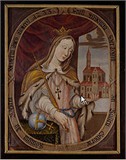
Ludmilla of Bohemia
After a life of royal responsibilities my 22nd great-grandmother became a widow when her husband was murdered. She founded a convent where she lived at the end of her life, and where she is buried.
Lidmila Bohemia (1170 – 1240)
is my 22nd great grandmother
OTTO II Wittelsbach of Bavaria (1206 – 1253)
son of Lidmila Bohemia
Elisabeth Wittelsbach Duchess Bavaria (1227 – 1273)
daughter of OTTO II Wittelsbach of Bavaria
Consort Elisabeth the Romans Carinthia (1263 – 1313)
daughter of Elisabeth Wittelsbach Duchess Bavaria
Albrecht Albert II ‘The Wise’ Duke of Austria Habsburg (1298 – 1358)
son of Consort Elisabeth the Romans Carinthia
Leopold III “Duke of Austria” Habsburg (1351 – 1386)
son of Albrecht Albert II ‘The Wise’ Duke of Austria Habsburg
Ernst I “Ironside” Archduke of Austria Habsburg (1377 – 1424)
son of Leopold III “Duke of Austria” Habsburg
Katharina Archduchess Austria Von Habsburg (1420 – 1493)
daughter of Ernst I “Ironside” Archduke of Austria Habsburg
Christof I VanBaden (1453 – 1527)
son of Katharina Archduchess Austria Von Habsburg
Beatrix Zahringen (1492 – 1535)
daughter of Christof I VanBaden
Sabine Grafin VonSimmern (1528 – 1578)
daughter of Beatrix Zahringen
Marie L Egmond (1564 – 1584)
daughter of Sabine Grafin VonSimmern
Richard Sears (1590 – 1676)
son of Marie L Egmond
Silas Sears (1638 – 1697)
son of Richard Sears
Silas Sears (1661 – 1732)
son of Silas Sears
Sarah Sears (1697 – 1785)
daughter of Silas Sears
Sarah Hamblin (1721 – 1814)
daughter of Sarah Sears
Mercy Hazen (1747 – 1819)
daughter of Sarah Hamblin
Martha Mead (1784 – 1860)
daughter of Mercy Hazen
Abner Morse (1808 – 1838)
son of Martha Mead
Daniel Rowland Morse (1838 – 1910)
son of Abner Morse
Jason A Morse (1862 – 1932)
son of Daniel Rowland Morse
Ernest Abner Morse (1890 – 1965)
son of Jason A Morse
Richard Arden Morse (1920 – 2004)
son of Ernest Abner Morse
Pamela Morse
I am the daughter of Richard Arden Morse
Ludmilla of Bohemia Countess consort of Bogen Duchess consort of Bavaria Spouse Adalbert VI, Count of Bogen
Louis I, Duke of Bavaria Issue Berthold IV, Count of Bogen
Albert IV, Count of Bogen
Diepold of Bogen
Otto II Wittelsbach, Duke of Bavaria
House House of Přemyslid (by birth)
House of Wittelsbach (by second marriage) Father Frederick, Duke of Bohemia Mother Elisabeth of Hungary Born c.1170
Bohemia Died 14 August 1240
Seligenthal convent, Landshut Burial Seligenthal convent, Landshut
Ludmilla of Bohemia (died 14 August 1240) was a daughter of Frederick, Duke of Bohemia and his wife, Elisabeth of Hungary. Ludmilla was a member of the Přemyslid dynasty. She was Duchess consort of Bavaria by her marriage to Louis I, Duke of Bavaria.
Ludmilla was the third of six children born to her parents. Her siblings were Helena of Bohemia, betrothed to Manuel I Komnenos but never married, and Sophia of Bohemia, wife of Albert, Margrave of Meissen. The rest of Ludmilla’s siblings were short-lived or died in early adulthood.
Ludmilla’s paternal grandparents were Vladislaus II of Bohemia and his first wife Gerturde of Babenberg. Her maternal grandparents were Géza II of Hungary and his wife Euphrosyne of Kiev.
Geza was son of Béla II of Hungary and his wife Helena of Raška.
Bela was son of Prince Álmos and his wife Predslava of Kiev, whom was daughter of Sviatopolk II of Kiev and an unknown Bohemian princess.
Marriages
Ludmilla married twice and had issue in both of her marriages. Her first marriage was to Adalbert VI, Count of Bogen, making Ludmilla Countess of Bogen. The couple had three children from their marriage, all sons:
Berthold IV, Count of Bogen (d.1218) married Kunigunda of Hirschberg, no known issue
Albert IV, Count of Bogen (d.1242) married Richeza of Dillingen
Diepold of Bogen (d.1219) a priest in Regensburg
Adalbert died in 1197 and was succeeded by his eldest son with Ludmilla, Berthold.
Ludmilla married Louis I, Duke of Bavaria, a former enemy of her first husband. The marriage was good for Louis because it created an alliance with Ludmilla’s uncle, Ottokar I of Bohemia. The couple had one son:
Otto II Wittelsbach, Duke of Bavaria (7 April 1206 – 29 November 1253), next Duke of Bavaria.
Louis and Ludmilla tried to find a suitable bride for their only child. Otto married Agnes of Palatinate in 1222. Within time, Agnes’ closer relatives died and she became Countess of Palatinate, which became part of the Bavarian inheritance, starting with Ludmilla’s grandson, Louis II, Duke of Bavaria.
Widowhood
Louis was murdered in 1231 on a bridge in Kelheim. The crime was never cleared up since the murderer was immediately lynched. Due to the following aversion of the Wittelsbach family the city of Kelheim lost its status as one of the ducal residences. Louis was buried in the crypt of Scheyern Abbey.
Ludmilla lived to see the birth of four or five grandchildren from Otto and Agnes: Louis II, Henry XIII, Duke of Bavaria, Elisabeth of Bavaria, Queen of Germany, Sophie and Agnes.
Ludmilla founded the Seligenthal convent, near Landshut, in 1232. She remained here for the rest of her days. Ludmilla died there 14 August 1240 and her body was buried there.
Sports fans and all Americans need to be ashamed that this much institutionalized racism can exist in professional sports. When I was a child I was a Pittsburgh Pirates fan, with special emphasis on my love for Roberto Clemente. I went in person to many games at Forbes Field, and listed to the others on my transistor radio. I hold a big grudge against my dad for an incident that took place when I was about 10. We went to lunch at The University Club before games, then walked to the field. One such day Roberto himself was eating in the dining room at the University Club before a game. I wanted to get his autograph, naturally. My dad was very strict and gave a lecture about treating everyone with respect. Of course this was the first black person I had seen eating in that dining room, and it may have been many years before there was another. Richard Arden Morse was a bit of a racist in some ways, but he was firm about not disturbing Roberto to indulge me. I was angry (and still am, if truth be told), but I will always remember the point. It had to do with dignity, and making sure his visit to our snooty club was treated as a natural event. I loved Roberto for his athleticism, and was unaware until later in life of his fight to attain equality as a black baseball player. He is still me favorite athlete of all time.
This rings in my mind when I see this Sterling guy still living some horrible stereotype lifestyle that belongs in the distant past. The nasty truth about this story must be exposed. In no uncertain terms we must reject his behavior. Each of us has some part to play in this, if only by voicing an opinion. I am with Magic in thinking he needs to say he does not want to own a team now. What do you think, gentle reader? Does this freak you out?

La Scala
My 21st great grandfather was Lord of Verona. His father was a wool dealer with political connections that helped him gain power and wealth. His family became influential. Alberto’s great grand daughter married into the ruling family of Milan, and her descendant married into the Habsburg dynasty. Influence and power followed them all the days of their lives.
Alberto I DeScala (1241 – 1301)
is my 21st great grandfather
Alboino De La Scala Lord (1284 – 1311)
son of Alberto I DeScala
Mastino Della Scala (1300 – 1351)
son of Alboino De La Scala Lord
Regina Beatrice Della Scala (1321 – 1384)
daughter of Mastino Della Scala
Veridis Duchess Austria Visconti (1352 – 1414)
daughter of Regina Beatrice Della Scala
Ernst I “Ironside” Archduke of Austria Habsburg (1377 – 1424)
son of Veridis Duchess Austria Visconti
Katharina Archduchess Austria Von Habsburg (1420 – 1493)
daughter of Ernst I “Ironside” Archduke of Austria Habsburg
Christof I VanBaden (1453 – 1527)
son of Katharina Archduchess Austria Von Habsburg
Beatrix Zahringen (1492 – 1535)
daughter of Christof I VanBaden
Sabine Grafin VonSimmern (1528 – 1578)
daughter of Beatrix Zahringen
Marie L Egmond (1564 – 1584)
daughter of Sabine Grafin VonSimmern
Richard Sears (1590 – 1676)
son of Marie L Egmond
Silas Sears (1638 – 1697)
son of Richard Sears
Silas Sears (1661 – 1732)
son of Silas Sears
Sarah Sears (1697 – 1785)
daughter of Silas Sears
Sarah Hamblin (1721 – 1814)
daughter of Sarah Sears
Mercy Hazen (1747 – 1819)
daughter of Sarah Hamblin
Martha Mead (1784 – 1860)
daughter of Mercy Hazen
Abner Morse (1808 – 1838)
son of Martha Mead
Daniel Rowland Morse (1838 – 1910)
son of Abner Morse
Jason A Morse (1862 – 1932)
son of Daniel Rowland Morse
Ernest Abner Morse (1890 – 1965)
son of Jason A Morse
Richard Arden Morse (1920 – 2004)
son of Ernest Abner Morse
Pamela Morse
I am the daughter of Richard Arden Morse
Alberto I della Scala (died September 3, 1301) was lord of Verona from 1277, a member of the Scaliger family.
The son of Jacopino della Scala, he was podestà of Mantua in 1272 and 1275. In 1277, after the assassination of his brother Mastino, inherited the seigniory of Verona.
Alberto died in Verona in 1301. His son Bartolomeo succeeded him. His other sons Alboino and Francesco (Cangrande) were also lord of Verona from 1304 and 1312, respectively.
Sources
Carrara, M. (1966). Gli Scaligeri. Varese: Dell’Oglio.


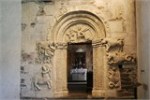
My 21st great-grandfather was born in Venice and is buried at Tirol Castle in Austria. Geography was much different in 1194, when the Holy Romans were still ruling in Europe. Today’s national boundaries have changed in recent times, and in the case of Ukraine, are changing now. Venice was once very powerful as a political as well as economic entity. Meinhard inherited power from his father as well as from his wife’s father. During his political struggles he was forced to leave two of his sons in jail in Salzburg for 6 years. I imagine jail time in Salzburg in 1252 must have been brutal. He survived to become an ancestor of the Habsburgs….and me.
Meinhard I Gorizia Tirol (1194 – 1258)
is my 21st great grandfather
Meinhard II Carinthia Duke of Gorz-Tyrol Tirol (1238 – 1295)
son of Meinhard I Gorizia Tirol
Consort Elisabeth the Romans Carinthia (1263 – 1313)
daughter of Meinhard II Carinthia Duke of Gorz-Tyrol Tirol
Albrecht Albert II ‘The Wise’ Duke of Austria Habsburg (1298 – 1358)
son of Consort Elisabeth the Romans Carinthia
Leopold III “Duke of Austria” Habsburg (1351 – 1386)
son of Albrecht Albert II ‘The Wise’ Duke of Austria Habsburg
Ernst I “Ironside” Archduke of Austria Habsburg (1377 – 1424)
son of Leopold III “Duke of Austria” Habsburg
Katharina Archduchess Austria Von Habsburg (1420 – 1493)
daughter of Ernst I “Ironside” Archduke of Austria Habsburg
Christof I VanBaden (1453 – 1527)
son of Katharina Archduchess Austria Von Habsburg
Beatrix Zahringen (1492 – 1535)
daughter of Christof I VanBaden
Sabine Grafin VonSimmern (1528 – 1578)
daughter of Beatrix Zahringen
Marie L Egmond (1564 – 1584)
daughter of Sabine Grafin VonSimmern
Richard Sears (1590 – 1676)
son of Marie L Egmond
Silas Sears (1638 – 1697)
son of Richard Sears
Silas Sears (1661 – 1732)
son of Silas Sears
Sarah Sears (1697 – 1785)
daughter of Silas Sears
Sarah Hamblin (1721 – 1814)
daughter of Sarah Sears
Mercy Hazen (1747 – 1819)
daughter of Sarah Hamblin
Martha Mead (1784 – 1860)
daughter of Mercy Hazen
Abner Morse (1808 – 1838)
son of Martha Mead
Daniel Rowland Morse (1838 – 1910)
son of Abner Morse
Jason A Morse (1862 – 1932)
son of Daniel Rowland Morse
Ernest Abner Morse (1890 – 1965)
son of Jason A Morse
Richard Arden Morse (1920 – 2004)
son of Ernest Abner Morse
Pamela Morse
I am the daughter of Richard Arden Morse
Meinhard I, Count of Gorizia-Tyrol
Spouse Adelaide of Tyrol
Noble family Meinhardiner
Father Engelbert III, Count of Gorizia
Mother Mathilda of Andechs
Born c. 1200/1205
Died January or February 1258
Meinhard I (c. 1200/1205 – January/February 1258) was Count of Gorizia from the House of Meinhardin was from 1231 and Count of Tyrol from 1253 until his death. He was the son of Count Engelbert III, Count of GoriziaEngelbert III]] of Gorizia (d. 1220) and Mathilda of Andechs, half-sister of Duke Berthold IV of Merania. He came in control over all his family’s Gorizian possessions upon the death of his uncle Meinhard the Old, and of Tyrol as a fief from his father-in-law Count Albert IV of Tyrol.
Meinhard strongly supported Emperor Frederick II of Hohenstaufen in his conflict with Pope Innocent IV and in return was appointed Imperial governor of the Duchy of Styria and the March of Carniola after the last Babenberg Duke Frederick II the Warlike had died without heirs in 1246. From 1250 onwards also governor in the Duchy of Austria, Meinhard facing the fall of the Hohenstaufen dynasty did not prevail: his rule in Carniola was challenged by the Carinthian House of Sponheim and in Austria and Styria he was expelled by Bohemian prince Ottokar II Přemysl in 1251.
Meinhard, backed by Albert IV of Tyrol, then tried to gain control over the Duchy of Carinthia but failed in an unsuccessful campaign against Duke Bernhard von Spanheim and his son Philipp, the elected Archbishop of Salzburg. On September 8, 1252, he was finally defeated and arrested at Greifenburg. According to the rules of the Treaty of Lieserhofen, concluded on December 27, 1252 he had to give his sons Meinhard II and Albert to Phillip as hostages. Both were imprisoned at Burg Hohenwerfen in Salzburg and not released until 1258. Meinhard and Albert IV also had to pay a compensation and to renounce certain possessions including Mittersill, Virgen, Matrei and Oberdrauburg.
After the death of Albert IV of Tyrol in 1253, Meinhard and his brother-in-law, Gebhard of Hirschberg, split Tyrol, of which Meinhard took the southern part with Meran. His son Meinhard II re-acquired the Hirschberg lands from Gebhard’s heirs in 1284 and two years later also received Carinthia from German king Rudolph of Habsburg.
Meinhard I died in 1258 and is buried at Tirol Castle.
Marriage and children
About 1237, Meinhhard married Adelaide, daughter of Albert IV of Tyrol. They had four known children:
Adelheid († 1291), married Count Frederick I of Ortenburg
Meinhard II (1238–1295), Count of Gorizia and Tyrol, Duke of Carinthia
Albert I († 1304), Count of Gorizia
Bertha († 1267), married Conrad, Count of Wullenstetten
From the time we learned our first Dr Seuss rhyme we were being educated by poets. Nursery rhymes and fairy tales are used to teach morals and ethics to children. There is value in the use of language to enchant and stick in the memory. Poets are feeding the artistic as well as the language skills of readers. Our own stories can only be told by our own voice. To develop a voice as a writer or a poet one simply needs to start. Children are ready to rhyme and laugh at almost any word. Adults often loose enthusiasm for word play as they grow older. Since poetry stimulates creativity, and is a tool to jog the memory it makes sense to read and write poems. Often hidden meaning can be found in song and story, as it is in Calypso. Political protest can be carried out in a rhyme using allegory to mask the obvious. Some of our nursery rhymes today were once hot treason against authorities. What kind of symbolic words would you use to write a poetic protest today?
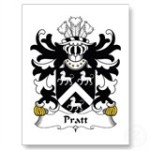
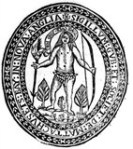
My 11th great-grandfather was born in Plymouth Colony in 1640. His father was a joiner who was well known in the colony. We know little about his life. He died in Providence, Rhode Island the same year his second child, a daughter,was born. It was common for people to move to Rhode Island from Plymouth for religious reasons. Later some members of the family are Quakers, and this may have been Daniel’s persuasion also.
Daniel Pratt (1640 – 1680)
is my 11th great grandfather
Henry Pratt (1658 – 1745)
son of Daniel Pratt
Esther Pratt (1680 – 1740)
daughter of Henry Pratt
Deborah Baynard (1720 – 1791)
daughter of Esther Pratt
Mary Horney (1741 – 1775)
daughter of Deborah Baynard
Esther Harris (1764 – 1838)
daughter of Mary Horney
John H Wright (1803 – 1850)
son of Esther Harris
Mary Wright (1816 – 1873)
daughter of John H Wright
Emiline P Nicholls (1837 – )
daughter of Mary Wright
Harriet Peterson (1856 – 1933)
daughter of Emiline P Nicholls
Sarah Helena Byrne (1878 – 1962)
daughter of Harriet Peterson
Olga Fern Scott (1897 – 1968)
daughter of Sarah Helena Byrne
Richard Arden Morse (1920 – 2004)
son of Olga Fern Scott
Pamela Morse
I am the daughter of Richard Arden Morse

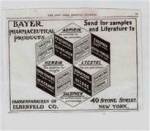

Drugs have won the war we have waged against them. Heroin is growing in popularity because it is a cheap substitute for the prescription drugs that are now the gateway. The profits are massive, and the corruption that accompanies the trade makes a joke of law enforcement. The name heroin was chosen by Bayer, the original marketers of the product, because it made the user feel like a hero. The company stopped manufacturing and selling heroin in 1913, and it was outlawed in the US in 1920. The Viet Nam war increased American use when 10-15% of our troops started using it while in Asia on deployment.
In the US today heroin use is on the rise . Young people between 18-25 are the fastest growing addict group. Mexican black tar heroin is smuggled in great quantity across the Arizona border. This corrupts our law enforcement and endangers our youth as it passes through on the way to it’s eventual market. The smuggling business includes all kinds of illicit drugs. It is organized by cartels run by very nasty individuals. The only way to pull the profit plug on the cartels is to reduce and eliminate demand on our side of the border. This is much easier said than done. From miracle cure to the ruin of our society, heroin has come a long way, baby.
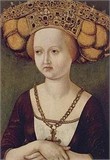
Cymburgis Masovia
My 16th great grandmother was Polish, and was the mother of a Holy Roman Emperor. My ancestor, her daughter, Katharina, was Archduchess of Austria:
Cymburgis Masovia (1391 – 1429)
is my 16th great grandmother
Katharina Archduchess Austria Von Habsburg (1420 – 1493)
daughter of Cymburgis Masovia
Christof I VanBaden (1453 – 1527)
son of Katharina Archduchess Austria Von Habsburg
Beatrix Zahringen (1492 – 1535)
daughter of Christof I VanBaden
Sabine Grafin VonSimmern (1528 – 1578)
daughter of Beatrix Zahringen
Marie L Egmond (1564 – 1584)
daughter of Sabine Grafin VonSimmern
Richard Sears (1590 – 1676)
son of Marie L Egmond
Silas Sears (1638 – 1697)
son of Richard Sears
Silas Sears (1661 – 1732)
son of Silas Sears
Sarah Sears (1697 – 1785)
daughter of Silas Sears
Sarah Hamblin (1721 – 1814)
daughter of Sarah Sears
Mercy Hazen (1747 – 1819)
daughter of Sarah Hamblin
Martha Mead (1784 – 1860)
daughter of Mercy Hazen
Abner Morse (1808 – 1838)
son of Martha Mead
Daniel Rowland Morse (1838 – 1910)
son of Abner Morse
Jason A Morse (1862 – 1932)
son of Daniel Rowland Morse
Ernest Abner Morse (1890 – 1965)
son of Jason A Morse
Richard Arden Morse (1920 – 2004)
son of Ernest Abner Morse
Pamela Morse
I am the daughter of Richard Arden Morse

Cymburgis Masovia
She was born in Warsaw and died in Lower Austria at an Abbey. It is said she contributed the protruding lower lip of the Habsburgs.
Cymburgis (also Cimburgis, Zimburgis or Cimburga) of Masovia (Polish: Cymbarka mazowiecka) (1394 or 1397 – September 28, 1429) in January 1412 became the second wife of the Habsburg Duke Ernest the Iron of Austria (since 1414 Archduke) and thus a Duchess/Archduchess of the Inner Austrian line in Styria, Carinthia and Carniola.
Cimburgis was born at Warsaw in the Duchy of Masovia to Duke Siemovit IV of the Masovian Piast dynasty and his wife Alexandra of Lithuania, daughter of Grand Duke Algirdas, a scion of the Gediminid dynasty, and sister of Władysław II Jagiełło, King of Poland.
Though his elder brother William’s engagement with the Polish princess Jadwiga had mortifyingly failed, Ernest after the death of his first wife Margaret of Pomerania proceeded to Kraków to court Cymburgis. Though not approved by the Habsburg family, the marriage turned out to be a happy one. As the mother of the later Emperor Frederick III, Cymburgis, after Gertrude of Hohenburg, became the second female ancestor of all later Habsburgs, as only his branch of the family survived in the male line. Although controversial, it has been claimed (since at least by Robert Burton in 1621) that she brought the distinctive protruding lower lip (progenism) into the family, a particular physical characteristic of most members of the family for many generations until the 18th century.[2] It can even be recognized in some of her distant descendants today (though not as markedly). Cymburgis’ statue in the Innsbruck Hofkirche church however does not show this feature.
Tradition has it that she was also known for her exceptional strength, which, for example, she showed by driving nails into the wall with her bare hands and cracking nuts between her fingers. Strength also distinguished one of her descendants, Augustus II the Strong, who allegedly broke a horseshoe bare fisted. Cymburgis outlived her husband and died at Türnitz in present-day Lower Austria. She is buried at Lilienfeld Abbey.
Descendants
5 children died at young age
Frederick III, Holy Roman Emperor (1415–1493)
Margaret, wife of Frederick II, Elector of Saxony
Albert VI, Archduke of Austria (1418–1463)
Catherine (1420–1493), wife of Charles I, Margrave of Baden-Baden
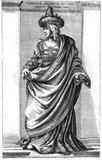
Cymburgis Masovia
How prescient was Sir Paul when he said of course it’s going to go well here when we talk about the Ukraine girls? This song was sarcastic when it was written, and is more ironic now than ever. We are back in a state very similar to the Cold War, and the joke is heavy. Was there ever true communism??? I say no, just state capitalism, which is a sorry substitute. Today we know that putting our heads down in the hall of the school will not protect us from a full blown nuke attack. Do you see a good way to end the Russian stand-off, gentle readers?

