mermaidcamp
Keeping current in wellness, in and out of the water
You can scroll the shelf using ← and → keys
You can scroll the shelf using ← and → keys

ROW80
When I began the #ROW80 journey with fellow writers I had an expectation that I would become a poet by grinding out a poem a day for 80 days. 54 days of this trip are now water under the bridge. I am happy to report that I have not only established a habit and practice of writing poetry, but have learned a lot about creating better, richer written work. Both my plain brown paper wordpress blog and my illustrated poems on Tumblr need new perspectives, interesting characters, and dazzling descriptions of scenes to be more compelling. I am grateful to other writers who have shared works in progress and personal creative systems. I have been too eager to finish and move on to another brief encounter with poetry to spend a proper amount of time revising and refining my first drafts. I have rushed as if I had a quota of quickie poems to write, and then I would start creating more meticulous work. I see the folly in this speed system. I can only become meticulous by practicing specifically to choose each word above all other words for effect and artfulness. I am practicing taking more time and trying on subjects I have not used in the past. So far, so good. I am going for quality, not quantity.
Lunar cycles are central to agriculture and other businesses that need to work with nature. I observe the new moon each month with a clean slate for new intentions and projects. I keep a bundle of marjoram in each of the four corners of my home. This little charm grown in our garden is used to protect our home from harm, both physical and psychic. I empty the old herbs and replace them with freshly picked marjoram that smells delightful. The picking of the herbs includes a little ritual, and I treat the old plant material as depleted magic waste. I return it to the earth as compost or as mulch in my back yard. By refreshing these four sachets on the new moon I remind myself to start again on stalled projects, or refresh commitment to ongoing goals. We have had two new moons during the 80 day challenge. I do notice a difference in my willingness to write creatively. The first new moon found me enjoying the poetry discovery, but not personally applying myself very much to improve. This second new moon that just passed last week was a commitment to the poetry writing goal, but with a shift in attitude. The unexpected consequence of meeting writers and learning about their processes and goals is a much higher standard for my finished product. I have a big realization that bursts of zen poetic flashes are just not sufficient. The first shot is rarely good, so I need to go back to enhance my initial inspiration, work with my muses, and labor a bit.
Next month the new moon will include a solar eclipse on 20 Mar, 2015. This event has symbolic implications beyond the normal new moon. The shadow of the moon is cast on the earth, blocking the sun. The solar eclipse is a time to turn within and come to terms with any unfinished personal business from the past. Our 80 day written program will conclude just after this auspicious occasion in March. I believe this exercise will benefit me long after we stop our check ins. I think the next new moon will bring unexpected gifts. We have only to find them and put them to use.

full moon

#Weekendcoffeeshare
This week people are tired of being cold, so I have thought of a good way to warm up and meet for coffee at the same time. We will use our terry cloth transporter cloaks and magical bathing suits (we all look very good in these) to visit Desert Hot Springs, California. We will sit in warm and hot pools right on top of the San Andreas fault and ask the poolside server to bring our drinks to us in the water. We are going to spa down today, my friends, and feel much better for it. We will soak in the sun and the minerals in the soaking pools at Desert Hot Springs Spa Hotel, possibly the most bizarre place in the universe. Since this is a day trip I think this is the very best place to be in town to meet. I look forward to listening to your stories of the week. Mine has been easy. My dog has taken a positive turn in her health, which makes our family happy. She still has some frailty, but is not suffering. We are feel lucky to spend more time with her in good spirit and decent health. She is in her doghouse resting, so she will not even notice I have flown to California for a while.
If we had an overnight I might consider one of the small mineral water hotels with more privacy, but for coffee and a sun tan this is a funky fabulous world I know you will love. There are Russians and eastern Euros here every time I come, and I expect to hear some Canadian snowbirds in the crowd too. There is such a demand from the Russians that the weekend servers speak Russian and take care of the customers in their own language. For some reason the eastern Euro/Russian spa bunnies prefer this older vintage style hotel. The sister spa next door is very popular with Korean mineral water lovers. Both groups are fun to watch for fashion thrills. You will see some bathing suits that you know for sure have not been purchased in the US. Since we are wearing magic (digital) suits, it is okay to copy one that you like and wear it home. Make sure you fill up your drinking water bottles because the town has sweet, untreated drinking water that wins competitions and comes right out of every tap. It is delicious, and you need to stay hydrated while you soak.
When we are relaxed and warmed to the bone, I hope you will visit the museum up the hill that will show the story of the discovery of the special wells that made this historic spa famous. The other wonderful sight to see before you leave is Joshua Tree National Monument, just a few miles up the road. It is popular with rock climbers for the vertical challenge and spectacular views. Desert wild flowers will be in bloom now at different elevations, flashing intense saturated colors. I wish you a safe and happy flight to your destination. Thanks for dropping in on our spa coffee break.


Words make things happen. In most cultures spoken ceremonies are repeated verbatim purposefully. The sacred nature of both written and spoken language is celebrated around the world. The Torah, Koran, and Bible are viewed as sacred texts to be studied, read and taught. Art depicting religious stories was used to teach in the times before reading was common. Art and design of a religious nature is preserved to demonstrate to future generations the devotion the ancestors had to their beliefs. Sites that are sacred to people for thousands of years become inundated with the energy of pilgrims and believers who have visited throughout history.
In the fast paced and highly saturated language designed to sell products we experience subliminal suggestions buried beneath images and characters. Appeals contain images and voices that speak to our deep unconscious. The investment and energy required to sell Coca Cola around the world now is probably greater than investments in creating sacred art and literature. Political campaigns burn resources and overwhelm the public awareness. Messages bombard the audio and the visual landscapes. The plentiful access to information is both miraculous and sinister. The power of the published word, once reserved for exclusive use by a small group, has been granted to a much wider population. This expansion has created a deluge of spoken and written language available in the blink of an eye on the internet. The cascade of words never ends.
I think it is important to remember that everything we read, write, say, hear, and repeat (or retweet) is power. How do you filter the words you give and receive? I limit the number of ads I see by not watching much commercial television. I don’t buy magazines, and rarely buy papers. Most marketing messages reach me by internet. This makes it simple to delete, unsubscribe, block many of the unwanted communications. The companies that continue to fill my mailbox with catalogs after I ask them to stop sending them invoke my ire. I decide they are too rude to have my business if they will not manage one simple customer service request to stop bombarding me with glossy paper. The world has changed, and so should the unwanted advertisers who think they are reaching me by mail.
Lately I have discovered the vast selection of poetry available free on-line. This filter, which includes several apps for my phone and the voca library, has changed the kind of words I receive on a regular basis. The essence of the poets who crafted those words is portrayed in print and audio. I am making the acquaintance on-line of poets writing now that I like to read. It is fun to be able to comment in real-time on a poet’s blog. By shifting my attention to poems and the use of words to capture time I am pleased to report that my own world is richer and more creative. Words are magical, indeed. My magic words for the year 2015, patience, persistence, and poetry are proving to have the ability to open new realities to me. The are providing a portal into a place of poets, and are just the medicine I needed. Do you believe in magic words, gentle reader?
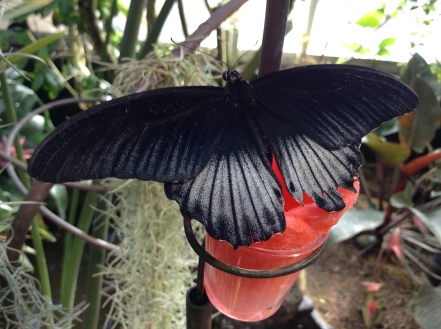
butterfly
ROW80
Spring has sprung here in Arizona. We have another month of daily ruby red grapefruit harvest, which is my favorite crop of the year. I juice them and think they do wonders for my health. Since we have had a very mild winter, with the exception of a harsh freeze that ruined some plants, the trees are in bloom early. This can mean that we will be sure to have an early crop of peaches, or it could mean that survival is all the more tricky since we may dip back down in temperature before the fruits can ripen. Gardening requires both close observation and plenty of patience. Nature sometimes thrills us with the delicious outcome of our labors, but just as often some pest or weather storm renders our efforts useless. I have had some kind of garden for all of my adult life. I have had a revelation about gardening and writing that I want to share with you in this post.
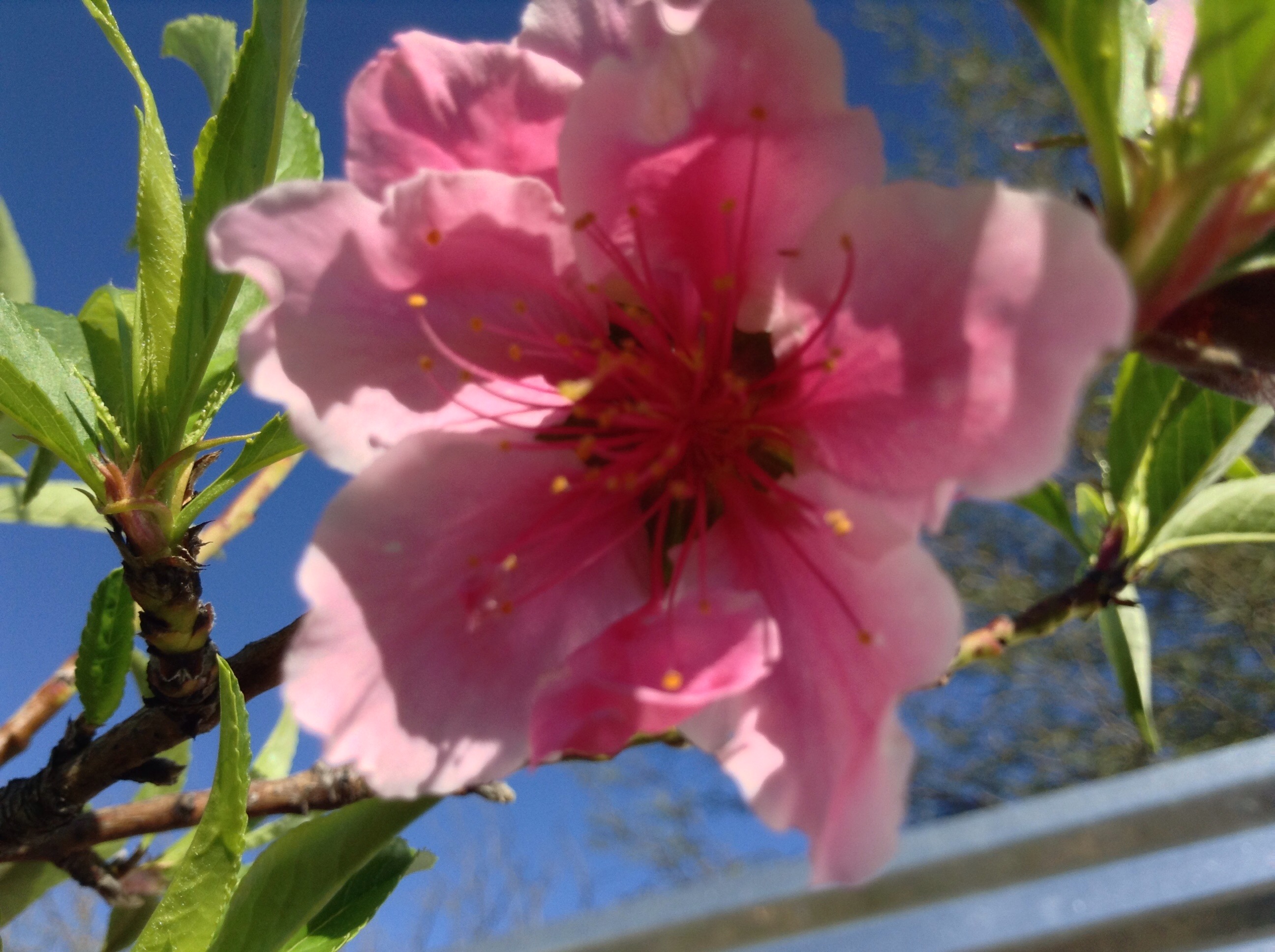
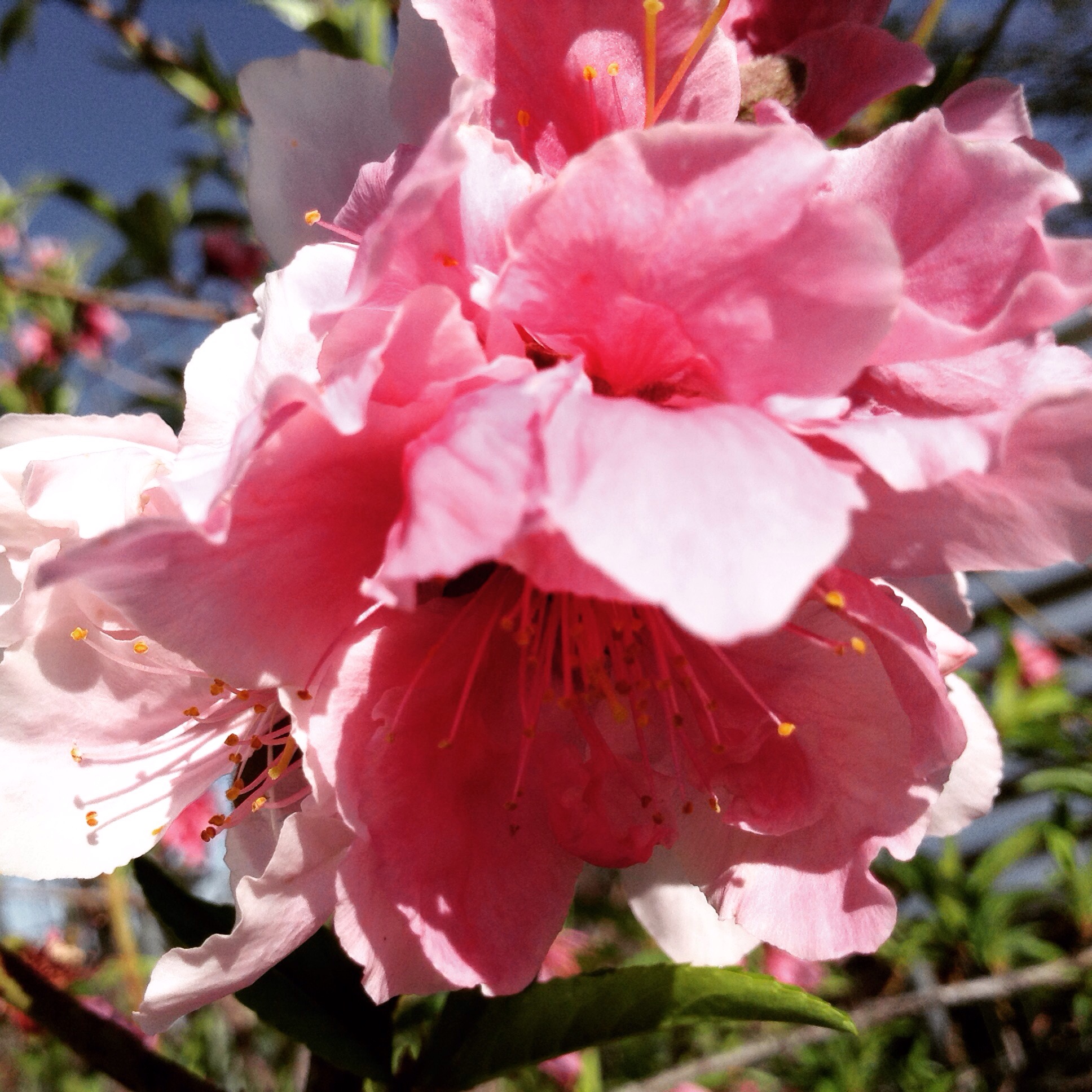
Now that I am regularly spending time listening to and reading poetry I see that a well manicured garden resembles a well tuned and well edited piece of writing. Even though all the writers have different styles, I notice that the choice of words as well as the way the sound works has been nurtured and fed. Some of the initial choices have been eliminated, just as weeds are pulled and mulch set on the ground to keep them from returning. The editing process creates a stronger work just as thinning makes larger sweeter peaches. Keeping every one of the fruits is penny wise and pound foolish. After the muse brings the word or the subject or the image to light, the writer must work the creative mental soil, feed the story, and decide when and where to trim for effect. The volunteer plants and some of my current work have something in common. Although they have not been fully worked, or given time to evolve into something more complete, they grew up naturally from a seed that had fallen in the past. Like yellow pear tomatoes, this natural offspring of my imagination, can turn out never ending butterfly psyche poems, if left undisturbed.
Spending more time taking notes, spinning rhymes, and considering new territory for my writing I am pleased with all I have learned. My #ROW80 mates have inspired as well as instructed me in ways I had never expected. Thanks to all of you. I have found a great resource to consult that some of you may also enjoy. The U of A Poetry Center, of which you have heard me tell, has a library of recorded readings called voca. Poets read from their work and explain some of the process they used. This has opened my eyes to the many devices and forms that might be used to write a poem. Everything can be used as inspiration, and any writing has the possibility of becoming great, if edited with sensitivity.
What does the word masquerade mean to you? Do you have a secret identity known only to yourself? How would you dress if you had no formal dress code to satisfy? Do you think you would make any changes to your present wardrobe? When I was a child my mother kept a very big cardboard moving container in the basement full of her old dressy clothing. This box was provided for dress up when I had friends over to play. We used it extensively. I have some fuzzy memories of my friends in hats, gloves, and formal dresses. None of my other friends had one of these, but it was not until later that I knew it had been a great idea.
I had my first job in my life as a costumer and a singer in an outdoor drama. This show, Unto These Hills, was produced in a large amphitheater, so costumes were very important part of telling the story. One of my jobs was to assist in the quick changes of costumes. I helped an eagle dancer turn into Andrew Jackson, replete with long cape, in about 2 minutes. There were a couple of other quick changes, but that was the one that required the biggest transformation. I was never on stage in Cherokee, but in the choir behind a curtain when we sang. I was the youngest (17) and the lowest paid member of the staff. I think I made about $35 a week after they paid for my room and board out of my check. I don’t think about it very often, but last week I saw a bluegrass band from North Carolina and the memories came into my mind like a flood. I am craving hush puppies and thinking about some of our crew that have already left this world. I am remembering laughing so hard I thought I might die right there in the Great Smokey Mountains.
I had careers in both spa fitness and travel, which required me to switch costumes, sometimes quick change. I wore bathing suits a lot of the time for teaching, and often went to the travel agency at night to print tickets and work on my clients’ trips. They were two distinct work environments, so mixing them was a bad idea. I had one briefcase for each job, and had to make sure I kept them separate. This became more defined when I started to work in Mexico at Rancho la Puerta. I was asked to do something to perk up the bingo game because guests were complaining about it. Without consciously bringing it to mind, I reinvented my cardboard dress up box from the basement of my childhood home. We collected ridiculous Vana White style evening wear and used it for bingo. This bingo persona got out of control. Regularly guests would as me if I was there for the week just as bingo queen. Either they missed my classes, or did not know I was the same person who had taught them. This game went on for years, until the guests themselves wanted to dress up and wear wigs. Eventually I distributed all the contents of the bingo costume box and started again. I wore a sheet toga and flowers in my hair for bingo and said I was Spring, the season.
I recently did a big purge of my closet in order to feel focused and clear. This has been a wonderful change, leaving me space and a better curated wardrobe than I had. I no longer need to dress for a job, or to impress anyone. I dress for comfort and also like to express my personal style. My secret identity is ace detective. I am curious to a fault, and enjoy nothing more than stealth. I am not particularly fond of being recognized because I love to slip around in a crowd to eavesdrop. If I could use a cloak for invisibility I certainly would. My signature look, in my own estimation, should be one that shape shifts. I need to maintain a level of mystery. What do you want from your costuming, gentle reader?
bar
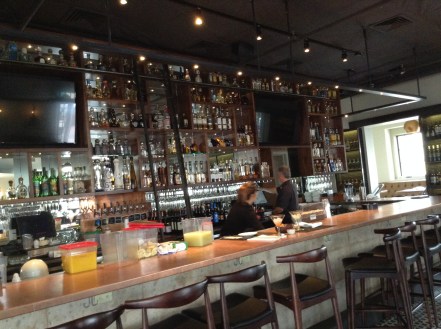
We tried a new Mexican restaurant this weekend in Tucson. Competition is stiff for Mexican food here, so to be popular there must be some specific advantage to keep customers returning. Reforma has many features that set it apart from other dining options in the area. The sleek modern decor and elaborate bar are urban, with nothing indicating that this is Mexican. There are no sombreros on the wall, or folkloric costumes for the servers. The ambience they want to create is Mexico City, or Chilango style. I like the newly completed renovation if the interior space, but we chose to dine on the patio. On the weekends St. Philip’s Plaza hosts farmer and artisan markets. The sellers were packing to leave as we arrived, but it was still a lively scene, fun to watch from the dinner table.
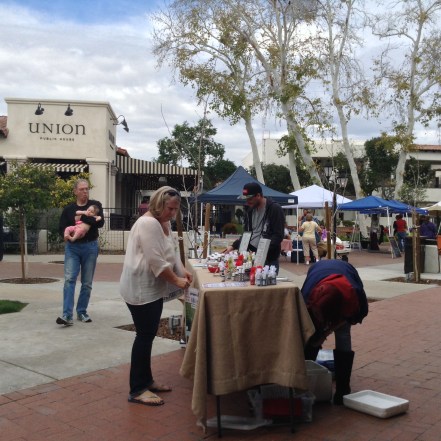
St Philip’s Plaza market
The cantina has an incredible collection of tequilas. The list of tequilas is presented on a digital tablet, and there are hundreds of choices. The house cocktails all feature tequila as well. I don’t drink much tequila, but decided to try a vampiro (vampire) which was an excellent idea.
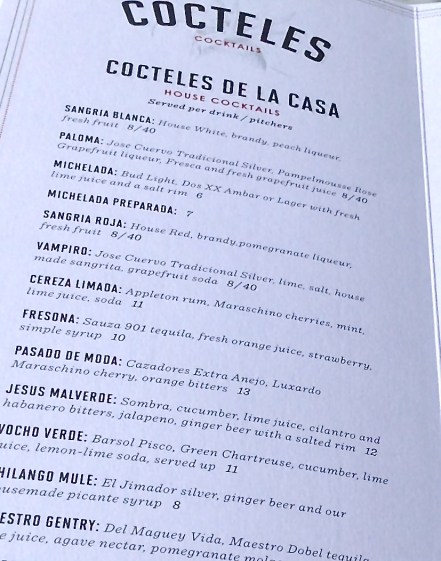
house cocktails

cheers
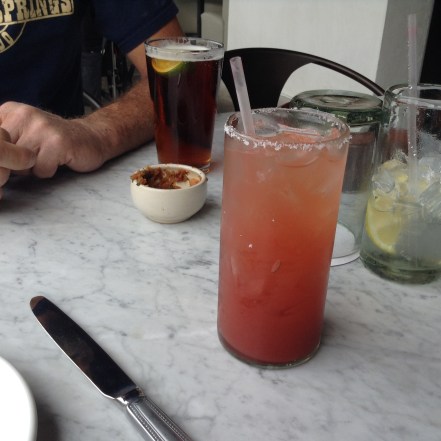
Vampiro

Bob and brew
The salsa is very thick and smokey. The tortilla chips are either made in-house or procured very fresh. When the salsa agrees with my taste I know I will probably like the rest of the food. Our server John was quick to bring our drinks, answer our questions and take the order. Bob enjoyed a craft beer while we quickly polished off the first salsa serving. When I asked for more we were given two extra bowls of the delicious spicy paste. This won my affection for the server. I can be kept very happy for a long time with sufficient salsa, but when I have chips and no salsa I become the cranky customer quickly. We had only a few minutes before our meals arrived this time, barely enough to break into the second bowl of salsa.
We tried two sides rather than order appetizers because there were some interesting choices for vegetarians. The pickled vegetables were a sharp and flavorful accompaniment to my salad. Green beans, two kinds of chiles, carrots, and red onions were in the mix. The other side was esquites, dish neither of us had tasted in the past. This corn/ onion/crema combination was our favorite. Both of the side dish portions were so ample that we needed to take some home with us. Part of my salad with black beans, guacamole and fresh vegetables was also brought back to the house. Bob managed to eat all the beef with chile, green onions and lime. He really liked it. We both decided this is a place we want to try again. There are many other menu items that look tasty, including a great happy hour taco menu. We passed on dessert, but I noticed there are adult popsicles. If you like tortillas, tequila, and innovative cuisine I believe you will enjoy dining at Reforma. John is an attentive and competent server. He will make sure you do not run out of salsa.
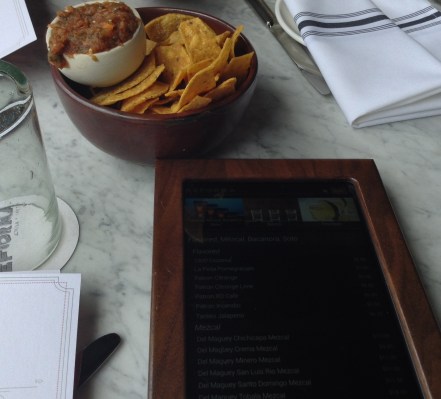
chips, salsa, tequila list
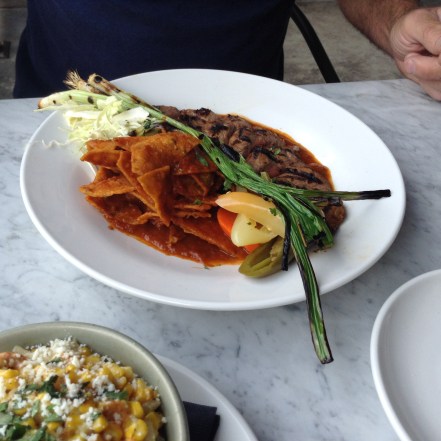
beef for Bob
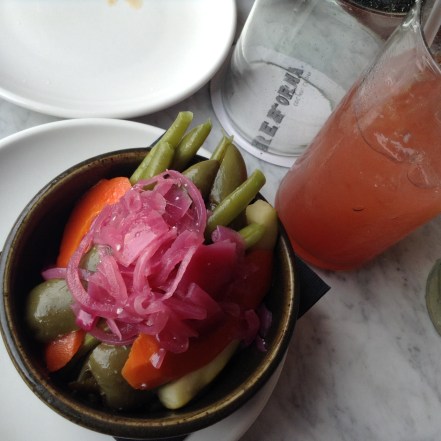
pickled vegetables

ensalada completa

esquites
ROW80
I have achieved one of the goals I stated in my first post here. I have been to the U of A Poetry Center this week. The free reading on Thursday evening was part of series on the poetics and politics of water. Sherwin Bitsui, a Navajo poet, read from his works. The were haunting and evocative of desert landscapes. He was generous in his explanation of the background and muse for the works he presented to us. This gave us both biographical information about him, and a sense of how long he worked on the books he had published. Mr Bitsui is now a professor of creative writing in San Diego, but he comes form the Navajo reservation. In his introduction he was recognized for his support of other Native American poets. He mentored and helped a number of people during his time at the University of Arizona who have gone on to publish books of poetry. I thoroughly enjoyed listening to him read. Ideas from the reading have been resonating and reverberating in my mind…a good sign that those poems hit home in ways I have yet to understand.
Yesterday, for Valentine’s Day the Poetry Center docents presented a reading at the Tucson Botanical Gardens. Poetry in the Garden is a regular series open to the public held in the natural setting of the gardens. Our broad subject this month was birds as symbols of love. These readings are enjoyable for all ages and stages of poetic interest. The docents compile a packet of poems and read from the collection. The audience is invited to read too, and discussion takes place after each reading. The docents encourage the audience to express thoughts and feelings about the meaning or the sounds in the readings. The discussion is broad and not academic. The programs are very well prepared and produced, this one being no exception. We heard from e.e. cummings, Emily Dickinson, some other well known writers, and less famous poets with all kinds of styles. The setting and weather were ideal as we were visited by singing birds before and after the session. They seemed to be voicing approval or applause.
Both of these very well produced events are an example of the very good luck it is to live near the Poetry Center. Having access to these high quality readings is a gift. Some of the attendees at the evening readings are enrolled in a University of Arizona seminar on the poetics and politics of water. They spend class time with these visiting poets as well as the public reading time. There will be 3 more in this series. I plan to go to all of them because they touch a very serious subject for us in Arizona…water. The fact that they are all Native American is meaningful. In history tribes respected natural resources while the invaders worked to deplete them. Our situation today is precarious. We have less security about water every minute. The scientists involved in this seminar agree that poets bring something to the study that pure science can not.
I am still writing, listening and learning about the lives of poets in my own practice. I have expanded my subject matter a little, but nothing too impressive. The best thing I discovered through listening at these readings is that you can write poetry any way you want. There are no forms that are rejected. Free verse is square, some poems are drawings of shapes with the lines, some use sound with mysterious meaning, still others rhyme and are held together in quartrians. It is all good. I still notice my preference to hear the sound rather than see it written on the page. The garden readings are particularly pleasurable for me because I am sitting in a favorite spot with someone reading stories to me. It is a big luxury to glance around the gardens and take in the poems. It is like having a limousine instead of driving yourself. Do you like to listen to spoken word, gentle reader, or do you like to read it in print? My dad used to read to me, and he did recite a few poems, so I think this reminds me of my childhood in a good way.






#Weekendcoffeeshare
Because we are meeting for a Valentine’s Day coffee today, a special chocolate destination has been chosen for our visit. Transporter cloaks will not only situate us in the supreme location for chocolate shopping, but also provide us each with hundreds of digital Swiss francs to spend. Prepare yourself and your Valentine for an extravagant and elegant new level of confectionary excellence. We are meeting at Conditorei Cafe Schober, in the old town (niederdorf) Zurich. The building, the decor, the coffee and the treats will be out of this world, and completely digital, so feel free to order anything you fancy. I noticed that some of the weekend coffee group is very partial to chocolate, so this should ring your culinary bell.
The niederdorf is worth exploration. I love this part of the city on a steep incline above the river. These buildings are ancient and have housed millions of coffee meetings just like ours. If you stroll in this area you will find other equally interesting cafes, bars, and small individual retailers. There is a specialty button store that I adore. For me this is a very romantic place. It is not the chocolate that attracts my interest. It is the history and the culture that have been passing through here for centuries. The Swiss are not only masters of chocolate. They are the masters of preservation, privacy, and peace. They are pretty good at timekeeping and banking too. I admire them for keeping their environment clean and their people employed. They own the last clean water in Europe, since they own the sources of the Rhone as well as the Rhine.
After our time together here in the old town I urge you to walk to the lake, then shop your way up the Bahnhofstrasse to the main station. There are so many choices for wonderful coffee and chocolate here, as you might imagine. What you cannot imagine until you see and taste it firsthand is how wild these people get about candy, pastries and all things chocolate. They do not slouch in the coffee department, either. In fact one of my favorite museums on earth is the Museum of Coffee right down the hill in Seefeld. You will learn a lot about the history of coffee around the world and see some stunning antique coffee service sets. This museum is housed in a mansion next to the lake, which itself is worth seeing. I hope you will enjoy your tour of my favorite city in the world. It has the most dense public transportation service on earth, so you can hop on a tram and zip all over town with ease…or you could just use your cloak.
I look forward to hearing the stories from your week. Mine has been sad because our hound has end of life issues. We have faced this fact for months, but the end only gets nearer. It is good to have the chance to get out for a treat and a visit with you. It distracts me from the gloomy reality of what comes next. I am over-ordering all kinds of sweet digital treats, and advise you to do the same. I plan to drown a little doggy sorrow in these over the top pastries. A little imaginary whipped cream never hurt anyone. Happy Valentine’s Day, gentle reader. May your overindulgence be purely digital.
ROW80
As a public speaker or teacher I specialize in improvisation. I like to joke on my feet and consider myself to be a bit of a wit. Now as I attempt to transfer my in person energy into the written word, I notice the same tendency. I want to wing it, then do it again if that did not work well. My urge to edit and refine has been absent from this process. I told you I want to be like all of these highly productive and impressive writers in #ROW80 by adding more editing and revision to each piece of poetry I write. I still am not attracted to the revision part of the deal, but am at least thinking more about structure up front.
I have a curiosity about trying to match a piece of poetry with a prose short story about a character (or characters) in my family tree. I am thinking hard about my Confederate family history as it relates to the Civil Rights movement, and our political situation today. I grew up in Pennsylvania but my cousins in Texas were taught to racially discriminate at the same time they were given strict religious rules. I didn’t know how lucky I was to escape early racist brainwashing until I moved to Texas as a 15-year-old. I was never confused by religious bigotry because it was not presented to me, but my classmates seemed very afflicted with some ancient hatred issues I just did not understand. I moved to the Brazos Valley, a place where cotton had been king and the population had once been around 90% enslaved Africans. I now know that this place was close to the homestead my ancestors settled after the Civil War. I am dreaming and obsessing about this time and what happened to my family, so I might as well use this to attempt my first twin set of prose/poetry. I will also use this occasion to debut a first draft!!!! I am doing this in an attempt to follow it with both a prose story and more refined and interesting drafts of this work in progress. Mind you, this is the first time I am using this phrase (WIP) because I never allowed much progress before moving on to another piece. I have no working title..unless it is maybe “Civil”:

DNA a wheel
The pendulum of social equality swings back and forth without fail
Generations carry the scars of hatred inherited without question
Blindly absorbing the sins of the past, each individual has been primed
To live in a time of upheaval and grief, suspecting it has been created by others
Dark secretive layers of cultural denial manage to influence consciousness
Seeping up from beneath the floor supporting our structure is a sticky tar
It reeks of rancid promotions and snake oil promises recorded in history
If we only knew the source of this gunk, this oozing mendacity of pride,
We might confront it and uncover the essence of the buried truth inside
If you, gentle readers, have any revisions you want to send my way, please feel free. You are probably much better at that than I am. Not to worry about my pride as a poet…I can honestly say I have none..because you need some progress to make you proud, and this is my first jaunt into this territory. I plan to start the prose story in the next week, but do not expect that to be published before much ado. Thanks for all the insight into what writers really do. It is extremely helpful.
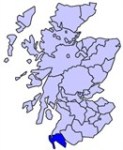
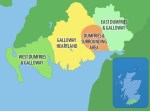

My 21st great-grandfather was the last of the independent Lords of Galloway, in Scotland. He married three or four times and is buried at Dundrennan Abbey in Galloway. He was mentioned in the Magna Carta, which is a big deal in English history. I like his outrageously long name.
Alan MacDonal FitzRoland MacFergus, Constable of Scotland, Lord Galloway (1186 – 1234)
is my 21st great grandfather
Helen Elena McDonald of Worcester Countess Galloway (1207 – 1245)
daughter of Alan MacDonal FitzRoland MacFergus, Constable of Scotland, Lord Galloway
Lady Helen Elena La Zouche Quincy (1222 – 1296)
daughter of Helen Elena McDonald of Worcester Countess Galloway
Eudo LaZouche (1245 – 1279)
son of Lady Helen Elena La Zouche Quincy
Elizabeth La Zouche (1274 – 1297)
daughter of Eudo LaZouche
Nicholas Poyntz (1303 – 1376)
son of Elizabeth La Zouche
Nicholas Poyntz (1355 – 1372)
son of Nicholas Poyntz
Pontius Poyntz (1372 – 1393)
son of Nicholas Poyntz
John Poyntz (1412 – 1447)
son of Pontius Poyntz
William Poyntz (1455 – 1494)
son of John Poyntz
Thomas Poyntz (1480 – 1562)
son of William Poyntz
Lady Susanna Elizabeth Poyntz (1528 – 1613)
daughter of Thomas Poyntz
Elizabeth Saltonstall (1557 – 1621)
daughter of Lady Susanna Elizabeth Poyntz
Henry Wyche (1604 – 1678)
son of Elizabeth Saltonstall
Henry Wyche (1648 – 1714)
son of Henry Wyche
George Wyche (1685 – 1757)
son of Henry Wyche
Peter Wyche (1712 – 1757)
son of George Wyche
Drury Wyche (1741 – 1784)
son of Peter Wyche
Mary Polly Wyche (1774 – 1852)
daughter of Drury Wyche
John Samuel Taylor (1798 – 1873)
son of Mary Polly Wyche
William Ellison Taylor (1839 – 1918)
son of John Samuel Taylor
George Harvey Taylor (1884 – 1941)
son of William Ellison Taylor
Ruby Lee Taylor (1922 – 2008)
daughter of George Harvey Taylor
Pamela Morse
I am the daughter of Ruby Lee Taylor
Alan, lord of Galloway (b. before 1199, d. 1234), magnate, was the eldest son of Roland, lord of Galloway (d. 1200), and Helen de Morville (d. 1217), sister and heir of William de Morville, lord of Lauderdale and Cunningham and royal constable. He had two brothers and two sisters, of whom Thomas (d. 1231) became earl of Atholl in right of his wife, Ada married Walter Bisset of Aboyne, and Dervorguilla married Nicholas de Stuteville of Liddel in Cumbria.
Alan contracted three marriages: to a daughter of Roger de Lacy, constable of Chester; to Margaret (d. before 1228), eldest daughter of David, earl of Huntingdon, in 1209; and, c.1229, to Rose, daughter of Hugh de Lacy, earl of Ulster. The first two marriages produced children, but only daughters attained adulthood. Helen, his daughter by his first marriage, married Roger de Quincy, while Christina (or Christiana) and Dervorguilla [see Balliol, Dervorguilla de], the children of Alan and Margaret, married William de Forz and John de Balliol respectively. Alan had one bastard son, Thomas.
Cross-border landholding and kinship with King John of England made Alan a man of consequence in both realms. His relationship with the king of Scots, based on loose overlordship rather than feudal subordination, allowed freedom of manoeuvre where his actions did not conflict with Scottish interests. Galloway’s military resources and substantial fleet gave added influence; Alan’s aid was courted unsuccessfully by John for his 1210 campaign against the Ulster Lacys, but he agreed to send one thousand men for the abortive Welsh campaign of 1212. A grant of estates in Antrim in 1212 was designed to draw him actively into the defence of Angevin Ulster against the native Irish. Despite such favours from John, when Alexander II entered the civil war in England in 1215, aligning himself with John’s baronial opponents, Alan joined the Scottish king and was his chief lieutenant in the occupation of Cumberland and Westmorland from 1215 to 1217.
From 1225 Alan used the freedom afforded by the loose overlordship of the Scottish crown to interfere in the feud between King Ragnvald of Man and his half-brother, Olaf. His private interest, arising from efforts to secure Antrim with Ragnvald’s support against the threat of a Lacy restoration, coincided at first with Anglo-Scottish policy towards the region and received the tacit support of his Scottish overlord. The prospect of a pro-Scottish client in Man led Alexander II to acquiesce to the marriage in 1226 of Alan’s bastard son, Thomas, to Ragnvald’s daughter, but the marriage provoked revolt against Ragnvald. Despite the support of Galwegian galleys and warriors, Ragnvald was overthrown and slain in 1229 by Olaf. Alan’s ensuing attempts to conquer Man for Thomas destabilized the Hebrides and western highlands, thereby threatening Scottish territorial interests, and in 1230–31 prompted active Norwegian support for Olaf. Joint action by Alan and Alexander averted catastrophe, but Scottish and Galwegian interests had diverged and the 1231 campaign marked the end of further Galwegian involvement in the Manx succession; Alan’s dynastic ambitions had caused an undesirable war with a major foreign power.
Uncertainty over the succession to Galloway shadowed Alan’s later years. His nearest legitimate male heir was Patrick of Atholl [see under Thomas, earl of Atholl], son of his younger brother, Thomas, who had died in 1231, but, although Celtic practice did not debar his bastard son, Thomas, Alan’s closest heirs by feudal law were his three daughters, all married to important Anglo-Scottish noblemen. To King Alexander, the crisis precipitated by Alan’s Manx ventures made partition, and the attendant opportunity to replace the loose overlordship enjoyed by Alan with a more tightly defined relationship, an attractive proposition, for succession by Thomas threatened a revival of Galwegian interests in Man and so of risks to Scottish security. Alan died about 2 February 1234 and was buried in Dundrennan Abbey, where his mutilated tomb effigy survives. Partition of the lordship followed and, despite a rebellion in 1235 in favour of Thomas, was successfully enforced.
OXFO RD DNB
Alan FitzRoland (c. 1175 – 1234) was the last of the MacFergus dynasty of quasi-independent Lords of Galloway. He was also hereditary Constable of Scotland.
He was the son of Roland, or Lochlann, Lord of Galloway and Helen de Morville. His date of birth is uncertain, but he was considered an adult in 1196.
In right of his mother he inherited the de Morville Lordship of Lauderdale. as well as others in that vicinity: West of Blainslie, in Lauderdale, but in the Lordship of Melrose, are the lands of Threepwood, which were granted by Alan, Constable of Scotland, to the monks of Melrose between 1177 and 1204.
In 1212 Alan responded to a summons from King John I of England by sending 1,000 troops to join the war against the Welsh. In this year he also sent one of his daughters to England as a hostage. She died in 1213 in the custody of her maternal uncle. Alan is listed as one of the 16 men who counseled King John regarding the Magna Carta.
Alan, like his forebears, maintained a carefully ambiguous relationship with both the English and Scottish states, acting as a vassal when it suited his purpose and as an independent monarch when he could get away with it. His considerable sea power allowed him to supply fleets and armies to aid the English King John in campaigns both in France and Ireland.
In 1228 he invaded the Isle of Man and fought a sea-war against Norway in support of Reginald, Prince of Man, who was engaged in a fratricidal struggle with his brother Olaf for possession of the island.
Alan died in 1234 and is buried at Dundrennan Abbey in Galloway.
He married three or four times: ?? an unnamed daughter of John, Baron of Pontefract and Constable of Chester, who had died by 1209. They had one daughter:
Female, (d. 1213).
He married Hilda (Helen) de L’Isle (b.abt1174 d.after 11/0/1245) m.1205 Carrick, Ayrshire, Scotland. She was the daughter of Rognvald Sumarlidasson, Lord of the Isles and Fonia of Moray.
Child of Alan of Galloway and Helen de l’Isle:
Helen of Galloway (b.c1208) Carrick, Ayrshire, Scotland, who married Roger de Quincy, 2nd Earl of Winchester.
He remarried Margaret of Huntingdon, daughter of David I of Scotland. By this marriage he had:
Dervorguilla of Galloway, who married John de Balliol, 5th feudal baron of Barnard Castle and founder of Balliol College, Oxford. Their son became King John of Scotland.
Christina of Galloway (d. 1246), who married William de Fortibus, Earl of Albemarle, but had no issue.
Thomas, possibly alive in 1220, but certainly dead by 1234
Alan married his last wife, (3) Rohese de Lacy, in 1229, the daughter of Hugh de Lacy, 1st Earl of Ulster.
Alan also had an illegitimate son, who was also named Thomas.
With Alan’s death his holdings were divided between his three daughters and their husbands. A popular attempt was made within Galloway to establish his illegitimate son, Thomas, as ruler, but this failed, and Galloway’s period as an independent political entity came to an end.
Wikipedia, The Free Encyclopedia @en.wikipedia.org
Additional Royal Descents; “A Line of Descent from Malcolm II, King of Scots, to the Rev. George Burroughs of Danvers, Mass. by Frederick Lewis Weis, Th. D., of Dublin, NH., NEHGR, 1954. Vol. 108, pg 174
ALAN of Galloway, son of ROLAND Lord of Galloway & his wife Helen de Moreville (-[2] Feb 1234, bur Dundraynan). He succeeded his father in 1200 as Lord of Galloway. “Alanus filius Rollandi de Galwythia” donated “partem terre in territorio de Gillebeccokestun…de Widhope” to Melrose abbey, for the souls of “Ricardi de Morevill avi mei et Willemi avunculi mei, Rollandi patris mei et…mea et Helene matris mee”, by undated charter. “Thomas de Colevilla cognomento Scot” donated “quartam partam de Almelidum…Keresban” to Melrose abbey by undated charter witnessed by “…Alano filio Rolandi de Galewai, Fergus filio Uctredi, Edgaro filio Douenad, Dunkano filio Gilbti comite de Carric…”. “Alanus fili Rolandi de Galweia constabularius dni regis Scottorum” donated property “in Ulkelyston” to Kelso monastery, for the souls of “patris mei Rolandi, avi mei Huhtredi”, by charter dated to [1206]. The Annals of Dunstable record that “dominus Galwinæ” died in 1235. The Liber Pluscardensis records the death in [1234] of “Alanus de Galway filius Rotholandi de Galway…qui…fuit constabilarius Scociæ” and his burial “apud Dundranan”. The Chronicle of Lanercost records the death “circa purificacionem beatæ Virginis” [2 Feb] in 1233 of “Alanus dominus Galwydiæ”. On his death Galway was divided between his daughters, but the people of Galway invited Alexander II King of Scotland to become their sole lord but he refused. The king finally defeated the insurgents after Jul 1235.
[m firstly (before [19 Dec 1200/1206]) — de Lacy, daughter of ROGER de Lacy Constable of Chester & his wife Maud de Clare (-[1201/06]). Keith Stringer says that “one of the daughters of Roger de Lacy was evidently Alan´s first wife” and that “the manor of Kippax” was her dowry, quoting a charter, dated to [19 Dec 1200/1206], under which “Alanus filius Rollandi, dominus Galuuaith Scotie constabularius…et heredibus meis” gave quitclaim to “Rogero de Lascy Cestrie constabularius et heredibus suis” for “advocationem ecclesie de Kipeis”.]
m [secondly] — [of the Isles, daughter of REGINALD Lord of the Isles & his wife Fonie —] (-before 1209). Balfour Paul says that Alan Lord of Galloway married first “a lady unknown, said to be a daughter of Reginald Lord of the Isles by whom he had two daughters”. The primary source which confirms her parentage and marriage has not yet been identified.
m [thirdly] (Dundee 1209) MARGARET of Huntingdon, daughter of DAVID of Scotland Earl of Huntingdon & his wife Matilda of Chester ([1194]-[after 6 Jan 1233]). The Chronicle of Melrose records the marriage in 1209 of “Alan FitzRoland” and “the daughter of earl David, the brother of the king of Scotland”. The Annales Londonienses name “Margaretam, Isabellam, Matildam, et Aldam” as the four daughters of “comiti David”, recording the marriage of “la primere fille Davi” and “Aleyn de Gavei”. John of Fordun´s Scotichronicon (Continuator) records the marriage in 1208 “apud Dunde” of “Alanus magnus de Galweyia, filius Rotholandi” and “Margaretam filiam David comitis de Huntingtona”. The primary source which confirms her appearance in Jan 1233 has not been identified. The date is inconsistent with Alan´s subsequent marital history, unless his marriage to Margaret was dissolved.
m [fourthly] (before 30 Mar 1222, annulled for consanguinity [1225/29]) JULIANA, daughter of —. Anderson records that Pope Honorius III wrote to the archbishop of Canterbury and others 30 Mar 1222 informing them that Alan constable of Scotland and his wife were related in a prohibited degree of affinity, and wrote again 28 Feb 1225 reported the hearing before the abbot of Bruern of the marriage of “Alan knight and Juliana”. Anderson states that Alan continued to litigate and that Juliana appeared in Rome before the Pope who “bade the archbishop examine the original acts and decide the case if Alan would not accept the woman as his wife”, and adds that “Juliana seems to have lost the case”.
m [fifthly] ([1228/29]) ROSE de Lacy, daughter of HUGH de Lacy & [his first wife Lesceline de Verdun] (-after 1237). According to Matthew of Paris, the wife of Alan of Galloway “iam defunctus” was the (unnamed) daughter of “Hugonem de Lasey”. The Chronicle of Lanercost records in 1229 that “Alan the lord of Galloway…set out for Ireland and there married the daughter of Hugh de Lacy”. John of Fordun´s Scotichronicon (Continuator) records that “Alanus de Galweia profectus in Hiberniam” married “filiam Hugonis de Lacy” in 1228. If her parentage and marriage is correctly stated in the two sources quoted, the chronology suggests that this daughter must have been born from Hugh´s first marriage, assuming that she was legitimate. She is named “Rose de Lacy” by Keith Stringer, who cites a charter of St Bees which indicates that she was still alive in 1237.
Lord Alan & his [first/second] wife had two children
http://fmg.a c/Projects/MedLands/SCOTTISH%20NOBILITY.htm#HelenGallowaydiedafter21Nov1245
Excert from The Magna Charta Sureties, 1215 by Frederick Lewis Weis
Excert from: Ancestral Roots of Certain American Colonists Who Came to America Before 1700. Author: Weis, Frederick Lewis Date of Publication: 2004
Offord Manor
An inquiry was held in 1199 on behalf of Roland de Galloway, whose wife Ellen was daughter of Richard de Moreville, whether Richard had forfeited for his adherence to ‘the young king’Henry, son of Henry II. Alan, son of Roland and Ellen, was pardoned a debt regarding this inquiry in 1213.
A History of the County of Huntingdon: Volume 2
 mermaidcamp