mermaidcamp
Keeping current in wellness, in and out of the water
You can scroll the shelf using ← and → keys
You can scroll the shelf using ← and → keys
 Basil
BasilThere is a long history of perfumes and incense used in ceremony and in popular culture. The Ancient Egyptians used many fragrant oils in the embalming process. It is said that when King Tut’s tomb was opened 3000 years after it had been sealed the urns still gave off the fragrance of frankincense and other spices. Ancient Greeks called all the aromatic products they used aromata. Athletes were anointed with scented oils before competing, and bay leaves were burned at Delphi to induce trance in the priestesses who foretold the future. The Romans raised the popularity and awareness of aromatherapy to new heights. Scented oil massage was the ritual ending at the communal baths in Julius Caesar’s time. Many Roman holidays involved great quantities of scented materials. Rose petals were strewn before men of stature as they walked, and perfume was sprayed on spectators at games. In China the herbal tradition is rich and deep, and it includes the use of oils extracted from plants. They believed that the extraction of the oil liberated the soul of the plant.
Artemisia vulgaris is used in Chinese medicine for moxibustion. In ancient China some people could afford a special room for childbirth. It was called the Artemisia room because the plant was burned during labor to attract kind spirits to the mother and child. The first uses of romantic plants in Chinese healing practices date back to about 2000 BC in The Yellow Emperor’s Book of Chinese Medicine. In Japan incense and the formal art of burning it is taken seriously and used in religion. Special schools, still in existence today, teach the art of Kodo, or perfumery.
Druids burned incense for ceremonial rites, and the Celtic people continued the use. Juniper was used frequently to banish spirits for healing or magic. In Britain monasteries grew medicinal herbs and shared knowledge of plants with other monks. The Crusades brought new plants and remedies traveling back from the Holy Land with the Knights Templar and others. The plague was a time when aromatic plants were used in amulets and strewn to deter fleas, the carriers of the dread disease. The Renaissance brought even wider use of perfumery and aromatic oils in healing.
Today we have many products and options available to us. The availability of pure essential oils is much more widely enjoyed than it was 10 years ago. Products for skin and hair that contain pure oils also abound. Bath sachets, herbal teas, and hair rinses are easy water based ways to absorb botanicals through the skin. Using oils can be simple too. Simply place a few drops on a cotton ball or piece of cloth and take a whiff. Here are a couple of common and inexpensive oils to try:
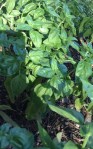


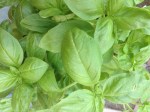

Basil is a culinary herb that has magical qualities. The different varieties add distinct flavors to dishes and drinks. You can purchase seeds for many varieties, but the most commonly used and grown is the Genovese. This very hardy herb does well in pots or in the ground. It is very tolerant of sun and thrives with minimal care. It is important to keep the flowers trimmed so the plant does not go to seed. The flowers have delicate flavor that can be used to flavor anything for which you would use the leaves. The blooms look good in cut flower arrangements, and will scent the room where they are displayed. A few common ways we see basil used are:
I love using basil in all of these traditional ways. When I find a really excellent tomato I always want to eat it with basil and fresh mozzarella. Pesto is used on everything in our house, not just for pasta. We put it on eggs, roasted veggies, potato dishes, rice, and sandwiches of all kinds. The bright green color and the bright flavor wake up any meal. I find that making a large batch with really good olive oil, roasted pine nuts, garlic and basil stores very well. I add the parmesan cheese at the time I am using it. This also allows a different proportion for each kind of use. The pesto is delicious without any cheese for those who prefer that. I have tried some really tasty cocktails that contain muddled basil for flavor. Here are some of my favorites:
That will give you some ideas to get started on your own basil concoctions to drink this summer. It is good with citrus, cucumber, and other herbs. Try a plain basil mojito to get yourself started. Basil is a prosperity herb, so you really can’t have too much of it in your food and drinks. Enjoy!
 mermaidcamp