mermaidcamp
Keeping current in wellness, in and out of the water
You can scroll the shelf using ← and → keys
You can scroll the shelf using ← and → keys

calamondin
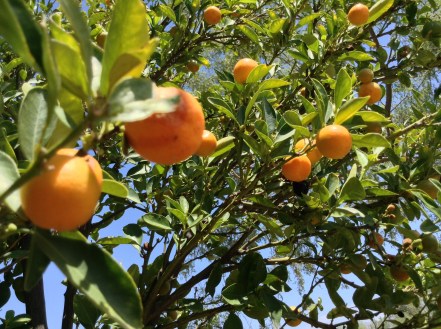
calamondin

calamondin
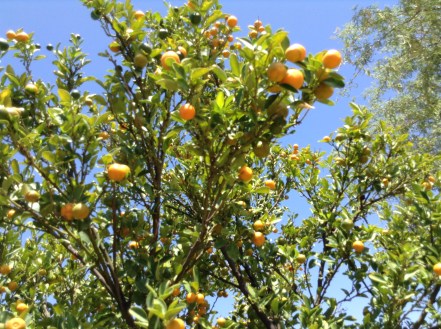
calamondin
One of the generous citrus trees in my garden is the calamondin. It bears fruit for many months which are useful and tasty. It is odd to have such a large crop in the middle of summer, but we had a very unusual winter in Arizona. The tree is loaded with ripe and green fruit in the middle of July, so we can expect to have fresh fruit until September. The tree comes from Asia where it is popular in Indonesian and other cuisines. It has medicinal as well as culinary applications. My next door neighbor is from Viet Nam. She told me they dry the peels in salt, which is later used as a remedy for sore throat. Other known medicinal uses include as a cure for constipation. Be advised about this one. We prepared a drink with water, honey and calamondin juice for my mom to drink on a car trip. She enjoyed it so much that she polished off a quart, which gave her a bad case of the runs. Moderation is important when you try the juice. I have made infused vodka just by soaking the fruits in it, which turns out very well also.
I have started making bitters. I have mad a batch of peach and one of apricot, both made from our own trees. The taste is interesting, whether you cook with it, drink it as a flavoring in fizzy water, or use it in cocktails. I am experimenting with new combinations, using a book to guide me about the proportions. Next I will whip up a batch of calamondin bitters, for which I am slightly altering the recipe the book gives for lime bitters. I think this will be a delicious way to make use of calamondin’s tart and unique taste. A little bit of bitters imparts big flavor to food and drinks. I adore the taste of limes, but the crop failed in Mexico this year and prices are sky high. Calamondin makes a pretty substitute. They can often be found in Asian markets if they don’t grow near your home. You can make simple syrups, bitters, or just juice the fruit fresh in cocktails. Here are some cocktail ideas to get your creativity started:

Bitters
I bought a hard cover copy of Bitters by Brad Thomas Thompson after reading about the history of this elixir and the revival of its popularity today. I have always enjoyed cooking with bitters and had only ventured out from Angostura to a couple of other flavors until recently. I saw some sampler sets and bought chocolate, key lime and lavender in small bottles to try. I also bought a fancy one from Scotland that I adore. Experimenting with these flavors in cocktails and in food (I always put some is soups) has piqued my interest in producing some of my own with ingredients from my garden.
The medicinal use of bitters has a very long history of curing headache, indigestion, stomach cramps and more. The herbs and fruits used create both the flavor profile and the curative values. Bitters and soda is the classic companion for rich foods and an abundance of alcohol. There are two kinds, potable and cocktail bitters. Potable are sipped straight up as a digestif, like Campari or Fernet Branca. Cocktail bitters are used to marry flavors in drinks or cooking. They balance and enhance the other ingredients to create a complex synergy.
The book is very well written and researched. The history, the prominent producers today, and opinions from bartenders are covered in the opening chapters. The complete recipes and instructions to create 13 different kinds of homemade varieties follows. Most contain gentian, others calamus root, hops and cinchona bark (the main taste in tonic water) as the bitter element. Fruits and spices such as ginger, allspice and cardamom are used. Since I have ripe calamondins on my tree I plan to follow the orange or the lemon recipe to make my first batch using the citrus I have. The technique is simple, involves vodka and soaking for a month, and seems pretty foolproof. The exciting part is that I have a new way to use my garden herbs and fruits that preserves their flavor and creates a unique product not available on the open market. Mr Parsons suggests a bitters exchange party at which friends gather, make the mixture, and return after a month to finish the process and bottle. I am happy I have just met a neighbor how wants to be my bitters buddy. We are going to make one that includes turmeric for inflammation. I don’t think it will take very long to become expert bitters makers, and since a small amount is effective it will be great to share batches of new concoctions.
The greatest part of the book is dedicated to cocktail and cooking recipes. Beautiful pictures, detailed instructions and a wide variety of new and old make this section of the book really fun to own in hardcover. I have read more of the drinks than I have tried, but am fascinated with some of the non alcoholic drinks like smoked lemonade in which the lemons are smoked for up to an hour before the preparation. There are some flavor ideas that will spark your imagination and creativity. It is the complete guide to the adventure of making and using these curative combinations. Santé!
The word cocktail originally meant a drink made with bitters and distilled spirits, but this has changed over time. There are many versions of how the name was derived, including a drink that was served with a garnish of feathers from a rooster. The bartender was more of a pharmacist, and the elements of the drinks were medicinal in the 1800’s. Morphine and heroin were sold on the open market and included in patent medicines in the early 1900’s, so mixed spirits were hardly the most dangerous potions one could use at that time. Bitters were concocted by bartender/pharmacists with the herbs and fruits they had on hand, with whatever knowledge they possessed about the healing qualities of those plants.
Today Angostura and Fee brothers are still producing bitters from ancient recipes while other new producers are entering the commercial market. It is easy to make your own bitters with flavors that work for you. I made a citrus vanilla infusion using an Alice Waters recipe and our organic grapefruit and Meyer lemons this winter which is delightful and has inspired me to dabble in bitters. The process is simple. Add flavors to vodka which is stored in the dark and shaken regularly for two weeks. Strain the herb/fruit/flower mixture and boil it in water to create a strong tea. Store both the vodka infusion and the strong tea for another two weeks, shaking the herbal tea frequently. Combine the tea and vodka after removing the solids and you have bitters. There are several mixtures of flavoring and bittering agents that appeal to me. I think I will make peach bitters when my peaches get ripe just to get started. The bitters can be used in non alcoholic drinks as well as in cooking. I often use Angostura bitters in food. It adds depth of flavor with great subtlety. I did not drink or make cocktails until about 3 years ago but I have become a student of the history and resurgence of the art of mixology. I enjoy seasonal fresh ingredients and the creativity of trying new combinations. What is your favorite cocktail, Gentle Reader?
 mermaidcamp