mermaidcamp
Keeping current in wellness, in and out of the water
You can scroll the shelf using ← and → keys
You can scroll the shelf using ← and → keys
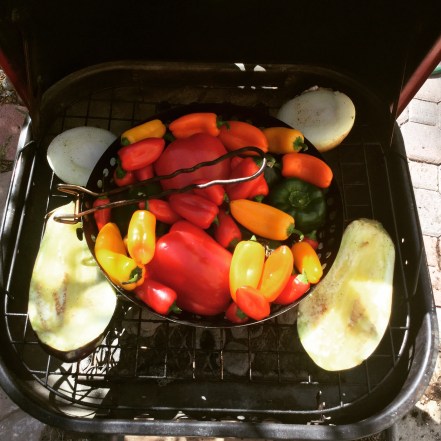
grilling goodness
I am extremely happy to see the popularity and creativity devoted each week to #MeatlessMonday. This idea is catching on fast with all kinds of people. I am not sure why this trend has caught the attention of everyone. Do they notice because they want better health, the end to the suffering of the animals, or because they want a better outcome for the planet? Whatever it is, the world is starting to understand the benefits of plant based diets. When I gave up eating animals in North Carolina in 1969 I was viewed as subversive at the very least. I have eaten some fish and a few bites of a chili dog (circa 1970) since my decision on Easter of 1969 to become a vegetarian. Since that time the regular diet of my fellow Americans has steadily slid down a very unhealthy slope of factory farming and addiction to foods and drinks devoid of nutrients and full of chemicals.
I credit my good health to my dietary regime, although it has not been perfect. Too much strict avoidance of anything sets up a magnetic attraction to the forbidden. Meat is not forbidden for me, but I would never want to eat a dead animal. I still eat dairy, honey and eggs although I do see the vegan alternatives as better and worth trying. I do make more vegan cuisine than ever before, and may someday embrace it fully. For now, Monday will suffice for inspiration and dedication to the vegan cause. What I love about this trend is the ease with which anyone can find information, recipes, and guidance. I love the website TryVeg.com, full of helpful tips for anyone interested in the subject.
I have never found that bugging people to follow my diet was an effective way to approach this. I am a great cook, and would rather seduce them with gourmet succulence than beat them over the head with the cruelty issue. I encourage you to find a recipe today, or any day, under the hashtag #MeatlessMonday. See why the vegans are all the rage. Bon Appetit, gentle reader.

Swami’s
Southern California is a wonderful place to visit. I am lucky enough to be on a road trip with a friend who is doing all the driving. We are exploring some places that are new to both of us, then going to a hot spring to spa down before returning to Tucson. I have some aversion to driving here, but since I have been freed from the task I am really enjoying the trip. There are still hippies here. It is much hotter than I have ever known it to be, so many of the Californians are freaking out. I am used to hot weather, but this is the strongest evidence I have experienced for global warming. The beach sand burns your feet, and the ocean is amazingly warm. The drought is obvious everywhere. If any group of smarties can solve the water problem with science and technology I suspect that group would be in California. I hope science will save the day so we can all continue to eat produce, drink wine and come out here to the beach.

sunset
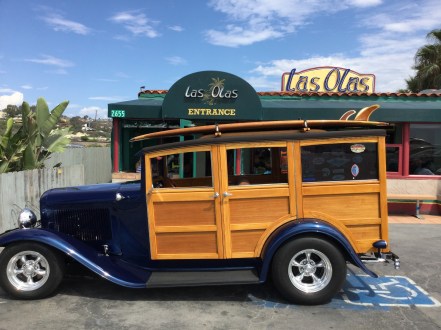
woody
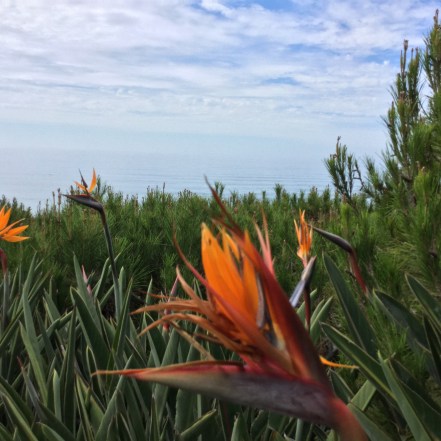
bird of paradise
Mark Bittman is a foodist supreme and an omnivore. He and Anthony Bordain are my food persona idols. Although they both do eat all manner of animal products, they do it in awareness. In this TED talk Bittman details the history of eating and agriculture in America that has brought us to this point. I am about his age so I relate totally to the diet he describes on his childhood table. Like him, I was inspired my mother’s God awful cooking to learn to cook early in life. Unlike him, I became a vegetarian at the age of 19. In 1970 in North Carolina I can assure you that vegetarianism was completely foreign as a concept. My diet was not yet healthy, but it was mostly homemade. I was a baker of biscuits and bread. I was lucky that my roommate had mother who sent us really tasty canned produce from her garden in South Carolina. Over time I met vegetarians for health (from northern California, of course) and improved the ingredients I used. I garden and enjoy cooking and eating produce now, but my learning curve has taken place in a time when all agriculture has become progressively less healthy. I hope you will have time to listen to Bittman’s excellent talk, but if you need a summary here it is:
 mermaidcamp