mermaidcamp
Keeping current in wellness, in and out of the water
You can scroll the shelf using ← and → keys
You can scroll the shelf using ← and → keys
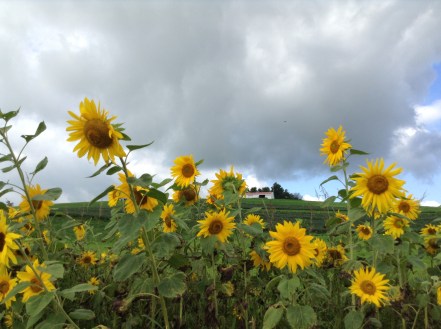
field of sunflowers
Early years fill with nursery rhymes, stories designed to teach
Suspended between fictional characters dialog is made to preach
Current popular opinion, political outrage hidden between the lines
The villain and the hero match wits whilst the wicked witch opines
These morality plays change very little with the passage of time
Forces of good conquer evil and the story is set to rhyme
When you meet a character who comes straight from Mother Goose
You have discovered archetypal imagery that will help you to deduce
If you are the victim or the hero, the popular victor or the slimy creep
We all have parts to play, ego hiding under shadowy cover of sleep

field of sunflowers

NaPoWriMo 2015
The poetry train has almost arrived at the destination…May. Hop aboard for a poetic ride here.
From the time we learned our first Dr Seuss rhyme we were being educated by poets. Nursery rhymes and fairy tales are used to teach morals and ethics to children. There is value in the use of language to enchant and stick in the memory. Poets are feeding the artistic as well as the language skills of readers. Our own stories can only be told by our own voice. To develop a voice as a writer or a poet one simply needs to start. Children are ready to rhyme and laugh at almost any word. Adults often loose enthusiasm for word play as they grow older. Since poetry stimulates creativity, and is a tool to jog the memory it makes sense to read and write poems. Often hidden meaning can be found in song and story, as it is in Calypso. Political protest can be carried out in a rhyme using allegory to mask the obvious. Some of our nursery rhymes today were once hot treason against authorities. What kind of symbolic words would you use to write a poetic protest today?
 mermaidcamp