mermaidcamp
Keeping current in wellness, in and out of the water
You can scroll the shelf using ← and → keys
You can scroll the shelf using ← and → keys
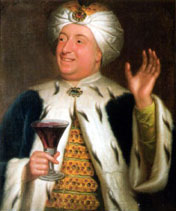
Sir Francis Dashwood
The word dilettante is derived from the Latin word delectare, to delight. The English word came to us from Italy, and originally had no negative connotation. Any person who loves art, sports, or cooking, for example, can launch a happy career as a dilettante. Amateur is a word that indicates love for a subject. I have no problem embracing the novice in myself. One does not need professional training or certificates to be delighted with a pursuit. This archetype seems to be blooming today with all the new ways to share our art work, recipes, or other accomplishments. I am comfortable with this surge in creativity. The shadow characteristic of the dilettante is a tendency to be superficial and shallow. We have all met this person who pretends to know, or sets themselves up as a master without foundation.
I think the meaning was turned on it’s head by the Dilettante Society, a club formed in London in 1734. Initially the society had a mission to transform public taste by supporting and importing arts from Greece and Italy. All of the original members had been on the Grand Tour and were wealthy. Sir Francis Dashwood was the first leader of the club, and an all around prankster. These rich Brits were the embodiment of the shadow of this archetype. They did a lot of boozing while they traveled and launched art and architecture studies. The Dilettantes of today are working to revive respect for those who dabble. After all, if you don’t attempt new things as an amateur how will you find out if you have talent for them? In support of this new wave I plan to show up for pickleball practice, a team sport at which I will, no doubt, suck. I have not been a team sport player since whiffle ball in the yard in elementary school. If I can’t cut the mustard on the court, I can always be a cheerleader.
 mermaidcamp