mermaidcamp
Keeping current in wellness, in and out of the water
You can scroll the shelf using ← and → keys
You can scroll the shelf using ← and → keys
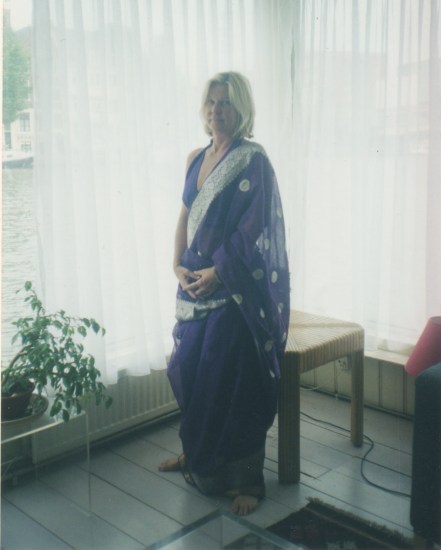
Being Blonde
Our bodies serve us as the vehicle with which and for which we live our lives. If we are strong, flexible, ambidextrous, and well coordinated we are likely to feel good and be healthy. Improving diet and exercise habits can bring about changes in attitude and vice versa. The key to being the best body you can be for your whole life is unconditional gratitude for the body you have now. You may train to become more graceful, more balanced, or more relaxed, but you must work with what you have. Start by loving your skin and everything inside of it. An understanding of basic anatomy is helpful in cultivating well-being. Learning about customs of folk medicine, healing techniques, or diets of foreign cultures can expand the options for self care. Knowledge and understanding are not the key ingredients in radiant health. Acceptance and love for all the ways your body serves you are the foundation on which strong healthy lives are created. What are the different aspects of our physical realm?
The body contains all these different ways of sensing life. Poise, grace, and fitness result from practice. Practice requires focus of mind and body to achieve results. To refine our movements as well as our thoughts we need training. Staying fit and flexible may be the best way to avoid injury. Feeling healthy does uplift the emotions and add to self confidence. Self image is a strong determining factor in the way health is pursued. To clean up and clear up some possible issues from the past answer for yourself these questions:
If you reflect well on these questions and your honest answers to them you may reach some enlightenment. Your thinking, feeling, remembering, and sensing selves can invest in better habits when they are grounded in a healthy self image. First do no harm to your own idea of your body. From there it is possible to heal misguided thoughts about wellness and self care. We deserve the best we can give our bodies for as long as we are in them. Clearing away false judgements from the past makes way for positive changes.
Learning about archetypes has taught me to look at life more closely, and free myself of some old restrictive self images. We all play different parts in our own lives. As we age our desires naturally change and our personalities become more complex. In our history we can discern times when one role has been the dominant one, giving way to another as time passed. Some of us never outgrow our rebel, and some are artists whose latent talent is not discovered until a ripe old age. We all have within our psyches a child, a victim, a saboteur, and a prostitute that are brought to the spotlight by different circumstances.
Plato called this phenomena forms. Carl Jung coined the phrase and defined basic archetypes. He taught that these pure images arise in dreams and in reality as a result of the collective consciousness. Carolyn Myss has evolved the work to include many more archetypes, and has created books, cards, and courses to teach the concepts. It is a powerful practice to draw a timeline of your own life and remember when you encountered strong archetypes in yourself and other people, and how that may have been repeated. All religions use archetypes to teach lessons because they are memorable. The archetype in my first house is the hedonist. When that hedonist is good she is very very good, and when she is bad she is horrid. Such is the case with all of these eternal and universal roles. They have both a light and a dark side. The possibilities are endless. Do you have a strong dominant role you have played throughout your life?
bloom
The era of likes with mouse clicks has ushered in various forms of approval that may or may not be sincere. Approval requires judgement and investigation. False approval requires nothing but a click on a button. This false world of endorse, like, share is the nightmare underlying quid pro quo SoMe relationships. I know people on various platforms with whom I almost always agree, and others with whom I never agree. This is not so different from daily social life. Social clicks, clubs and groups in real life at least have the opportunity to see each other engage. Some avatars and auto retweeters my be the social media equivalent of codependent. They thrive on false acceptance and deliver the same to others. They both spend and accept the fake currency of unfounded and insincere mutual praise.
Experience teaches us how to avoid being spammed or interrupted by endless chatter as we learn the ropes in social media. I openly joke around with my social media image, freely admitting I edit out any content unflattering to me. Everyone does; nobody uses a personal platform to highlight the worst in themselves. In the past mad men produced media to sell to consumers. Today we are all both the consumer and the media producers. Much ado has been made about the commercial value of this new influence horizon. I agree that consumers benefit form the vast array of information available to them today. The social influence and digital bonds of personal branding may be insidiously damaging as well as lucrative.
The unintended consequences of the digital edited public persona create havoc with the self image and the soul. Being fully present in a community or personal relationship is a high standard to keep. Making basic decisions today about budgeting time and resources is generally stressful. Conscious deliberate action will make the difference between finding a happy medium and wasting precious time creating delusions. It is a brave new world. Caveat emptor.
 mermaidcamp