mermaidcamp
Keeping current in wellness, in and out of the water
You can scroll the shelf using ← and → keys
You can scroll the shelf using ← and → keys

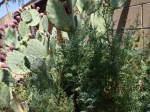
When the Pope sprinkles holy water he dips it in a branch of rue. Ruta graveolens is used medicinally as well as ceremonially. In ancient Rome there were celebratory foods prepared with rue. It is poisonous in large amounts and should not be consumed by pregnant women at all. There is a homeopathic remedy that is very popular made with this plant. Mexican folk medicine prescribes leaves of the plant stuck directly into the ear to cure an earache. In gardening it is prized for its ability to repel insects from the area where it grows, making it a very good companion. I grow it at the back of my garden by the gate because it is a protector plant. It repels any unwanted attention, human, insect, or otherworldly.
The prophet Mohammed blessed this herb and none other. Early Christians used it to exorcise evil spirits. During the Middle Ages it was hung in the doorway to repel evil, the plague, and witches. Italians had a custom of adorning a silver amulet shaped like the top of rue plant, a cimaruta, with symbols of fertility. This magical charm was used to protect the user against the evil eye. Medicinal uses as well as magical ones have been recorded for centuries, but the way I like to use it is in the bath. Make a sachet of rue and create a strong tea in the bathtub by brewing in very hot water for 10 minutes or so before adding water to hit the bath temperature you desire. To add an extra helping of magic to this bath I spread honey on my face and leave it on while I soak in the tub. After rinsing the face feels very soft and the entire body, as well as the aura, is clean and clear. These baths are great before a meditation session or a creative project. Clearing and protecting are positive ways to influence your moods, your focus, and your ability to rest and relax. If you need protection from evil, or just from too much stress, try a rue bath.
CP- U must see Ironclad 2011 Purefoy. Even better Templer portrayal. Very good flick I thought. I must check its version of history. CR
LikeLike
Cool, I am into the Templar history and know very little. Thanks you for the tip, CR
LikeLike
Thanks Pamela, I learn a lot from you. I like plants a lot and learn about their use. Moreover, I am often forced to check the dictionary for the name of plants. Good for my English, too.
LikeLike

Latin always works for plants..the Germans used this herb a lot and planted it in their gardens.
LikeLike
This one tells what King John did after he signed the Magna Carta. I really did not know before the film. A dark portrait of John. The protagonist was a Templar Knight named of all things “Thomas Marshal”! Wow! History generally seems to support film’s message but there probably was some poetic license. A flattering portrait of the Templar Knight. I know the Templars were not perfect but it would be hard for anyone to be worse than John I.
LikeLike

The kings are all a blur except for a couple of them..I could start to get some detail with John I..very pivotal time in history. Thanks Rick.
LikeLike
hard for me to believe they are a blur to you….
LikeLike
It does repel aphids, and leafhoppers 🙂
LikeLike
and the plague..thanks for visiting.
LikeLike
Rue always makes me think of Ophelia in Hamlet – such a sad poem
There’s rosemary, that’s for remembrance; pray,love, remember: and there is pansies. that’s for thoughts. There’s fennel for you, and columbines: there’s rue for you; and here’s some for me: we may call itherb-grace o’ Sundays: O you must wear your rue with a difference. There’s a daisy: I would give you some violets, but they withered all when my father died: they say he made a good end,-
LikeLike

wow, good one Fiona..very symbolic
LikeLike
That’s a pretty cool plant to have around. I love how you set up a recipe to clear one’s aura!
LikeLike


 mermaidcamp