mermaidcamp
Keeping current in wellness, in and out of the water
You can scroll the shelf using ← and → keys
You can scroll the shelf using ← and → keys
Frost Moon Fun on Empire Avenue this weekend. Join the Gangstas for some socially acceptable lunacy.

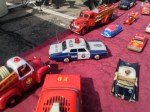
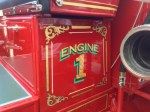
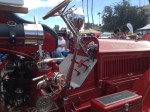
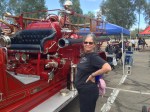


Yesterday I met Canine Officer Evo of the Tucson Police Department. He and his human trainer were at the Cops and Rodders Car Show. This free annual event is sponsored by the Tucson Police Foundation. My partner Bob always brings his antique VW bug to be in the show and I always attend. This year was graced with perfect weather and some really artful vehicles of every kind. My favorite collection this year was old firetruck and cop car toys that a regular exhibitor brought just do try something different. It was also especially lucky because the restored firetruck that normally sits in the lobby at station one permanently happened to to out for some kind of repair, so the retired firefighter who works on this beauty drove it over to the park to be in the show. I love all the firetrucks. They are spectacular works of mechanical art. I was thrilled to have a chance to meet and ask questions of the retired firefighter who has done the body work on these antiques and is rightfully proud of his work.
The police are set up to meet the public and answer questions all day. They are divided into specialties according to training and equipment they use. The SWAT team is very popular because the robots interact with kids and pass a bottle of hand sanitizer, etc. They dress up in jumpsuits and stand next to their big vehicle. The helicopter lands and the crew hangs out all day. People love looking inside the cockpit and meeting the cops on our local beat, since they are usually flying over us shining big obtrusive lights around our hood. There is a booth with their heavy military artillery, a place with TPD recruiting information. At the end of the display I spotted a woman wearing a walking patrol uniform. I asked where she gets to do that, and the answer was downtown and 4th Avenue, a more urban part of town. The same officers do bike and walking patrols. We had a few in midtown and really wanted more on duty here, but they were canceled. Now we have no boots on the ground in midtown, which we regret because air support can only accomplish so much without a coalition on the ground to hold the territory. We have the helicopter on a very regular basis, but are not comforted by our relationship with it. It does not make any sense to us to cancel bike cops because the budget is too tight, and use the helicopter instead. There is such a thing as efficiency. I was feeling annoyed, as I often am, at the priorities (or total lack thereof) of government spending when I saw him, everything I have ever wanted in a police officer.

Evo rules
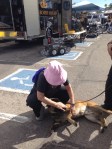
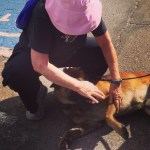
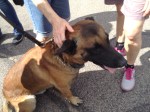
The canine unit has only 10 dogs. Not all of them are social, and therefore would not be brought out to meet and greet the pubic. Evo, however, is a total party animal. I had no idea they were loving, or that they even were allowed to party with the public. Imagine my surprise and delight when I came down to his level to say hi to him and was given big fat kisses all over my face. He just would not stop with the kissing while he showed me his tummy. We played for a minute and I fell deeply in love with him while his other fans waited to meet him. From little kids to adults, he charmed the humans as no other cop there had the power to do. His trainer opened the back of his car so his fans could see how he rides and answered the millions of questions we had. A very loud and aggressive lemonade vendor came by shouting out his wares. He meant no harm, but his shouting voice was out of place. Officer Evo did not bark to react like a pet dog might, but you should have seen him come to attention. His ears went shooting up and he left his PR job completely to focus on the risk the lemonade guy might pose. At that moment he displayed situational awareness the humans just can’t achieve. He had been there winning hearts and minds since 7:30 am when I met him about 2 in the afternoon. He showed infinite patience and stamina. Of course he is much younger than the human cops. He is only 4.



I learned a lot yesterday even though I just went to see the vehicles. I came away with the following impressions:
I would like to see more paws and boots on the ground in midtown. Can I get an Amen?? If you don’t live in Tucson, gentle reader, then this may not seem to apply to you. Your city may also do inappropriate law enforcement stuff rather than more effective stuff just because they can. If they don’t, you are fortunate.
Japanese Halloween costume contest on a train
Too much pressure on Japanese parents results in banned char-ben lunches
On 7th Street near 4th Avenue in Tucson stands a Moorish style building complex that has housed a dance/movement/or yoga studio as long as I can remember. Today the space is serving as a gallery, coffee shop, and farm to table restaurant as well as providing space for movement classes and other events. Today I tried Food for Ascension for the first time and I am very happy I did. This place has several qualities that set it apart from other restaurants in the area. The fact that all the food comes from no more than 150 miles away is notable. The pure plant based recipes sometimes include eggs, but substitutions can be made for vegans and the gluten free people. The menu is short but several daily specials as well as a good selection of small plates provide more than enough variety. I could not choose, so I ordered two entrees knowing I would bring some home with me. Servings were generous. My server suggested the half order of biscuits and gravy because she could tell I was going to have plenty of food. She was right about that.

biscuits and gravy
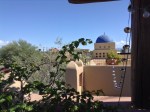
She brought a bottle of water, which I always appreciate, and I enjoyed the wonderful view while a waited for my root and seed burger. At this intersection it is possible to see a least a little of three different mountain ranges that surround out city. Being upstairs to dine is truly a pleasure, especially when the weather is perfect like it was for lunch today. The domes and the downtown skyline view, along with 4th Avenue bustle make ascension to the upper deck a super treat. Perched above the noise of the street with plants and servers who make you feel very well attended is like finding a secret hide away in downtown. I plan to go often to try everything on the menu.
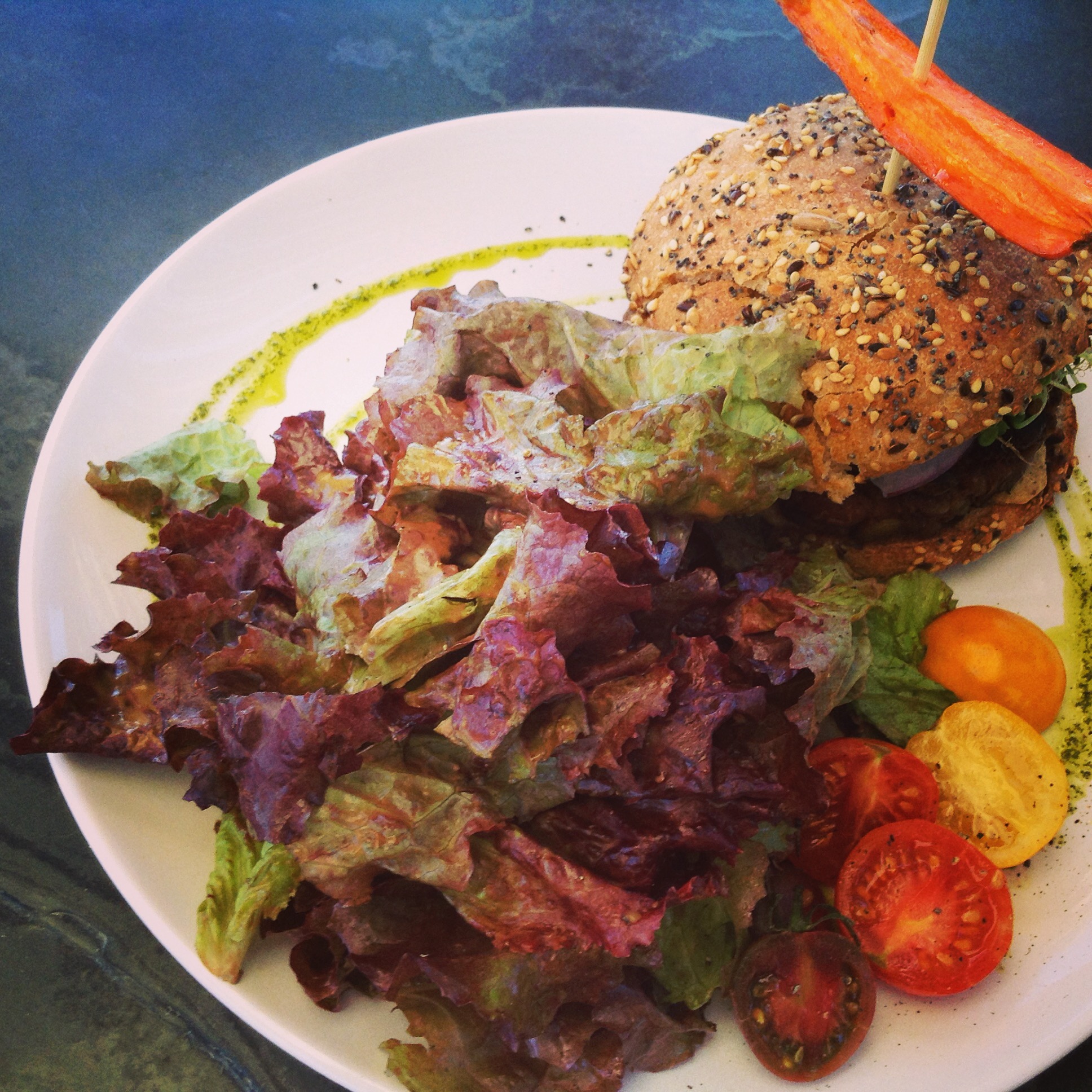
root and seed burger
I can report that the innovation and care is obvious in the food preparation. Both burger and biscuits arrived hot and beautifully presented. I made my way through about half of each of them, and was super satisfied as well as stuffed. The root and seed burger had great texture, unlike the mushy veggie burger that can sometimes happen. This flavorful version had a nice char and crust on the outside which is a big plus. The fresh greens on the plate had a lemon vinaigrette dressing that made it work as a salad, but also was tasty when applied to the sandwich as extra stuffing. The oyster mushroom gravy on the sage biscuits was delightful. The sage flavor is strong in the biscuit, but it is complimented perfectly by the rich gravy. It is highly evocative of Thanksgiving, with no turkey involved. I loved both the dishes, and may have trouble choosing between them the next time I order. I packed the rest..well, the gravy was kind of gone…to take home for Bob to taste. I am excited to return with him next time because I know he will like it, and they do have some very rich desserts on the menu that will make him happy. I was way too full to try any of that today. I have found a new favorite spot, and am a little surprised it took me so long. Food for Ascension has been open for about a year. If you have a chance to try the food, as well as the fabulous ascension, I recommend it. Take the upgrade, Tucson!


Professional pumpkin carving has reached a high level of skill and art. I admire food art of all kinds, and am used to seeing intricate melons and fruits carved by Asians into extremely detailed shapes. Now we can boast of our own home grown American food carver who creates extreme masterpiece pumpkin carvings. While others are hoisting and throwing them Ray is turning the autumn symbols into amazing sculptures. Like a sand mandala, a pumpkin sculpture is born to die. The ephemeral nature of the craft makes it all the more special. Ray shares his technique with kids in school in hopes of nurturing the next pumpkin Da Vinci. If you have considered carving a jack o lantern this year, why not attempt a bust of your mail carrier, or of your child’s teacher? Good luck! Happy Halloween, Gentle Readers.
October brings ancient celebrations and rituals to life. Samhain, Halloween, Guy Fawkes Day,as well as Divali, fall at the end of October and beginning of November. They have in common ritual use of fire as part of the celebrations. As we enter the darkest part of the year in the northern hemisphere we honor the dead and invite them to partake in their former earthly pleasures. Day of the Dead is only one of the cultural holidays designed around remembering. The season is the right time to let go, to clean, clear, and remember. This is possible without any formal outward practice. You don’t have to dress up or build an altar to honor this change of season.
We all go through dark times in life. Lighting up the sky with fires and fireworks reminds us of energy shared, passed on, and finally no longer needed. You don’t need to be religious to understand the sacred nature of the inheritance of our human life. To be able to walk on the earth is not a small gift. Without the generations that survived before us we would not exist. We may notice a feeling of guidance from the ancestors, or simply a reverence for those who created our existence out of their own. I sometimes feel a deep sense of regret when I consider the lives of my ancestors. Who knows if that comes from me or from them. What can be known is that our connection to our ancestors is permanent. What we can learn from knowing about them and from imagining the way they lived gives us some insight into our own strengths and weaknesses. The ancestors know about those strengths and follies because they had them before we did, under different circumstances. I believe they would like for us to learn from their experiences.
Clarkdale, AZ
I bought the audio book Falling Upward at the suggestion of a fellow student at a conference I attended last June. I encountered the contemplatives for the first time, and had a lot to learn from them. James Finley guided us for a meaningful and educational weekend. I owned an audio book by Dr Finley and Carolyn Myss covering the subject I have already heard at the conference, transcending trauma. This complex idea deserved a review, so on my recent car trip I listed to the trauma book to deepen my understanding. On my trip back home I decided to hear Richard Rohr read his own book, Falling Upward. I started from Clarkdale before dawn and arrived in Tucson about 10 in the morning. Most of the drive was really scenic, but even Phoenix traffic was bearable because I was enjoying the book so thoroughly. I have one disc still to hear, but I am fully ready to recommend this book to anyone, especially to those over 40. This is another way to look at retirement planning, from a spiritual perspective.
Falling Upward explains spirituality as it pertains to the two halves of life. In other words, humans are involved in the giant birth/death/recycle action of the universal field. There is a time for building up, and a very appropriate time for breaking down. All of nature does this constantly. Although Mr Rohr is a Franciscan and a Catholic priest, his point of view is not all presented from a theological stance. He knows history very well and uses his experience in the study of initiation rites of native people around the world to draw large conclusions. His conviction is that humans are capable of taking a grand excursion of the soul. He reminds us that all saints and holy figures leave home on a big crazy journey, only to return to home. The journey represents necessary suffering that teaches the mystery beyond the suffering. In the second half of life this death of the perceived self, or being in the world but not of it, can lead to enlightenment. In our culture many of us cling to the structures we built in our youth as if there is nothing greater or beyond our own creative control. Falling Upward involves letting go to the point that previous reality fades from view as we float to our intended home in eternal bliss. Sound kooky??? Well, it is. All the saints and prophets were considered to be out of their minds. Many were killed. Before the truth sets you free it generally makes you appear to be crazy.
I like to hear authors read their own books to me. I feel like it becomes more personal. This one is very special because I had never heard of Richard Rohr before his fan told me about him last June. Now I am a huge fan too. I invite you to listen, gentle reader. I could make a big difference in the end.

Falling Upward
The Verde Valley north of Phoenix has a very interesting history. I had not visited the area for years and had read about the popular wine trail as a destination. I decided to spend a night in the restored historic section of Cottonwood. It is charming and very laid back. Folks are friendly, and most of the merchandise I saw on offer was of high quality. There are several antique dealers with very large inventories of interesting items. There are excellent restaurants and plenty of wine bars for tasting or evening entertainment. The wineries are doing good business here selling mostly limited small batch varieties. I did a tasting at the Burning Tree Cellars that I enjoyed. I liked all of the reds I tried, to my surprise. The Arizona wine industry has vastly improved the quality of their products in recent years. Some of the Burning Tree wines are made from California grapes, but made and bottled in Camp Verde, AZ. Arizona can be proud of our wine now. It has come a long way, baby. The walkable downtown makes tasting here a breeze. There are four upscale wineries located in a two block area, all very popular.
I don’t drink much wine these days, but am always immersed in history. I like to learn everything I can about places I visit. Knowing what happened in the past brings the place to life for me. I was unaware that Cottonwood had such a famous and checkered past. This tiny town was the bootlegging capitol of the state in the 1920s. There were tunnel systems below the streets leading from one storage place to others. The typical establishment had a pool hall, a barber shop, or another small business in the front and liquor sales in the back of the building. The tunnels were connected to homes and shops, as well as to automotive garages. Cottonwood bootleggers were supercharging cars and filling them with liquor to transport out of the area. It is said the garages had two tanks on the street out front, one with gasoline and another with hootch. Al Capone was once held in the local jail and there is a carving of his name that still remains. A still blew up and caused a very large fire that destroyed many wooden buildings in 1925. I learned all this and more when I took a short walking tour with Karen Leff, Cottonwood businesswoman and enthusiast.
I entered the lobby of the Cottonwood Hotel and found Karen, who is the owner, at the reception desk. She has made a study of the town’s history by questioning old timers who remember, and looking up documents and newspapers from the past. Her knowledge is extensive. She shares it by leading tours for interested groups by organizing Custom Cultural Heritage Tours. It was my lucky day because she had a short window of time to give me a quick version of her walking tour. I had a wonderful time touring some of the rooms in her hotel before we walked around to see the places the bootleggers made famous. Mae West did stay at the hotel, and a charming suite dedicated to her memory is one of the choices for accommodation. The small former rooms have been updated and expanded for modern taste. The balcony is a treat because it gives a full view of Main Street below. The view came in handy for a group of bank robbers who checked in. I fully enjoyed my time learning about history and some present day ghost stories as well. If you are in the area I fully recommend one of the tours Karen offers. She is in love with her town and it shows. You will get in touch with the spirit of the past by looking around historic Cottonwood. Karen added greatly to my appreciation of the town.