mermaidcamp
Keeping current in wellness, in and out of the water
You can scroll the shelf using ← and → keys
You can scroll the shelf using ← and → keys
Do you know places, people, or even things that have a healthy, restorative feeling for you? Some spots have been used as healing centers for centuries, acquiring a reputation and a following. Sometimes a professional office space or treatment room can resonate with peace and calm. Waterfalls are typical places that we imagine when we are seeking a retreat from stress and pain in daily life. Some of us reserve space in our homes dedicated to meditation, contemplation, or exercise. Altars at home are reminders of practice, devotion, and connections to spiritual beliefs. I have always been a big fan of visiting hot mineral springs to center my attention on nature and soul. Submersion is both literal and symbolic in healing waters.
I have gone to great lengths and spent a pretty penny to be in healing waters, treated by gifted therapists, relaxing in spectacular places in nature. The concept of healing travel, or wellness retreat must involve a capture of that serenity or wholeness to bring back to the daily practice. Perhaps in calm circumstances one can master a new meditation technique or discover new ways to practice. Maybe while the agenda is clean and clear one can let go of emotional and physical clutter that has daily life fully jammed. Travel to a different location does not guarantee a retreat or a lifestyle change. It is possible, and maybe even preferable, to turn normal living into a health reforming adventure. Finding calm, creating depth, and mastering the art of stress reduction can be practices we include in our routine.
To enter a new lifestyle, a healthier diet plan, a new willingness to live happily, we need to feel confidence. What are ways you establish a meditative, healthy, confident mood? Here are some ways I have tried that work for me:
Don’t wait for your vacation days to move into your personal health retreat mansion. Pick up the keys and live in your own healing presence. Build your confidence while you enhance your surroundings for a healthier, happier outlook.

Bitters
I bought a hard cover copy of Bitters by Brad Thomas Thompson after reading about the history of this elixir and the revival of its popularity today. I have always enjoyed cooking with bitters and had only ventured out from Angostura to a couple of other flavors until recently. I saw some sampler sets and bought chocolate, key lime and lavender in small bottles to try. I also bought a fancy one from Scotland that I adore. Experimenting with these flavors in cocktails and in food (I always put some is soups) has piqued my interest in producing some of my own with ingredients from my garden.
The medicinal use of bitters has a very long history of curing headache, indigestion, stomach cramps and more. The herbs and fruits used create both the flavor profile and the curative values. Bitters and soda is the classic companion for rich foods and an abundance of alcohol. There are two kinds, potable and cocktail bitters. Potable are sipped straight up as a digestif, like Campari or Fernet Branca. Cocktail bitters are used to marry flavors in drinks or cooking. They balance and enhance the other ingredients to create a complex synergy.
The book is very well written and researched. The history, the prominent producers today, and opinions from bartenders are covered in the opening chapters. The complete recipes and instructions to create 13 different kinds of homemade varieties follows. Most contain gentian, others calamus root, hops and cinchona bark (the main taste in tonic water) as the bitter element. Fruits and spices such as ginger, allspice and cardamom are used. Since I have ripe calamondins on my tree I plan to follow the orange or the lemon recipe to make my first batch using the citrus I have. The technique is simple, involves vodka and soaking for a month, and seems pretty foolproof. The exciting part is that I have a new way to use my garden herbs and fruits that preserves their flavor and creates a unique product not available on the open market. Mr Parsons suggests a bitters exchange party at which friends gather, make the mixture, and return after a month to finish the process and bottle. I am happy I have just met a neighbor how wants to be my bitters buddy. We are going to make one that includes turmeric for inflammation. I don’t think it will take very long to become expert bitters makers, and since a small amount is effective it will be great to share batches of new concoctions.
The greatest part of the book is dedicated to cocktail and cooking recipes. Beautiful pictures, detailed instructions and a wide variety of new and old make this section of the book really fun to own in hardcover. I have read more of the drinks than I have tried, but am fascinated with some of the non alcoholic drinks like smoked lemonade in which the lemons are smoked for up to an hour before the preparation. There are some flavor ideas that will spark your imagination and creativity. It is the complete guide to the adventure of making and using these curative combinations. Santé!




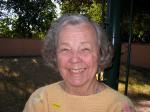
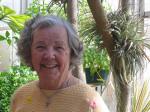


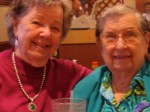
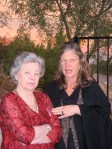
Ruby Lea Taylor was an orphan from Humble Texas who married my dad and escaped poverty. She never intended to look back or return to her roots. She visited her siblings, but retained distance both geographically and philosophically. She was ready to go anywhere at a moment’s notice, and adventured into anything my father proposed. They were world travelers and jet setters before there were jets. I always thought my parents were heavily repressive when I was at home, but in retrospect I know they came a long way, baby. They even tuned in turned on (with alcohol) and dropped out in the 60’s to travel around the Caribbean. They surprised me when they moved to Texas so my father could take up computer science before there was really any computer science. Ruby was a pioneer environmentalist while my father was busy perfecting fracking. She had a very green thumb, and followed first lady Ladybird into the Clean Up America campaign. Her love of gardens, botany, and flowers lasted a lifetime. When she was near the end of her life she adored spending time in her garden, and all other gardens. She died at home in Tucson, right around the corner from where I live now. The college aged girls who live in her house now told me they have a ghost, and that she is friendly. They say she likes to dance and party. That would definitely be my mother. I am pleased she has those college girls to keep her entertained. She doesn’t visit us because we are probably not lively enough for her.
The liberator serves others in political and sometimes military capacities. Freeing others from injustice and adverse conditions is the role played by the archetype. The words terrorist and liberty have been used and diluted to the point that we are weary as well as wary of news of political freedom. Shadow liberation is often substitution of one violent group for another equally intolerant one. The kidnapping of the school girls in Nigeria has galvanized world opinion on the need for urgent action to find and free them. Jesus, Muhammad, and Buddha were liberators in their places and times in history. The goddess Tara is known as the swift liberator because her nature is to answer very quickly when she is called.
Mantra is a way to meditate and call on Tara to teach us to be free of the 8 fears. Green Tara is pictured with her right foot in front of her because she is symbolically ready to hurry to those who call her. If sound meditation is new to you, the power of it may come as a surprise. We need the swift and sure guidance of Tara to reach the girls and bring them to safety. The mantra above is easy to learn, but even if you simply listen with the idea of freeing the kidnappers as well as the girls from the situation, it is positive. Please join us, gentle reader, to #BringBackOurGirls. Let us create a worldwide mantra of liberation that will reach into the African jungle to bring them home.
This is how steel is turned into feathers. Jerry W Harris is a sculptor in Tucson Arizona with a special affinity for birds. His realistic aviary is not only anatomically correct, but also portrays action and interrelationship in every piece. He is working on a sculpture in which one quail will be taking off to fly. It is fascinating to see the process of making the heavy metal appear to be as light as feathers. It requires awesome skill, and as he explains, some knowledge of worthy shortcuts. He has perfected his realism by study of bird anatomy. He is serious about details, including realistic behavior. I think it is fun to watch the detail as it takes shape.
The word cocktail originally meant a drink made with bitters and distilled spirits, but this has changed over time. There are many versions of how the name was derived, including a drink that was served with a garnish of feathers from a rooster. The bartender was more of a pharmacist, and the elements of the drinks were medicinal in the 1800’s. Morphine and heroin were sold on the open market and included in patent medicines in the early 1900’s, so mixed spirits were hardly the most dangerous potions one could use at that time. Bitters were concocted by bartender/pharmacists with the herbs and fruits they had on hand, with whatever knowledge they possessed about the healing qualities of those plants.
Today Angostura and Fee brothers are still producing bitters from ancient recipes while other new producers are entering the commercial market. It is easy to make your own bitters with flavors that work for you. I made a citrus vanilla infusion using an Alice Waters recipe and our organic grapefruit and Meyer lemons this winter which is delightful and has inspired me to dabble in bitters. The process is simple. Add flavors to vodka which is stored in the dark and shaken regularly for two weeks. Strain the herb/fruit/flower mixture and boil it in water to create a strong tea. Store both the vodka infusion and the strong tea for another two weeks, shaking the herbal tea frequently. Combine the tea and vodka after removing the solids and you have bitters. There are several mixtures of flavoring and bittering agents that appeal to me. I think I will make peach bitters when my peaches get ripe just to get started. The bitters can be used in non alcoholic drinks as well as in cooking. I often use Angostura bitters in food. It adds depth of flavor with great subtlety. I did not drink or make cocktails until about 3 years ago but I have become a student of the history and resurgence of the art of mixology. I enjoy seasonal fresh ingredients and the creativity of trying new combinations. What is your favorite cocktail, Gentle Reader?
It has come to my attention that April is not only National Poetry Month, but also National Grilled Cheese Sandwich Month. This combines several of my hobbies and interests in one action packed month. I hope before we get to May I will have written a decent poem to grilled cheese. There are no guarantees for my poetry, but I am no slouch in the kitchen, so I know I can create a vibrantly creative tribute to this classic comfort food that will be edible. Perhaps that will make me wax poetic…or better maybe I can crowdsource a poem, like we did yesterday on twitter, while improvising on grilled cheese combinations. Even better, as suggested by the fabulous Just Browsing blog by the Orem Public Library, I could throw a potluck featuring all kinds of cheese, breads, spreads and additives. I also love the idea of reading all the grilled cheese sandwich recipes on earth, in books and on the internet as a warm up.
I am currently in love with Romesco sauce, which seems to go on everything. I have been making cute mini pizzas with the sauce on flat bread with various toppings, including cheeses. It is a classic Spanish recipe which can be made several different ways, but the main ingredients are roasted tomatoes, roasted garlic, roasted hazelnuts, and roasted almonds. Variations abound, sort of like gazpacho. The basics are stable, but the methods and proportions differ in style. I started with dried ancho chilies, but have adapted my recipe already to include green chile. After a couple of days the sauce improves in the refrigerator, all the flavors melding. I have a big batch in a bowl right now, and am roasting more tomatoes as I write. I think this is the perfect time to invite people to my home to discover Romesco and grilled cheese. It is a twist on tomato soup that adds depth to the entire meal. How will you celebrate this famous sandwich’s month? If you write a grilled cheese poem, please send it to me. Bon appetite!!
Poetry is an expression of wonder. Painting a scene with words is one way to keep a vision eternal. I can see the Asyrians come down like a wolf on the fold when I hear this poem. The colorful battlefield Lord Byron creates poetically lasts forever. He was not at the battle, but he has made it part of our cultural memory. Each of us has experiences that are unique to us, that only we can express. Poetry is a vehicle for these stories or impressions to reach the mind’s eye of the reader. If we do not tell those tales or color in the details of the scenes we have seen, they will not be told. A sense of wonder and willingness to write are the only tools needed. There are good reasons to write poetry:
Consider celebrating Poetry Month this April by writing some of your own. You will not meet the poet within until you try. Tomorrow, April 9, 2014, at noon you can join NPR on twitter writing a collaborative poem. Using the hashtag #CSPoetry contribute a line to the poem. The Code Switch poem will be presented in the stream when completed. You just don’t know what will happen next. You only have to think of one good line. Go for it, Gentle Readers. Do some gentle writing.
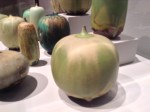


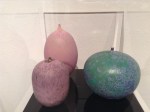


Athena is often mentioned as a war goddess because she was never defeated. She is also the goddess of wisdom and crafts. Her protection is important in firing the kiln. The ceramic demons that destroy a firing can take over without her blessing:
Homer’s Epigrams Fragment 14 (trans. Evelyn-White) (Greek epic C8th or C7th B.C.) :
“Potters, if you give me a reward, I will sing for you. Come, then, Athena [goddess of pottery], with hand upraised over the kiln. Let the pots and all the dishes turn out well and be well fired: let them fetch good prices and be sold in plenty in the market. Grant that the potters may get great gain and grant me so to sing to them. But if you turn shameless and make false promises, then I call together the destroyers of kilns, Suntribos (Shatter) and Smaragon (Smash) and Asbetos (Charr) and Sabaktes (Crash) and Omodamos (Crudebake) who can work this craft much mischief. Come all of you and sack the kiln-yard and the buildings: let the whole kiln be shaken up to the potter’s loud lament. As a horse’s jaw grinds, so let the kiln grind to powder all the pots inside.”
It is obvious to me that Rose Cabat made friends with Athena long ago in order to achieve such masterful results in the kiln. Her work is unique because her special glazes create a silky feel that is her secret weapon. The pots are vivid and beautifully shaped, inviting touch. The soft surface she creates is like no other. She calls the pots feelies, and has become famous for these special touchable forms. Her many collectors are happy to pay $400 and up for a tiny feelie because they only go up in value over time. Rose is still making pots from her wheel chair at age 100, and continues to be in very good standing with Athena. She has a show now at the Tucson Museum of Art featuring her work over her long career. It is incredible to see in person. I have seen her work over the years, but there are so many in one place that it delights the eye..and makes us wish we could feel them. There are some for sale in the Museum shop if you want your own to have and to hold.


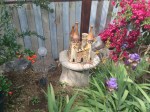

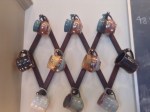





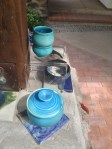


I recently reread the book Centering by Mary C Richards, a potter. In it she waxes very poetic about the subject of pottery. When I was covered with mud I considered Ms Richards to be fluffy and woo woo. About 35 years later I see how centering clay on a wheel is sheer poetry. I also notice my own approach to centering, which has never left me. I now like to center my body from the core in deep water, using tubular units for balance. This month as I attempt to write a poem a day I searched my memory for inspiration. Janet Burner, queen of all alchemists and artist of great skill and talent, popped into my mind. She has awesome technical skills and an alliance with fire like nobody I have ever seen. I like fire myself and enjoyed my time as a kiln queen. Janet has perfected various styles of firing to add variety and excitement to her work. She has always been famous for her raku. Now she has evolved other techniques, both modern and ancient, to bring her work to life.
In the kiln the pot is actually born. Just like an animal at birth, it also has a chance of dying. Potters must accept that some work will crack or be ruined in the firing. They must also accept that pottery is breakable, and glazes can only be controlled to a certain extent. Intimate knowledge and wisdom of the firing process results from practice and experimentation. I think of Janet Burner as the ultimate goddess of the fire. We talked about how ironic it is that her last name is Burner, both because of fire and because one of the oldest techniques used in finished ceramics is called burnishing. Her work today is created in a wonderful studio full of light, love, and art that she built herself. The artful courtyard garden serves as a gallery to display her work. She continues to teach at the Tucson Museum of Art School and grace our community with her participation in the Pima Arts Council Open Studio Tours. Next weekend you can visit artists and see their studios all over Tucson. This is an excellent way to find art and artists.

