mermaidcamp
Keeping current in wellness, in and out of the water
You can scroll the shelf using ← and → keys
You can scroll the shelf using ← and → keys
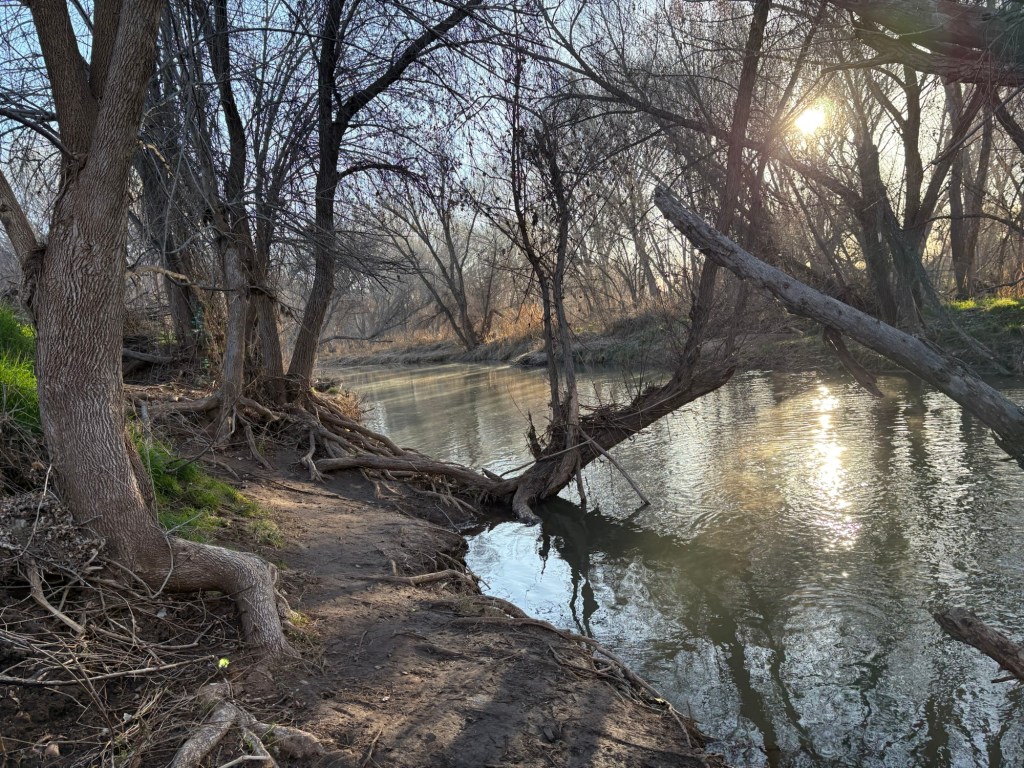
Eternal memories pass through blood
Seep into story dressed as presence
Dance through beliefs fast, no doubts
Leaving traces in modern mythology
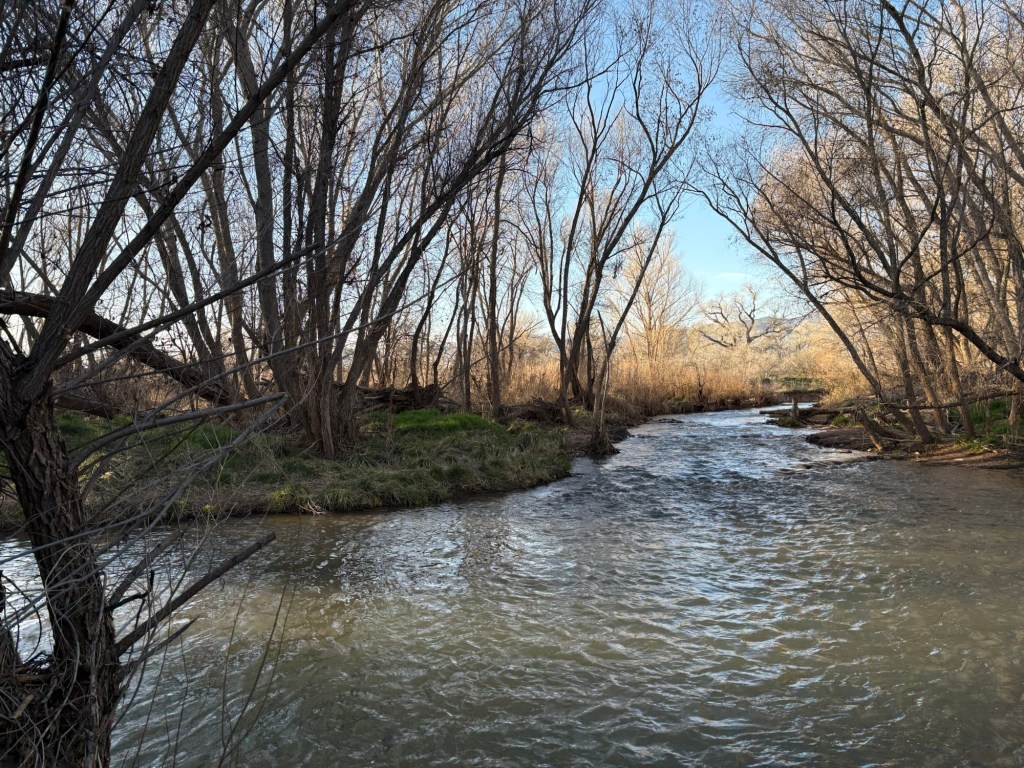
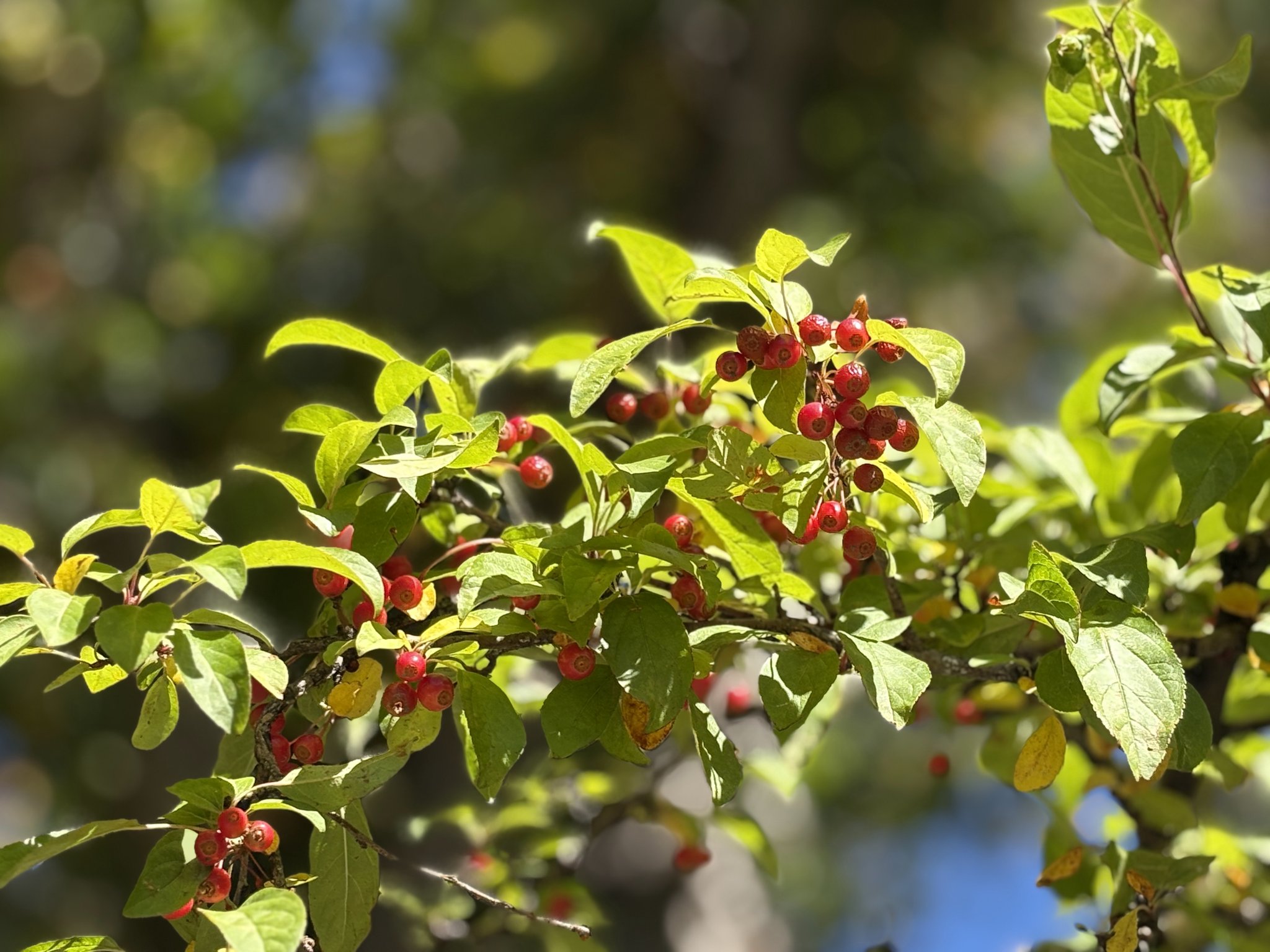
The decorations hang from every window
Cue playlists of tunes the ancients composed
To prepare for some merry days
That mimic the imaginary bounty
That flows from the decorative frenzy
That brings us to the darkness
That holds us in frozen embrace
Until the calendar signals
That we must begin everything once more

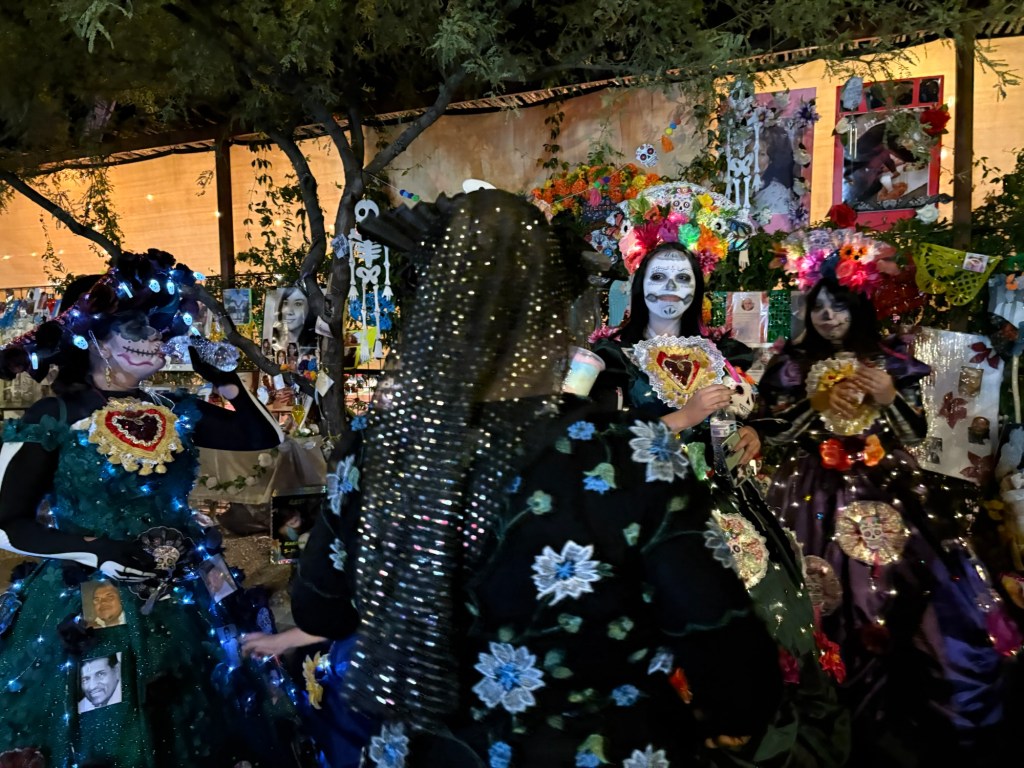
What interior means to the outer layer
Death means to the busy nature of life
Glory, fame, earthly power and pleasure
Disintegrate instantly at the end
Proceed with caution, proceed with care
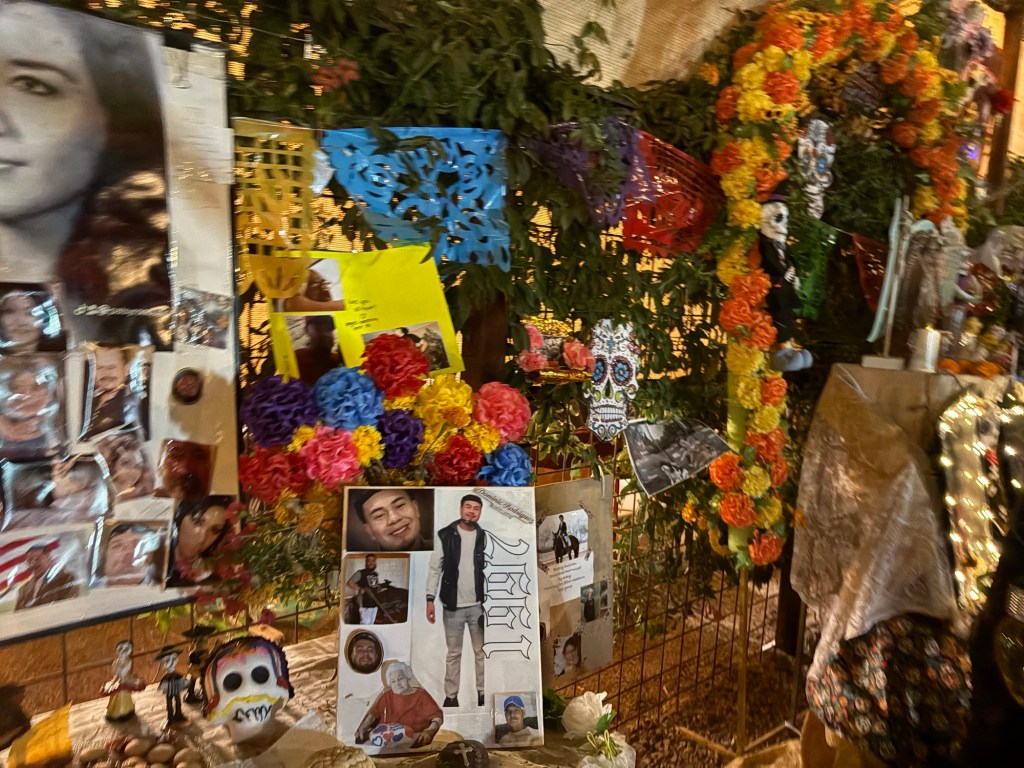

Once one starts to make necessary reductions
How obvious all this excess costs
Dragging around an empty container
Full of outdated concepts that have corroded
Couldn’t be more useless


Shooting commandments from the asphalt
Moses makes an effort to convey
Deep meaning and portents
To these pronouncements of responsibility
His efforts fall flat


Recently public discourse has been a great concern of mine. Some on line acquaintances have chosen to leave platforms or go dark. When one of my friends of many years announced his departure he published an excellent essay about living presence as opposed to on line activity. His words moved me but I was unhappy to lose a view of his daily life.
After consideration of his well written thoughts on privacy and awareness I decided to stay but make new use of the platform I have now. The poet who writes here is a part of my archetypal make up. It’s an artistic skill I want to develop as a tribute to my famous poet ancestor, Anne Dudley Bradstreet. I decided to channel myself into this practice in order to extract myself from the current political debate. I have not found participation in on line politics to be fruitful use of my time or energy. It seems to be a catalyst for social collapse.
I’m sticking with the idea that writing poetry is the most effective method of self care I know. It’s my current way to communicate on the internet without generating vexation. I certainly hope I become better at it, but for now it’s what I do. When I take care of dogs I sing improvisation dog songs in which my current client is the star. They often begin with so and so is a good dog, a funky good dog. They always get it and have no criticism of my work.


The Arabella
My eleventh great-grandfather was an early settler in Cambridge, Massachusetts. The records of the Massachusetts Bay Colony are extensive, so we know quite a bit about his life in America.
MIGRATION: 1630
FIRST RESIDENCE: Cambridge
FREEMAN: Requested 19 October 1630 (as “Mr. Edmond Lockwood”) and admitted 18 May 1631 (as “Mr. Edmond Lockewood”) [MBCR 1:79, 366].
OFFICES: Trial jury in case of Walter Palmer (as “Mr. Edmond Lockwood”), 9 November 1630 [MBCR 1:81]; “Mr. Lockwood” deputy to General Court for Cambridge, 9 May 1632 [MBCR 1:95]; “Mr. Edmond Lockwood” constable for Cambridge, 9 May 1632
ESTATE: 3 March 1634/5: “It is ordered, that Ruth Lockwood, widow, shall bring all the writings that her husband left in her hands to John Haynes, Esq., & Simon Bradstreete, on the third day of the next week, who shall detain the same in their hands till the next Court, when they shall be disposed of to those to whom they belong”
7 April 1635: “It is referred to the church of Waterton, with the consent of Rob[er]te Lockwood, executor of Edmond Lockwood, deceased, to dispose of the children & estate of the said Edmond Lockwood, given to them, to such persons as they think meet, which if they perform not within fourteen days, it shall be lawful for the Governor, John Hayne, Esq., & Simon Bradstreete, to dispose of the said children & estates as in their discretion, they shall think meet, as also to take an account of the said Rob[er]te Lockwood, & give him a full discharge”
2 June 1635: “In the cause of the children & widow of Edward Lockwood, (the elders & other of the church of Waterton being present,) and upon consideration of the order of Court in April last made in the case, which was found not to have been observed, because the estate was not computed & apportioned, it is now ordered, with consent of all parties, viz:, the church of Waterton, the widow of the said Edmond living, & the executor having consented to the former order, that the present Governor & the Secretary shall have power to call parties & witnesses for finding out the true estate, having consideration of the uncertainty of the will, & the debts, & other circumstances, to apportion the remainder of the estate to the wife & children, according to their best discretion; & then the church of Waterton is to dispose of the elder children & their portions as shall be best for their Christian education & the preservation of their estate” [MBCR 1:151].
BIRTH: By about 1600 based on estimated date of marriage (but see COMMENTS below).
DEATH: Cambridge between 9 May 1632 [MBCR 1:95, 96] and 3 March 1634/5 [MBCR1:134] (and probably closer to the earlier date, since Edmund Lockwood does not appear in any of the recorded Cambridge land grants beginning in August 1633).
MARRIAGE: (1) By about 1625 _____ _____; she may have died in England before 1630.
(2) By 1632 Elizabeth Masters, daughter of JOHN MASTERS; she married (2) Cary Latham of Cambridge.
CHILDREN:
With first wife
i EDMUND, b. England say 1625; m. Stamford 7 January 1655[/6] Hannah Scott, daughter of Thomas Scott [FOOF 1:381].
ii Child (one or more additional children by first wife implied by court order to the Watertown church “to dispose of the elder children” [MBCR 1:151]); no further record.
With second wife
iii JOHN, b. Cambridge November 1632 (“son of Edward Lockwood & Elisabeth his wife”) [NEHGR 4:181]; d. at New London in 1683, unmarried [Lockwood Gen 10].
ASSOCIATIONS: Although no record states the relationship explicitly, Edmund and Robert Lockwood were almost certainly brothers.
COMMENTS: The oft-stated origin of the Lockwood brothers in Combs, Suffolk, seems to be based on nothing more than finding the right names at about the right time. Further research is needed before this origin can be accepted.
In a discussion of financial transactions, John Winthrop wrote to his son John in Groton 23 July 1630 saying “If money be brought to you or your Uncle Downinge for Goodman Lockwood, let Mr. Peirce be paid his bill of provisions for him, and bring the rest with you” [WP 2:306].
“Mr. Edmond Lockwood” was the third in the list of eight “Newtowne Inhabitants” which is found at the beginning of the Cambridge town records, and probably dates from 1632 [CaTR2].
After NICHOLAS KNAPP was fined for quackery on 1 March 1630/1, “Mr. Will[ia]m Pelham and Mr. Edmond Lockewood hath promised to pay to the Court the sum of £5” [MBCR 1:83].
BIBLIOGRAPHIC NOTE: The 1889 Lockwood genealogy (Frederic A. Holden and E. Dunbar Lockwood, Descendants of Robert Lockwood, History of the Lockwood Family in America[Philadelphia 1889]) was deservedly described by Jacobus as “a genealogical atrocity” [TAG31:222]. By lumping all the descendants of the first Edmund under his brother Robert, the posterity of this family through eldest son Edmund was misplaced.
Donald Lines Jacobus began to sort the family out properly in 1930, with further contributions made in 1955 [FOOF 1:380-81; TAG 31:222-24]. In 1978 Harriet Woodbury Hodge published detailed arguments for a rearrangement of the Lockwood families that would restore to Edmund Lockwood his children [Some Descendants of Edmund Lockwood (1594-1635) of Cambridge, Massachusetts, and his son Edmund Lockwood (c. 1625-1693) of Stamford, Connecticut (New York 1978), cited above as Lockwood Gen].
Edmund Lockwood (1574 – 1634)
11th great-grandfather
Eliner Lockwood (1592 – 1658)
daughter of Edmund Lockwood
Caleb Knapp (1637 – 1684)
son of Eliner Lockwood
Sarah Knapp (1669 – 1750)
daughter of Caleb Knapp
Ebenezer Mead (1692 – 1775)
son of Sarah Knapp
Deacon Silas Meade (1730 – 1807)
son of Ebenezer Mead
Abner Mead (1749 – 1810)
son of Deacon Silas Meade
Martha Mead (1784 – 1860)
daughter of Abner Mead
Abner Morse (1808 – 1838)
son of Martha Mead
Daniel Rowland Morse (1838 – 1910)
son of Abner Morse
Jason A Morse (1862 – 1932)
son of Daniel Rowland Morse
Ernest Abner Morse (1890 – 1965)
son of Jason A Morse
Richard Arden Morse (1920 – 2004)
son of Ernest Abner Morse
Pamela Morse
I am the daughter of Richard Arden Morse


When Lawrence Washington and his twin brother Robert were born in 1568 in Sulgrave, Northamptonshire, England, their father, Robert, was 24, and their mother, Elizabeth, was 21. He married Lady Margaret Butler on August 3, 1588. Lady Margaret was heiress to a wool fortune. Her father helped Lawrence prosper in the wool trade and become a prominent citizen. He was mayor of Northhampton from 1532-1545, and acquired a manor house known as Sulgrave. Lawrence and Margaret has 17 children, 8 sons and 9 daughters. They married well and created an illustrious lineage, that includes George Washington, the first US president….and me. Lawrence died on December 13, 1616, at the age of 48. He is buried at St Mary the Virgin with St John Churchyard, Great Brington, Daventry District, Northamptonshire, England His plot: Grave is below a stone slab in the chancel of the church.
Lawrence Washington (1568 – 1616)
11th great-grandfather
Richard Washington (1592 – 1642)
son of Lawrence Washington
John Washington (1632 – 1677)
son of Richard Washington
Richard Washington (1660 – 1725)
son of John Washington
Elizabeth Washington (1689 – 1773)
daughter of Richard Washington
Elizabeth Lanier (1719 – 1795)
daughter of Elizabeth Washington
Martha Burch (1743 – 1803)
daughter of Elizabeth Lanier
David Darden (1770 – 1820)
son of Martha Burch
Minerva Truly Darden (1806 – 1837)
daughter of David Darden
Sarah E Hughes (1829 – 1911)
daughter of Minerva Truly Darden
Lucinda Jane Armer (1847 – 1939)
daughter of Sarah E Hughes
George Harvey Taylor (1884 – 1941)
son of Lucinda Jane Armer
Ruby Lee Taylor (1922 – 2008)
daughter of George Harvey Taylor
Pamela Morse
I am the daughter of Ruby Lee Taylor
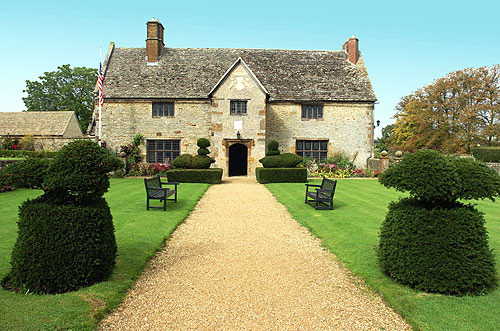
Sulgrave Manor

Andrew Armour’s fort
I recently started to study the matches that Ancestry.com has found for me. I took the test long ago and had paid little attention to that section of the website. I was asked to help a living person who is trying to find his birth father. He contacted me through the message system in Ancestry because he saw I was related to a DNA match he has. This man has done more research and has a much broader understanding of the various kinds of DNA testing available, and how to apply them to answer mystery ancestry questions. I have taken some time to look through the surnames he and I share with no luck in finding a connection. We are waiting for a y chromosome test from my brother to be processed at Ancestry to see if that reveals more. The match may come from as far back as 10 generations, so the whole thing is pretty complicated. I hope we find the answer my distant adopted cousin is seeking. In the process I am learning more about DNA testing and how helpful it can be.
I have had an excellent breakthrough on my maternal side by searching through all the matches and reading the trees. Some of the folks with whom I am matched have no tree. I am not sure what there are doing there. They are not much use until they get some data to go with the genetics. By following my matches in the Armer line I have found very early colonists from Plymouth and more new connections yet to be researched in Massachusetts. I have found Andrew Armour, 5th great-grandfather, born in Scotland 1740, died in Georgia, 1801. This line is also rich with history and original documents galore. The map above is of Andrew’s fort. I also have his will and testament in his own beautiful hand. I always love seeing the ancestors’ handwriting.
In the never ending research to learn more about my ancestors I appreciate any and all breakthroughs that help me verify my family members. The time spent studying my matches has given me a major breakthrough that will yield much more data as I dig into it. I will soon write more bios of this new/old branch of Scotsmen. If you have access to the Ancestry DNA database I believe you will learn something significant from taking the test. If you are already studying genealogy I recommend paying attention to the DNA section for possible happy consequences.

St James the Less Churchyard
Photo submitted by geoffrey gillon on findagrave.com
This is the final resting place of Sir Aubrey. I would love to visit Haleigh someday to take in the sights and visit my dead ancestors, in romantic ruin.
Located on High Street in Hadleigh, Essex, England – Cemetery notes and/or description from findagrave.com: Hadleigh is a town in southeast Essex, England, on the A13 between Benfleet and Leigh-on-Sea. Although a historic settlement with its castle, it has become intertwined with Benfleet to the West and Leigh-on-Sea to the East. This has led to the Hadleigh in Suffolk becoming more well known. Hadleigh is probably best known for its castle, and the country park that surrounds it. The castle has been a romantic ruin for a few hundred years, but parts of two towers are still standing. John Constable painted Hadleigh Castle in 1829, and the painting now resides at the Yale Center for British Art in USA.. Set at the top of a hill overlooking the Thames Estuary, it is possible to see as far as the Canary Wharf development to the west. Since the Local Government Act 1972, Hadleigh, along with Canvey Island, South Benfleet, and Thundersley has formed the parliamentary constituency and local government district and borough of Castle Point. General Booth, founder of the Salvation Army, established the Farm Colony in 1891 in Hadleigh. Today the colony operates an employment training centre for people who have special training needs, and accepts referrals from Social Services and the Employment Service. A reminder of the Salvation Army’s work in the area is a special section at the east end of the churchyard for the graves of Colony officers and workers. St. James the Less Church, like the castle, is a Norman building, with a typical Norman round east end, but the church is still in use today. It is built of Kentish ragstone with 3 feet thick walls. It remains picturesque despite the fact that it effectively stands in the central reservation or island, of the A13.(text by Geoffrey Gillon)

Hedingham Castle in Essex, John de Vere’s main residence
My 20th great-grandfather was tight with the Black Prince, who took good care of his people. Sir Aubrey was knighted and accompanied the Black Prince to Aquitaine in battle. His father, John de Vere, is both my 21st and my 20th great-grandfather. This is because I descend from two of his children, Aubrey and Margaret. I am pretty sure I also descend from the Edward Black Prince himself, but more about that later. When sorting out various branches of a tree it is really important to look carefully for errors.
Sir Aubrey 10th Earl of Oxford DeVere (1338 – 1400)
20th great-grandfather
Sir Richard, 11th Earl of Oxford DeVere KG (1385 – 1417)
son of Sir Aubrey 10th Earl of Oxford DeVere
Sir John 12th Earl of Oxford DeVere (1408 – 1462)
son of Sir Richard, 11th Earl of Oxford DeVere KG
John DeVere (1447 – 1509)
son of Sir John 12th Earl of Oxford DeVere
John DeVere (1490 – 1540)
son of John DeVere
Frances DeVere (1517 – 1577)
daughter of John DeVere
Thomas Howard (1536 – 1572)
son of Frances DeVere
Margaret Howard (1561 – 1591)
daughter of Thomas Howard
Lady Ann Dorset (1552 – 1680)
daughter of Margaret Howard
Robert Lewis (1574 – 1656)
son of Lady Ann Dorset
Robert Lewis (1607 – 1644)
son of Robert Lewis
Ann Lewis (1631 – 1686)
daughter of Robert Lewis
Joshua Morse (1669 – 1753)
son of Ann Lewis
Joseph Morse (1692 – 1756)
son of Joshua Morse
Joseph Morse (1721 – 1776)
son of Joseph Morse
Joseph Morse III (1756 – 1835)
son of Joseph Morse
John Henry Morse (1775 – 1864)
son of Joseph Morse III
Abner Morse (1808 – 1838)
son of John Henry Morse
Daniel Rowland Morse (1838 – 1910)
son of Abner Morse
Jason A Morse (1862 – 1932)
son of Daniel Rowland Morse
Ernest Abner Morse (1890 – 1965)
son of Jason A Morse
Richard Arden Morse (1920 – 2004)
son of Ernest Abner Morse
Pamela Morse
I am the daughter of Richard Arden Morse
Aubrey de Vere, 10th Earl of Oxford (c. 1338 – 15 February 1400) was the second son of John de Vere, 7th Earl of Oxford and Maud de Badlesmere, daughter of Bartholomew de Badlesmere, 1st Lord Badlesmere.
In 1360 he was made steward of the royal forest of Havering in Essex. In 1367 was retained to ‘abide for life’ with the Black Prince, with a substantial allowance. He was knighted, made constable of Wallingford Castle in 1375 and also given the honours of Wallingford and St. Valery, though he gave up Wallingford in 1378 for Hadleigh Castle. Edward III used him as an ambassador in seeking peace with France. In 1381, de Vere became a Chamberlain of the Royal Household and member of the privy council. In 1388 his nephew, Robert de Vere, Duke of Ireland and 9th Earl of Oxford was deemed a traitor, causing Aubrey to lose his post of chamberlain. However, after Robert’s death in 1392, the king gave Aubrey the title of Earl of Oxford allowing him to take a seat in parliament. Aubrey’s son, Richard became the 11th Earl of Oxford on his death.
 mermaidcamp