mermaidcamp
Keeping current in wellness, in and out of the water
You can scroll the shelf using ← and → keys
You can scroll the shelf using ← and → keys

let your light shine
My friend and neighbor asked me recently about my views on aging and dementia. She asked me if I would want to continue to live if I knew I would become demented like both of parents before me. I told her that not only would I want to live, but am actively taking steps to prepare for a care free and easy loss of memory. I am not even a tiny bit attached to most of the things that I know (or think I know). I can easily do without many of the facts I have collected in life. After all, today we can ask the internet to file all of our important information, freeing us to do more creative work. I embrace all the minutia that is now stored safely in the cloud, and the apps that give us access to it. I don’t need all this in the hard drive of my computer, and I certainly have no use for major data storage in my precious brain’s memory. My parents struggled with memory loss and confusion that made the end of life difficult for them. They had big control issues about being infallible and accurate long after they had the ability to understand what was happening around them. I believe their problems were exacerbated by trying too hard to appear to be competent when it became impossible.
My neighbor says she plans to write a list of facts about herself and hide the list in her house. When she is unable to recognize the facts she said she will know she has lost her mind. The irony in the plan is that the list itself would be lost as the first sign of trouble. I have no such thoughts. I think I will be able to adapt to memory loss because I have planned carefully to shift responsibility to reliable parties I already trust. I have a professional accountant who advises me on tax issues and helps me navigate them intelligently. Most of my investments are handled by my fiduciary who has a proven track record as well as a legal obligation to serve my financial best interests. I have placed my assets in trust to simplify and secure the management of them. We can’t foresee the future, but we can do our best to establish systems that will function well even when we may not be. We need to face the fact that our bodily health and mental skills are not eternal. We too will pass. While I am still able I am investing in the only true wealth, my health. My deposits into the health bank include:
Have you ever considered how you will stay secure if you loose some of your mental agility? Have you taken steps to make sure your own best interests are served if you can no longer make good decisions for yourself? I believe that we can be happy and productive in new creative ways if we embrace rather than struggle against aging. I fully expect to become a prolific poet, and I already don’t care who likes my poetry. I think with the right attitude forgetting can be gloriously liberating.
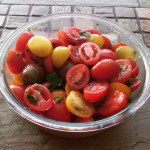

You probably know about the doomsday preppers, who build bunkers and buy machine guns and prepare to survive Armageddon. This has no interest to me. However, the other popular group of preppers, the ones who prepare food ahead of time to make sure they have healthy meals ready when they want them, are very attractive. I started following this idea in 2015 as a way to branch out of my food habits and try new dishes. I had a bad habit of making too much of one dish and tiring of it before we finished it. This was such a waste of time, energy and money. The remedy is simple. Make exactly the amount you need for each meal, or deal with any excess on the spot. I have not started a good freezer regimen, but I have managed to come out even with prepared food. This was one of the benefits, but not the only one. I decided to make at least two different dishes from each basic staple I cook.
I created a calendar in order to finish all my meal preparation in 4 days in order to leave the kitchen clean and undisturbed for 3 days a week. This is such a great change because it means a lot less clean up for the same amount of food. I make a big specific mess, clear it out, and enjoy the meals in the fridge ready to heat or add dressing. I think I can move toward 4 days out of the kitchen if I concentrate. Most of my fellow preppers do a whole week in one day, so surely I can pick up my pace on this. It does not take that much time, but it does require planning and strategy. The time off feels like I have hired a chef to make all my favorites. The fact that I am the chef does not intrude on this fabulous feeling when I waltz into the clean kitchen to find dinner. There is no drudgery involved because the prep days are very creative with research and invention. The magic chef days are wonderful because I reap the harvest of time as well as the pristine kitchen.
I have been a vegetarian for 65 years, so I am not planning to implement any new phase. I am fine as a lacto-ovo vegetarian eater. I have no desire to be gluten free or vegan, but I do really appreciate all the available recipes in those categories. I go very light on wheat, eggs and dairy, so many treats I enjoy are raw, vegan, and gluten free. I also happen to have a kosher home, but I go to no extra effort. This week we came into a giant harvest of cherry tomatoes. I am drying them, roasting them, marinating them, and next I plan to make a salad dressing from some of the roasted ones. I also saw a good looking focaccia recipe with cherry tomatoes and olives on top..That will be a new way to use them. If you have interest in trying these methods or learning about the food prep movement, find everything you might want to know on Pinterest. Happy prepping, gentle readers.
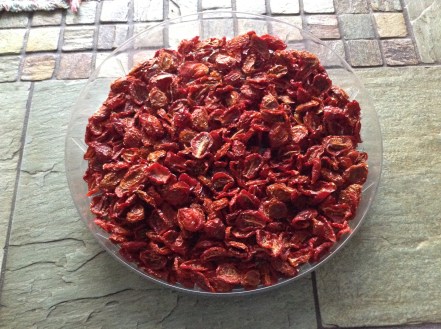
dried cherry tomatoes
I have cleared out my fridge and started a food preparation calendar for 2015. My first inquiry into this popular practice started on Pinterest, where there are many enthusiastic plans to use time and ingredients more wisely. I notice that most of the preppers favor a style of doing the work on Sunday to have planned healthy meals all through the work week. This is brilliant for anyone with a 9-5 job Monday through Friday. I am lucky enough not to have one, so my goals are slightly different. I still want to concentrate the effort into a compressed time slot, so I save time on clean up and on presentation later. I plan to keep the cooking and cleaning to a bare minimum 4 days a week. I can afford to have 3 active preparation days, and spread out the tasks as well as the freshness. I also am dedicating a day to drink preparation. I have been making shrubs, bitters and other infusions. I want to expand my repertoire in the beverage department. There are so many fun recipes to try, and a tasty beverage stands on its own for a pick me up any time of day.
For the first week I have planned (subject to revision in the future):
The rest of the week I am planning to enjoy the fruits of my labors and find out how well I have estimated the proper amount for the week. I already love the organized fridge and the new outlook I am adopting from the food preppers. It is a solid way to improve the way I shop, cook, and eat. I like restaurants, but honestly I prefer pretty and delicious meals concocted by my own hand. I can suit my own whims and moods. The advantage of the food prep practice is having something healthy and ready no matter what happens. I believe it will remove stress and extra money from the whole process of eating. If you have an interest in leaning more about my new found hobby, I can direct you to some highly educational pins:
There is a plethora of information on this subject. I think it offers me a way to structure a long time interest, making and eating food, into a more elevated and pleasurable experience. I think I will learn a lot. Do you use a meal planning and food preparation schedule? This is a first for me. I am sure I will tweek it, but it is a superior way to look at diet.
I am so thrilled with my relationship with my new Fitbit. It arrived two days ago and changed my life. It is everything I hoped it would be and much more. It synchs with your computer (Phone/device) to give you a complete picture of your daily activities. It shows graphs that measure your steps ( and or exertion) in real time, and your calories burned. The food log is simple to use and includes all foods I have eaten so far on a menu with calories counted upon entering. The activity log is available if you care to detail which you have done when . Hiking, biking, running, walking and swimming are listed. You can also create your own categories. I have made a Floatli category because I can’t wear the Fitbit in the water (separation anxiety does occur), but I can record the time I have spent on my computer log. It is brilliant!
This weekend we are planning a pizza party for ourselves and maybe others. I will need to earn the pizza slices that will greatly effect my graph. We decided to put it off until tomorrow, and I am pleased because I can burn baby burn today to be on my goal. The Fitbit is making me think ahead to calculate a plan eat pizza rather than banning it forever and indulging impulsively by jumping off the prohibition of pizza wagon. I love it. It makes me feel the need to deposit calories burned before I eat them!!! I have tracked food on a list and divided into food groups before, but this data is so complete and visually compelling that it makes writing it down seem primitive. The deal in fitness and health is that if you are not having a good time you will not act in your own best interests all the time. Movement, exercise, whatever you choose to call it, is just using the body you have to enjoy life. Measuring it gives you a powerful motivation to improve. Some folks join groups, or compare their performance to the entire population using the Fitbit. I don’t need that because I am most competitive with myself. I have become inspired and enthused to keep all my graphs green and my steps increasing daily.
My Fitbit Flex model also measures my sleep. Last night I had a particularly unsound sleep pattern. The night before I had a few restless seconds and a three short times awake during the night. Last night I spent a long time awake, during 9 different sessions. I was aware of it at the time, and was thinking this will look bad on my sleep graph. I think that in itself is pretty funny. I am even concerned about how my Fitbit scores my performance when I am in bed at night. I think most of my nights will read like my first one, since I do sleep well. The other funny thing about night time is that upon awakening I saw that the gin and tonic I poured for watching television which we do in bed) was almost full. I instantly thought how sad, I wrote that down in my food log and didn’t even drink it. All this concern could make a person crazy, but I believe this is a good crazy. I recommend this kind of crazy to anyone.
In the 1970’s I went to the Elaine Powers Salon to exercise. The regime included a food list sheet divided in to food groups to be filled in daily and reviewed with a staff person once a week. The exercise was self serve, and included those fat rolling machines. Once and hour there was a ten minute session in the middle of the room that anyone could join. This was a primitive, but pretty good model for monitoring diet and encouraging exercise. The consultation with the food list included a bit of physiological counseling because every time the food list was used the emotion felt at the time, the place the food was eaten, and the time of day were also recorded. The chart was divided into food groups and meals, but I don’t think there was mention of calories or fat. The discussion with the counselor was intended to draw attention to habitual patterns and possible ways to improve. The system worked well, and I am not sure why the company folded, but I copied the food lists and used them for years after they were gone.
Today the feedback does not require a sheet of paper or a staff person to review and make suggestions. Now there is Fitbit. We can get real time feedback about our diet and exercise habits, as well as sleep patterns from these tiny devices. I read an article by David Sedaris recently about how the Fitbit encouraged him to move more and be adventurous (and slightly mindless in pursuit of steps). He also told how addicted he became after his step counting became part of his life. When his device died he lasted 5 hours before ordering a new one with express delivery. I love his style of writing and often the stories he tells come alive and go on living and being funny in my head. This Fitbit story has been like that. Today I decided to order my own and see what all the fuss is. I believe that awareness is the best way to make meaningful changes in lifestyle habits. I know I am less active now than I want to be, but am not sure how grave the issue really is. I will soon know exactly what is happening with calories in and calories out. Two days from now I will join the Fitbit generation. Do you use a fitness tracking device? How does it work for you? I think it will be fun.
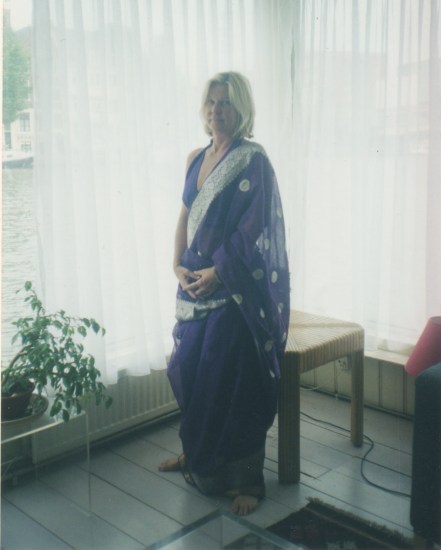
Being Blonde
Our bodies serve us as the vehicle with which and for which we live our lives. If we are strong, flexible, ambidextrous, and well coordinated we are likely to feel good and be healthy. Improving diet and exercise habits can bring about changes in attitude and vice versa. The key to being the best body you can be for your whole life is unconditional gratitude for the body you have now. You may train to become more graceful, more balanced, or more relaxed, but you must work with what you have. Start by loving your skin and everything inside of it. An understanding of basic anatomy is helpful in cultivating well-being. Learning about customs of folk medicine, healing techniques, or diets of foreign cultures can expand the options for self care. Knowledge and understanding are not the key ingredients in radiant health. Acceptance and love for all the ways your body serves you are the foundation on which strong healthy lives are created. What are the different aspects of our physical realm?
The body contains all these different ways of sensing life. Poise, grace, and fitness result from practice. Practice requires focus of mind and body to achieve results. To refine our movements as well as our thoughts we need training. Staying fit and flexible may be the best way to avoid injury. Feeling healthy does uplift the emotions and add to self confidence. Self image is a strong determining factor in the way health is pursued. To clean up and clear up some possible issues from the past answer for yourself these questions:
If you reflect well on these questions and your honest answers to them you may reach some enlightenment. Your thinking, feeling, remembering, and sensing selves can invest in better habits when they are grounded in a healthy self image. First do no harm to your own idea of your body. From there it is possible to heal misguided thoughts about wellness and self care. We deserve the best we can give our bodies for as long as we are in them. Clearing away false judgements from the past makes way for positive changes.
Do you know places, people, or even things that have a healthy, restorative feeling for you? Some spots have been used as healing centers for centuries, acquiring a reputation and a following. Sometimes a professional office space or treatment room can resonate with peace and calm. Waterfalls are typical places that we imagine when we are seeking a retreat from stress and pain in daily life. Some of us reserve space in our homes dedicated to meditation, contemplation, or exercise. Altars at home are reminders of practice, devotion, and connections to spiritual beliefs. I have always been a big fan of visiting hot mineral springs to center my attention on nature and soul. Submersion is both literal and symbolic in healing waters.
I have gone to great lengths and spent a pretty penny to be in healing waters, treated by gifted therapists, relaxing in spectacular places in nature. The concept of healing travel, or wellness retreat must involve a capture of that serenity or wholeness to bring back to the daily practice. Perhaps in calm circumstances one can master a new meditation technique or discover new ways to practice. Maybe while the agenda is clean and clear one can let go of emotional and physical clutter that has daily life fully jammed. Travel to a different location does not guarantee a retreat or a lifestyle change. It is possible, and maybe even preferable, to turn normal living into a health reforming adventure. Finding calm, creating depth, and mastering the art of stress reduction can be practices we include in our routine.
To enter a new lifestyle, a healthier diet plan, a new willingness to live happily, we need to feel confidence. What are ways you establish a meditative, healthy, confident mood? Here are some ways I have tried that work for me:
Don’t wait for your vacation days to move into your personal health retreat mansion. Pick up the keys and live in your own healing presence. Build your confidence while you enhance your surroundings for a healthier, happier outlook.

psyche

psyche
Your health is like a bank account. You deposit and withdraw from your inherited constitution. If you need a loan, there is no place to apply. Your account, like the number of days you will live, is subject to your habits and practices. Diminishing returns are built into the model. Some of us are genetically lucky, while many start life with disadvantages. Accidents and disasters cause permanent damage, mental and physical. There is no way to know how much one will need to withdraw due to illness.
Prehabilitation is more cost effective than rehabilitation because once a system is depleted it may never fully recover. There are ways to make deposits over time that will earn interest. These reserves affect your immune system and your ability to remain calm under pressure. Health is your only real wealth, in the words of Dr. Bronner. Changing lifestyle habits results in changing wellbeing. We need not aim for perfection, since that in itself is cause for stress. Logical, simple additions can be made to daily routine that add up to better health in the long run.
Investments made today will accrue interest as long as you live.
Leonardo, the maestro, was guided by core principals. Cultivation of grace ambidexterity, fitness, and poise were central to Da Vincian thought. He viewed healing as “restoration of discordant elements” in a person. His copious notes on personal responsibility for our own health and well being were left for history. Many think of the Mona Lisa smile as his signature work, but probably the best known of all his art work is the anatomical range of motion dude in a circle and square known as Vitruvian Man. His study of anatomy was accompanied by observation of his own body in relation to his wellness and fitness routine. His self portraits are studies in facial anatomy as well as in painting technique.
He advised people to dine, not eat. One of his many specialities was preparing vast feasts and party catering for wealthy Florentines. He collected knowledge about food and nutrition, recording recipes. He was known about town as having “more than infinite grace in every action”. His cultivation of effortless poise and ambidexterity in his own body made him famous in a rock star way. Florentines would come out on the street for the thrill of seeing Leonardo walking. His notebooks reflect a focus on balance, posture, and centering.
His favorite metaphor was the human body. It is also my own. If you consider any entity it will have a head, a heart, a circulatory system, consumption, and processing of waste. It will have dynamic balance and movement. It will present itself as open or closed, happy or sad. It will have chronic maladies and moods, a backbone, and sharp or weak senses. Often the right hand will not know what the left hand is doing. Next time you need to analyze an institution or business use this metaphor to create a picture in your mind. Ponder one of the maestro’s most famous observations, “every part is disposed to unite with the whole, that it may thereby escape from its own incompleteness.” At this moment, gentle reader, can you see how this applies to you?

Vitruvian Man
I go regularly to Justine Robbins for lymph drainage treatments. I look at it as boosting my immune system. This little known activity in the body is essential for good health. Understanding how the lymph nodes are connected and what they do might illustrate why this treatment can make a big difference in overall your wellbeing and resiliency. In Europe it is more common to find this kind of therapy because there is generally more knowledge available on the benefits. I am so lucky and happy to have access to supportive care for healing and Justine.
 mermaidcamp