mermaidcamp
Keeping current in wellness, in and out of the water
You can scroll the shelf using ← and → keys
You can scroll the shelf using ← and → keys

twilight
Day slips silently into night under a blanket of secrecy
Vallies obscured by clouds are inhabited by shadow creatures
Existing as foggy, sketchy, floating colors and shapes
Without a grounding influence or organizing principle
When the sun sets they arise to do emotional damage
To the unsuspecting addicted souls who hover just above
In hypnotic trances induced by the pressure of life and love
Don’t stare into the sunset, or let your mind drift and shift
If you seek perspective and wisdom stay alert until the fog lifts.
#writephoto
This poem is written in response to this week’s photo prompt on Sue Vincent’s Daily Echo. She shares an excellent photo each Thursday for interpretation by anyone who cares to write a pice of fiction of poetry. Please join us to read, write, or comment.
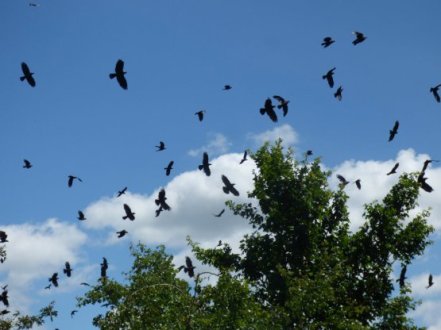
The Flock
We sat on the hill above the flooded river
Watching as towns and farms washed away
Floating downstream on the big cresting waves
Water overflowed the banks and destroyed trees
That had stood on the shore for centuries
Their roots were severed by the current rushing
Swelling, moving the earth beneath their giant limbs
That crashed into the water with furious destructive
Sounds of nature taking her revenge on civilization
The only hopeful sign we could see from our perch
Was the flock of birds flying over their former homes
Taking to the sky to look for a new place to build nests
We envy them their ability to keep the flock together
They fly in tight formation, in search of fairer weather
#writephoto
This poem was written in response to this weeks photo prompt by Sue Vincent on her blog , The Echo. Join bloggers from around the globe for more stories about this photo and last week’s.
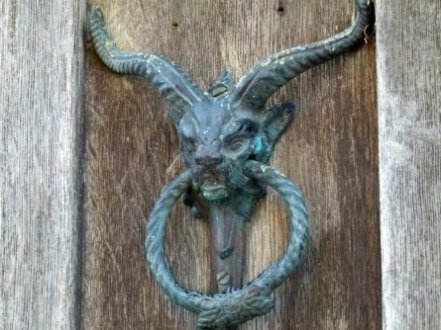
knock knock
This is inspired by Sue Vincent’s Thursday photo prompt
Knock knock, Who’s there? I don’t want to get up from my chair
If you have come to beg for candy I can tell you that the cupboard is bare
If you wanted entertainment you can pass through to the cellar room
Where dangerous characters sit around and complain about the gloom
We have no happy servant to greet you, seat you and serve champagne
These days we are lucky to find a few morsels of food to feed the pain
We brought it all upon ourselves, never caring about the fate of others
Sinister side effects of concentrated self delusion eventually smother
The life out of the privileged and those forced into perpetual service
The end of the road comes to everyone, which makes us all very nervous
#writephoto
Please join writers around the world on Thursdays to read, comment, or submit your own post based on these photos.

weeping window
The tower had been built in the time of the beheadings
Torture and murder were the order of the day
They wiped out knights and murdered the queens
Who did not please the monarch by giving him a male heir
Some of my ancestors lost their heads, fortunes, and means
As players in the center of the Tudor dynasty reign of terror
Some spent their last night in confinement writing poetry
To leave a written legacy to the future subjects of the crown
The sorrow and the suffering of every tortured soul is evident
The stones are carved with the names of the doomed who have past
While the window weeps tears of the ghosts who haunt the present
With their unresolved memories of cruel and heartless treatment
Looking from this point of view we can see the harm done by violence
#writephoto
This poem is in response to this week’s photo prompt from Sue Vincent’s Echo. Join writers from around the globe each week to read, comment, or write your own story for #writephoto.

green passages
People tell stories about the time before the stone wall was built. The streams and rivers flowed freely and served everyone as they went by. Water to run small mills and to irrigate crops was plentiful and easy to find. Family farmers subsided and even thrived in years when the weather was favorable. The community members provided for each other, and the simple agricultural life was comfortable. They had plenty of food, shelter, and water.
Progress came to the area in the form of a land buy out by a large estate owner who wanted to experiment in modern farming techniques. His ignorance of nature combined badly with his lame and greedy attitude toward those with deep knowledge of working the land. He changed the landscape, moved the waterways to suit his purposes, and set out to build an empire. He had a monopoly on all the waterways in the valley, having sewn up all the land on which the tributaries flowed. His signature move was a large stone wall he built. It stood in the middle of stream, with tunnels to handle the water as it flowed beneath the structure. He was secure and pleased with his conquest of this natural resource when all hell literally broke loose. With a crack of thunder and a flash of lightening the sky broke open with a stormy and deadly response to his lack of respect for Mother Nature.
The flash flood poured over all the banks and rushed through the canals and tunnels like an angry dragon. Destruction and erosion brought famine to the land, once ripe and productive. Once the greedy land owner gave up the ghost the land itself returned to a riparian state. The farmers did not return, so the land has been fallow for centuries. It no longer feeds or shelters people. The natural world has taken the place of the former residents. The streams flow sweetly and green moss covers the ancient stone as if nothing had ever happened. All is forgotten.
#writephoto
This slice of fiction is a take on the prompt of this week by Sue Vincent. Visit Sue’s Daily Echo to read, comment, or submit your own story or poem.
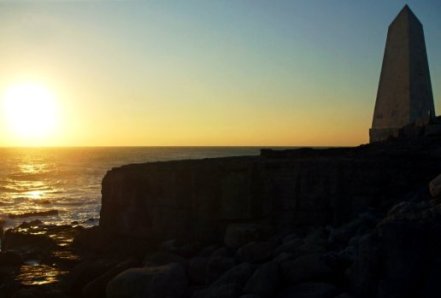
obelisk
The family sailed from England when they had a chance to come to America. The hardship of the voyage and the harsh conditions in the colonies took a toll on the surviving members of the family. They wondered about the decision to live in the new world, and felt lost without the comfort and status of British society. Carving out an existence turned out to be much more difficult than they had ever imagined. They lost touch with the roots of their family back in England and had no way to return even if they wanted to go. They had little money and just barely the time to protect and feed their offspring.
Eventually they came to feel pride in the American adventure they founded, and erected a monument to the first Morses to come to America. They had sailed from a harbor with a large assuming obelisk that bid them adieu when they left their homeland. The group decided to model the new world monument after the last sight they saw as the ship left the shore. British no more, but connected to the language and the culture of the motherland, the American obelisk builders were sure that God was on their side.

Morse Monument
This is a piece in response to Sue Vincent’s weekly photo prompt. Please join writers from around the world each week to read or submit your own story.
#writephoto
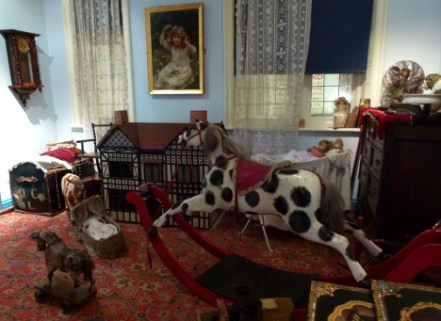
nostalgia nursery
The nursery was filled with heirloom toys and games
The aunts and uncles made suggestions for names
The curse was strong in the family, since the soothsayer
Foretold the demise of the monarchy by a betrayer
A child not of woman born would come along one day
To end the lineage of oppression by which royals play
Centuries have past since the spell had been cast
No heir to the throne has left the dollhouse and rocking horse alone
#writephoto
This poem is inspired by the photo by Sue Vincent, who shares a prompt each Thursday in The Daily Echo. Join writers from around the world to create your own story or poem.

#NaPoWriMo2017

#GloPoWriMo
Poets are still on board to submit 30 poems in thirty days on the poetry train. It is not too late to catch a ride at the #NaPoWriMo site. You may be a poet…and not even know it.

shore
Our secret lagoon was devastated in the storm
Rain pounded the boats, sinking a few of them
Floods of turbid high water with debris swirled
All night we hid in the caves to stay dry and warm
At dawn we climbed down to find our vessels
Had been torn to pieces, then washed out to sea
The retreating water carves a steep sand ledge
We find a few remnants of our water logged possessions
The sun now shines on the beach with apparent calm
Leaving no evidence of everything we have lost
#writephoto
This photo comes from Sue Vincent’s Echo. Each week she inspires writers to interpret a photo. Find the work of these talented writers each week in the Echo. Also, get your poet on this month for National Poetry Writing Month.

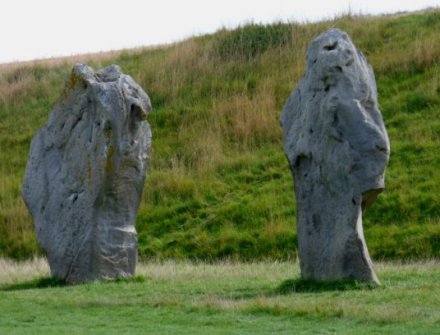
enigma
Druid stoners on equinox standing out in a field
Worshiped the earth and stars in mystic trances
A circle of magical intensity designed to conceal
The secrets of the forefathers who designed the dances
Bringing forth life, then harvesting it defined the seasons
Survival depended on the inherited wisdom and reason
The ancients passed down in ceremony, song, and fable
These figures stand to represent all of our history we know
Our ancestors who haunt this hill held ceremonies long ago


This enigmatic photo comes from Sue Vincent’s Echo, where each Thursday she holds a #writephoto party for anyone who wants to interpret the picture of the week. It is also #NaPoWriMo all month in April. You may find some mighty fine poets at the National Poetry Writing Month site. Enjoy following these hashtags all month and see where it leads you.

stone arch
When we find the arch of stones standing alone
In the ruins of a once grand castle of a once grand duke
We can feel the hours spent preening to make an entrance
Through the elegant opening that framed the costume
The servants scurried to please His Lordship and his guests
With musical serenades, crumpets, and a silver tea service
No expense nor effort was spared to create the illusion
Of grandeur and pomp, great excess and special privilege
Nothing remains of the era they thought would never end
This pile of stones can’t tell us now if history is foe or friend
#writephoto
Please join a talented group of writers who are inspired each week by Sue Vincent’s photo prompts. Visit Sue’s Daily Echo to read, write, or comment on the posts. It is fun to read all the variation on the same photo inspiration.
#NaPoWriMo2017
April is National Poetry Writing Month. Please bust a rhyme yourself, or enjoy reading some poetry at the #NaPoWriMo site here. There are poets contributing for all over the globe, so this year this had been acknowledged by using the #GloPoWriMo hashtag. Both can be followed on twitter or Facebook for more poetic material.
#GloPoWriMo
 mermaidcamp