mermaidcamp
Keeping current in wellness, in and out of the water
You can scroll the shelf using ← and → keys
You can scroll the shelf using ← and → keys
Blue moon adventure

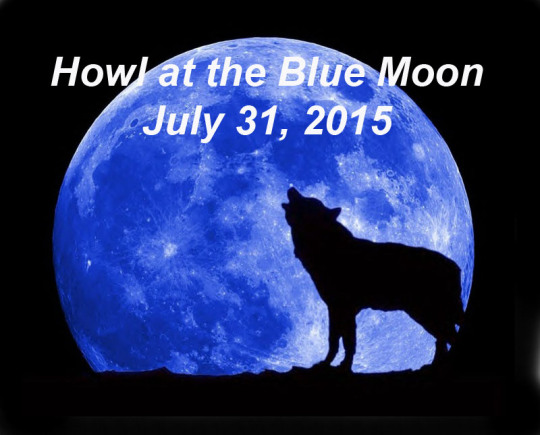 The Blue Moon occurs on Friday, 31 July 2015, 06:42 (second Full Moon in single calendar month). Now is the time to set your intentions towards what you desire. The perfect time to plant whatever it is that you want to reap
It is a moon shrouded in mystery, magic and folklore, perhaps because it only appears once every 2.7 years. The very term “blue moon” is over 400 years old when Shakespeare first wrote the words “blue moon” to mean rare or absurd. The rarity of a full moon appearing twice in one month, or a third full moon appearing in an astronomical season with four full moons versus the normal three, must have inspired the great playwright to coin the term.
The term ‘once in a blue Moon’ means that that something is very rare. But just how rare, depends on your definition.
In astronomy, a Blue Moon…
View original post 544 more words

Yoga and meditation are designed to focus the mind and keep it focused when distraction happens. The very nature of being alive involves change and the unknown. We may have habits and patterns, but we have no way to predict what is just around the next bend. Our futures collide with destiny and fortune to become our realities. Much unnecessary stress is created by attempting to control too much. We can educate and improve our minds, train and feed our bodies with the best nutrition, and stay within strict guidelines for safety and still meet with disaster. It may also be true that through no real effort of our own we may be lucky, blessed, and well loved. If we ascribe good and bad labels to each of our experiences we may find that what seemed the best at the time was a prelude to downfall, and vice versa. We are not 100% in charge of our fates.
Dependent arising is the awareness that desire and fear are driving forces in human evolution. These strong emotional forces dominate our thinking, leading to suffering. The Buddha became enlightened while sitting under a tree eating sweets. His realization liberated him from all his previous desires and fears. He taught his followers saying:
“Whoever sees Dependent Arising sees the Dhamma.
Whoever sees Dhamma sees Dependent Arising”
This essential teaching of the Buddha explains how one thing leads to another when the untamed mind is permitted to ramble. Dependent arising is cause and effect. Every action has an equal and opposite reaction. I think it also explains how we create suffering for ourselves and others by refusing to accept things as they are. If we start by accepting ourselves as we are we can extend that good feeling to others. Once we can stay grounded in a practice of acceptance we develop the power to change. Certain traits are present in a soul still striving to control rather than accept:
To live happy free lives we must find acceptance for ourselves as well as others. We must see that we are dependent on all of our ancestors and everyone alive who contributes to our well being. Nobody exists without a great deal of help from others, many who will remain anonymous. The worldwide supply chain now means we depend on folks in distant lands to make our goods and provide our services. When Amazon delivers a package to your door hundreds, and maybe thousands, of people have been involved in making and delivering what you want. To create a world with more compassion and less violence and terror each of us can start where we are to accept ourselves the way we are. By reaching a state of self compassion we can light the way for others still struggling to find acceptance.
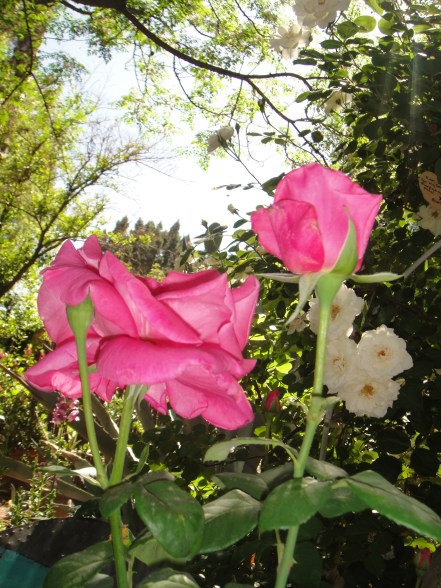
rose
On the 20th of each month bloggers join to speak up for compassion. Click here to visit more posts on acceptance or add your own.
“1000 Voices Speak For Compassion is a blogging initiative started in response to violence and alienation in our world. If you would to be part of a movement for loving change, join our Facebook Group, like our Facebook Page, or look for our posts on Twitter with the hashtag #1000Speak.”
Join the voices for compassion!!! The theme this month is acceptance.

monument
My 9th great-grandfather sailed to America in 1634 when he was only 17. He lived a long and productive life in Rhode Island.
John* (Quaker John) Albro was born 14 JAN 1617 in Warwickshire, England and died 17 DEC 1712 in Portsmouth, Newport Co. Rhode Island at the Quaker settlement (date of death given as November 1, 1712 in “The Greene Family and Its Branches” by Lora S. LaMance, Chapter XXXV, page 220)
John Albro came on the ship “Francis” in 1634 from Ipswich to New England under the care of William Freeborn. His age was called 14, which was not exact but as near as was often the case in making returns to the officials. In 1638 he accompanied William Freeborn to Rhode Island. In 1639 John Albro was a granted a lot if he would build in one year. In 1644 he was made a corporal, rising successively in after years to the office of Lieutenant, Captain and Major. Sometime in 1649 he was made a member of the Town Council, and served frequently as Moderator of town meetings, even into old age.
In 1655, John became a freeman, and a commissioner from 1660-61. On August 24, 1676, he was a member of the court martial held at Newport for the trial of certain Indians. (From the Genealogical Dictionary of Rhode Island) He is an ancestor of Gilbert Stuart (painter of George Washington).
John Albro (1617 – 1712)
is my 9th great grandfather
Elizabeth Albro (1646 – 1720)
daughter of John Albro
Benjamin Congdon (1676 – 1756)
son of Elizabeth Albro
William Congdon (1711 – 1755)
son of Benjamin Congdon
Frances Congdon (1738 – 1755)
daughter of William Congdon
Thomas Sweet (1765 – 1844)
son of Frances Congdon
Valentine Sweet (1791 – 1858)
son of Thomas Sweet
Sarah LaVina Sweet (1840 – 1923)
daughter of Valentine Sweet
Jason A Morse (1862 – 1932)
son of Sarah LaVina Sweet
Ernest Abner Morse (1890 – 1965)
son of Jason A Morse
Richard Arden Morse (1920 – 2004)
son of Ernest Abner Morse
Pamela Morse
I am the daughter of Richard Arden Morse
Major John Albro was one of the most active and influential settlers of Portsmouth, RI. He came from Ipswich, Eng., in the ship Francis, sailing from Ipswich Apr 30, 1634. He was born in England in 1617. He came under the care of William Freeborn and was only seventeen years of age. They landed at Boston and four years later (1638) came to Portsmouth RI. John then being 21 yrs. of age. His fellow townsmen soon began to give him much to do with the affairs of the community. In 1649 he was a member of the town council and he often served as moderator of the town meetings. even into old age. In 1686 King James appointed him as a member of Sir Edmund Andros’ Council for New Eng. and he attended the first meeting of this council in Boston, Dec. 30th of that year. He served as one of the commissioners of the Colony to lay out the W/Eastern? line of the Colony in 1678. During King Phillip’s War he was one of the commissioners to order, watch and ward the the island. He died at Portsmouth, Dec. 14, 1712, and in the 95th years of his age. The Friends’ Records, in recording the death of this useful man state that he “was buried in his own orchard”.
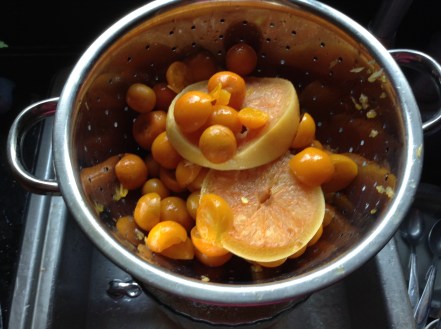
grapefruit and calamondin
It is time for the Food Conspiracy Coop’s eat local challenge. The concept is key to saving the planet in my opinion. I do some gardening and shop at farmers’ markets, but I can’t say I eat 100% locally grown or produced food. When I turn my attention to this challenge, as I have in the past years, I notice how much I still buy in jars and bottles. By shipping my food around in heavy glass containers I add to the cost, but not really to the value, of my selections. I make an effort to use less and less from jars, and I very rarely buy any product in a can. If I can start form scratch I prefer it. Some condiments and ethnic delicacies are beyond my abilities to create at home, so I take pleasure in selecting tasty treats from foreign lands that are either a new sensation, or a serious favorite from the past. Truth be told some of those exotic pricey packaged products are sold at the coop along with locally sourced groceries. That is why the 1-14 of July is an extra special time to head down to Food Conspiracy.
First Fridays are always a day of 10% discounts throughout the store. This month in addition to that discount, all local foods will be on sale for 10% off for two weeks, 1-14 July. This is a chance to kick start the local eating habit with some helpful discounts. A contest will also be held on instagram. Using the hashtag #TucsonEatsLocal, and tagging @foodconspiracy contestants can enter shots of gardens, markets, and dishes prepared with local ingredients to win prizes. The t shirts and $50 gift certificate to the store are cool prizes, but the real prize is the satisfaction of starting a habit that is good for everyone. If this concept caught on in a big way factory farming would become obsolete. Processed foods would give way to fresh and organic because the costs in the long run are lower. By participating in the eat local challenge we bring our attention to how easy it is to do. Have you ever tired to be a locavore, gentle reader? Some places it is much easier than others. I still have citrus vodka I made from our fruits last winter..waste not want not.

citrus hootch
Earlier in the year I made a plan to provide a spa vacation to myself without leaving town this summer. My dog needs me frequently, and the heat is now upon us, so the stay in town has evolved into stay home in the air-conditioning most of the time. I am happy I had started with a plan because the dog care giving could be a depressing situation without it. She is resting most of the time without any apparent pain. I spoke to my cousin this week who is dealing with the end of life issues of her dad. This conversation reminded me how, although the loss is sad and similar, the parent care is a lot more complicated than pet care. I am lucky to have the time and means to be able to stay home with my dog to make her comfortable. I have made some changes to my original plan:
What has been working well at my stay at home spa is the fun with food prep and the use of helpful apps that track my movement and pace. I started using Endomondo while I was still walking outside each morning. It uses GPS to measure distance and speed. I find that my speed dancing a mile is the same as walking outside for a mile. The fitbit has been very helpful to increase my sleep at night, even though I get up for the dog many times. I now use honey to deepen my sleep. By trying the honey method I have increased the average time I sleep each night. This is a very important aspect of keeping my mood positive. With enough movement and enough sleep I can withstand all kinds of stress.
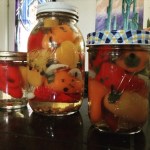
I am also taking advantage of this time to be creative in my own kitchen. I am making new recipes and trying new techniques I have learned from the food preppers. I made refrigerator pickles for the first time. This could be a really fun little hobby as well as a tasty way to keep food from spoiling. I am also working my way through all the chilled soups that look good to me. I have time to write, read, to work on my family history, or do whatever feels good at the time. This too shall pass, but for now I am making it work and reminding myself of the comedy and creativity available to us in life.
Most Auspicious

Venus passes close to Jupiter in the western evening sky during late June and early July in a dazzling celestial display. The image above shows the planets in 2012 when they passed within about 3 degrees of each other. During the 2015 conjunction, the planets appear 9 times closer. This article outlines the circumstances of conjunctions between Venus and Jupiter, the events of this conjunction, and concludes with a list of future Venus-Jupiter conjunctions.
See this article for more as Venus as an Evening Star.
Conjunctions of the bright planets occur when they appear to move past each other in the sky. Sometimes they seem to nearly meet, although they are millions of miles apart. A Venus-Jupiter conjunction occurs between 34 days and 449 days, depending on the relative positions of the three planets (including Earth). Venus revolves around the sun once in about 225 days…
View original post 1,390 more words
I like to use as much fresh produce as possible in all my meals. This summer I have become fascinated with cold soups. I have been a fan of gazpacho forever, and have tried small variations on that theme. Today, thanks to the ever informative index of everything, Pinterest, I am finding new ways to innovate this dish. I was inspired initially by a large haul of fresh plum tomatoes and some bell peppers. They were ripe and needed to be enjoyed. I found a great article in the New York Times by Mark Bittman, one of my favorite food writers. He inspired me to start the summer soup adventure with Romesco style red gazpacho, but also broadened my horizons. Green and red gazpacho can be made more interesting by adding other fruits, herbs, and nuts. Using hazelnut rather than almond in my Romesco recipe gave me the rich taste I love in the classic Spanish sauce of the same name. This is a perfect place to improvise and shape the basic taste profiles to suit you and your garden.
The texture is matter of taste. Some people blend everything until smooth, others prefer some smooth, and some chunks. I am a fan of the smooth with good looking garnishes. Salmorejo is a variation, also popular in Spain in the summer, known as salmorejo. The ingredients are similar, and no cooking is involved. The classic garnish used in Cordoba, the place of this yummy concoction’s origin, is hard boiled egg slices, and sometimes ham. This beautiful vegetarian version uses smokey flavored oil to achieve the Spanish ham effect. I will be happy with bacos, one of my processed food thrills. The grapes and almonds do look appetizing, but chives, parsley, or any herb in the garden would work well too.
Both gazpacho and salmorejo can be made with beets, which is a riff on the tasty borscht from Europe. There is a cold beet soup from Poland call ed Chlodnik involving horseradish cream. The beet goes on.
I am on a roll with new ideas and delicious results. I have cucumbers and tomatoes to use this week. I have already grilled some peppers, chiles, and plum tomatoes. I am trying the strawberry tomato basil gazpacho this afternoon. Sounds intriguing, since I like those things independently. Do you have a favorite chilled soup recipe, gentle reader? I am very interested in collecting more variations on this theme because in Tucson this is the perfect summer diet.

White House
The United States is reeling from yet another mass shooting. The prayer group interrupted by violence is etched into the soul of the country, no matter where we live, no matter what our own religious affiliations. The idea that sanctuaries are not safe is a chilling reminder. While the world watched the church showed the meaning of Christianity and compassion. The city of Charleston displayed solidarity and strength in the face of the tragedy in one of the most significant structures in town. This flow of forgiveness and faith witnessed from the victims’ friends and families has been powerful in its simplicity. They managed to overcome the natural feelings of betrayal and loss by practicing what they preach. They defer judgement to God and pray for peace that surpasses all understanding. I am overwhelmed with gratitude to the congregation of Mother Emmanuel for teaching the country how to mourn, and how to move past sorrow into great compassion. We all need to heed this lesson. These people seem like saints, and indeed they may be. They have a powerful message of hope for us. Nothing is black and white. Nothing is really even under our control. Remember the first commandment when you think you might need to right some wrongs…this is clearly not your personal job.
Meanwhile, right before Gay Pride Weekend in many parts of the country, same sex marriage has become the law of the land. With rainbows flying and floating and projecting everywhere the party to celebrate these new civil rights began. The rainbows appeared early in the morning on Friday and by nightfall the projected rainbows fell on buildings and natural wonders of the world. Other countries celebrated with us by lighting structures to tweet with the hashtag #LoveWins. Twitter supplies a rainbow heart for each #LoveWins, adding to the colorful festive digital fiesta. I found the switch from our black and white racial and political divides to an all out rainbow nation to be refreshing. We need to have a reason to be proud, to embrace the happiness of others, and to actually celebrate equality. Rainbows signify our diversity and our harmony. Let us keep the faith that this nation still has the spirit and the will to make sure that #LoveWins in our future.
The month of June is designated as National Safety Month in the US. Attention to safe practices and awareness is geared toward making the country safer. During this year we are faced with graphic evidence that one threat to our safety can be the police. The teen pool party in McKinney, Texas that turned ugly can only be seen as inappropriate. An enraged cop tackled a teen girl smashing her face into the lawn, then drew his gun on bystanders. I feel the fear as I watch these proceedings. I imagine what my own feelings might be if I was taken down by an irrational armed cop. This reality does make me fear and loathe what police do in my country.
The Department of Justice and the White House sponsored a task force to make recommendations for 21st century policing. The report names 6 pillars on which to focus:
There is a wider gap each day between the cops and the communities paying for police protection. It is not an easy task to build trust when we observe this kind of event on a regular basis. Law enforcement officers are hired to prevent crime and keep the peace. When they look like the most criminal among us, we are right to question the authority we have given them. I don’t know how to reverse this trend, other than doing what you can to love your neighbor and treat him as you want to be treated. That includes all of us.


