mermaidcamp
Keeping current in wellness, in and out of the water
You can scroll the shelf using ← and → keys
You can scroll the shelf using ← and → keys

Citrus pardisii
My grapefruit tree is healthy and bears very well for months each winter. We enjoy fresh juice daily from January until about the end of March. The intoxicating aroma of the blossoms fills the air for about a month in March. The plant is ruled by the sun, like all citrus fruits. It has zingy, cooling and cleansing properties that are prized by health lovers. The fruit and the juice are delightful, but the essential oil of grapefruit has very useful qualities. Buy pure unadulterated oil and store it in the dark because it oxidizes quickly, therefore has short shelf life. Using it with a carrier oil, like jojoba, it can be very helpful to warm up and boost circulation. The benefits of using grapefruit in a massage oil include:
To use the oil for aromatherapy delivered by inhalation you can use a diffuser or use a few drops straight up on a handkerchief. The subtle and immediate effects of the inhalation include:
I never get tired of the smell and the flavor of grapefruit. It makes me happy and nourishes me. Cocktails made with grapefruit juice are very high on my favorites list as well. What is your favorite way to experience grapefruit?

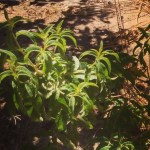
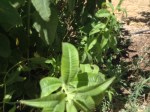
My favorite herb in the garden is lemon verbena. I like to make tea with it all the time, but there are many other uses for this luscious herb. As a bath herb it brightens and refreshes the body and mind. The fragrance is used extensively in perfumery for the lemony zest it adds. In cooking it creates a lemon taste with no bitterness or aftertaste. It can be added to baked goods, salad dressings, drinks, sauces, and fruit salads to brighten a dish. Simple syrup of lemon verbena is useful for many drink and popsicle recipes with or without alcohol. Mixed with citrus fruit it becomes a big flavor enhancer. Rice pilaf, carrot cake, gazpacho, and other dishes can benefit from a pinch of this delicious herb. Store it in a glass jar in the dark to preserve freshness.
I love herbal bathing as retreat and meditative practice. The first one I tried about 20 years ago was rosemary bath. I brewed a strong tea of rosemary and added it to my bath. This method works well, as does the brewing of the tea in the tub by running hot water over a sachet, allowing it to steep, then filling the tub. When you choose the herbs and when you enter the water you can make the entire process a mindfulness experience. Drinking tea made with the same herbs will enhance the aromatic sensory intake. I am planning to take some baths this week with matching beverages and bath herbs. If you have a favorite herb you can try this at home. If the bath is taking place at the cocktail hour I think it is suitable to include the herb in a tasty concoction from the bar that aligns with the indented purposes.
These are ideas for you to design your very own aroma world to enliven your senses and change your mood. There is an art to choosing herbs for the desired mood, but there are very few side effects that inhibit experimentation. If you like an herb you can research it fully or simply determine that it is not toxic, then try it in a bath. The effectiveness may surprise you. When all the pores of your skin are soaking in the active ingredients the results are swift. Bringing to the mind’s eye the results you want to see is the strongest link that brings this practice into the meditational realm. By creating sensory stimulation and awareness at once we step out of our normal situation and into synesthsia of our own design. We use the aroma as an anchor for our meditation. At the least you can enjoy smelling and feeling bit better from the herbal bath. At the most it can be a rebirth and transformation.
 Basil
BasilThere is a long history of perfumes and incense used in ceremony and in popular culture. The Ancient Egyptians used many fragrant oils in the embalming process. It is said that when King Tut’s tomb was opened 3000 years after it had been sealed the urns still gave off the fragrance of frankincense and other spices. Ancient Greeks called all the aromatic products they used aromata. Athletes were anointed with scented oils before competing, and bay leaves were burned at Delphi to induce trance in the priestesses who foretold the future. The Romans raised the popularity and awareness of aromatherapy to new heights. Scented oil massage was the ritual ending at the communal baths in Julius Caesar’s time. Many Roman holidays involved great quantities of scented materials. Rose petals were strewn before men of stature as they walked, and perfume was sprayed on spectators at games. In China the herbal tradition is rich and deep, and it includes the use of oils extracted from plants. They believed that the extraction of the oil liberated the soul of the plant.
Artemisia vulgaris is used in Chinese medicine for moxibustion. In ancient China some people could afford a special room for childbirth. It was called the Artemisia room because the plant was burned during labor to attract kind spirits to the mother and child. The first uses of romantic plants in Chinese healing practices date back to about 2000 BC in The Yellow Emperor’s Book of Chinese Medicine. In Japan incense and the formal art of burning it is taken seriously and used in religion. Special schools, still in existence today, teach the art of Kodo, or perfumery.
Druids burned incense for ceremonial rites, and the Celtic people continued the use. Juniper was used frequently to banish spirits for healing or magic. In Britain monasteries grew medicinal herbs and shared knowledge of plants with other monks. The Crusades brought new plants and remedies traveling back from the Holy Land with the Knights Templar and others. The plague was a time when aromatic plants were used in amulets and strewn to deter fleas, the carriers of the dread disease. The Renaissance brought even wider use of perfumery and aromatic oils in healing.
Today we have many products and options available to us. The availability of pure essential oils is much more widely enjoyed than it was 10 years ago. Products for skin and hair that contain pure oils also abound. Bath sachets, herbal teas, and hair rinses are easy water based ways to absorb botanicals through the skin. Using oils can be simple too. Simply place a few drops on a cotton ball or piece of cloth and take a whiff. Here are a couple of common and inexpensive oils to try:
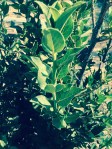

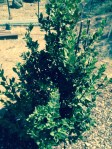
Laurus nobilis is a shrub or tree native to Asia Minor, popular in the Mediterranean, known and used for centuries. It was sacred to Apollo, the sun god in Greece, and had been used in Mesopotamia as protective incense. In the fourth century AD Greek magician and philosopher Proclus Diadochos stated that bay laurel branches were used in ceremonial work to banish spirits. The use of crowns of laurel leaves to award victors in the contests started at the Pythian games, in honor of Apollo who revered the plant. The custom spread and the laurel assumed a meaning of victory or triumph in Rome. A sudden withering or visible demise of a bay tree in the yard was considered to be a very bad omen for the owner.
The leaves are poisonous in large doses, and the sharp edges of the leaves can damage your digestive tract if ingested. They can be used in cooking either by themselves or in a bouquet garni that is removed before serving and thrown away. The flavor is exotic, lending deep flavor to sauces, stews, and pickles. Although it is less common to use bay leaves to season dessert dishes, here are some great ideas:
Try using bay leaf in new ways. Become the cook laureate of your kitchen.

secret garden

lemon thyme

lemon thyme

lemon thyme
My garden is full of lemon thyme, a culinary herb I love to use for seasoning food and drinks. It is potent as a flavoring agent, and has medicinal qualities as well. It is one of the earliest recorded plants used in Western medicine. It can be helpful in treating respiratory problems, digestive disorders, and infections. It strengthens the immune system and can ease headaches and insomnia. Those with high blood pressure need to take caution when using it because thymol, the active ingredient, can prove to be too stimulating for those individuals. Lemon thyme generally contains less thymol and more linalol than red thyme, which may cause less irritation and sensitivity. To take thyme as a remedy you can brew an infusion and drink it three times a day, or make a tincture by soaking the herb in alcohol to extract the active agents and take a few drops of the tincture three times a day. Commercially thyme is used in mouthwashes, toothpastes, and cough lozenges. It is used to flavor foods and drinks as well as in the fragrance industry.
This herb was highly praised in ancient Greece and Rome. The magical significance of the plant is to strengthen the will and promote confidence. Egyptians used it in mummification, and it was used in funeral rites in other parts of the world. The ancient belief that the dead take up residence in the flowers of the thyme plant gives some extra meaning to the psychic dimension. Making a bath sachet to use as both a confidence builder and an anti bacterial boost is a pleasant and effective way to use thyme externally. Skin absorbs the active ingredients quickly during a bath, allowing a low dose to create the maximum healing. Wrap dried herbs in a cloth and brew the tea in your bath for 10 minutes or so before bathing to enjoy the benefits of this method. You keep the sachet in the tub with you so you can scrub with it and enjoy smelling it while you soak. Since I like to include the medicinal ingredients in cocktails here are some ideas:

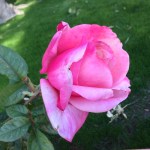
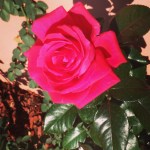
The rose has been celebrated for fragrance and beauty. It is a symbol of the goddess Aphrodite. The Romans used garlands of roses and violets to commemorate the dead. Rosalia was a time to decorate with roses to show respect for the ancestors. The rose originated in Arabia where it was cultivated for perfume as well as for landscaping purposes. Crusaders brought plants back with them when they returned to Europe. This very popular flower continues to captivate our attention in gardens and in perfumery. The symbolic power of the rose is still in use as well. I found a Rosalia party in Maine, here in the US. The Maine folks will make a batch of rose mead, among other DIY rose products. Here are a few ways I have found to include roses in my life:
The roses I cultivate are Lady Banksia, or Tombstone roses that spread and like the very hot climate in Tucson. In season they yield many small white and pink flowers that I use for making flower essence. They are fragrant, and in an essence, very tasty. I drink the essence straight up rather than preserve it with alcohol. The taste is delicious. Many hybrid roses are without scent, so I usually prefer the old style, strong smelling, varieties. To preserve that smell for later use, simply spread the petals out in a single layer and dry on a basket in the dark until dry. I store herbs in paper bags or glass jars. The scent lasts longer if you use glass.

Bitters
I bought a hard cover copy of Bitters by Brad Thomas Thompson after reading about the history of this elixir and the revival of its popularity today. I have always enjoyed cooking with bitters and had only ventured out from Angostura to a couple of other flavors until recently. I saw some sampler sets and bought chocolate, key lime and lavender in small bottles to try. I also bought a fancy one from Scotland that I adore. Experimenting with these flavors in cocktails and in food (I always put some is soups) has piqued my interest in producing some of my own with ingredients from my garden.
The medicinal use of bitters has a very long history of curing headache, indigestion, stomach cramps and more. The herbs and fruits used create both the flavor profile and the curative values. Bitters and soda is the classic companion for rich foods and an abundance of alcohol. There are two kinds, potable and cocktail bitters. Potable are sipped straight up as a digestif, like Campari or Fernet Branca. Cocktail bitters are used to marry flavors in drinks or cooking. They balance and enhance the other ingredients to create a complex synergy.
The book is very well written and researched. The history, the prominent producers today, and opinions from bartenders are covered in the opening chapters. The complete recipes and instructions to create 13 different kinds of homemade varieties follows. Most contain gentian, others calamus root, hops and cinchona bark (the main taste in tonic water) as the bitter element. Fruits and spices such as ginger, allspice and cardamom are used. Since I have ripe calamondins on my tree I plan to follow the orange or the lemon recipe to make my first batch using the citrus I have. The technique is simple, involves vodka and soaking for a month, and seems pretty foolproof. The exciting part is that I have a new way to use my garden herbs and fruits that preserves their flavor and creates a unique product not available on the open market. Mr Parsons suggests a bitters exchange party at which friends gather, make the mixture, and return after a month to finish the process and bottle. I am happy I have just met a neighbor how wants to be my bitters buddy. We are going to make one that includes turmeric for inflammation. I don’t think it will take very long to become expert bitters makers, and since a small amount is effective it will be great to share batches of new concoctions.
The greatest part of the book is dedicated to cocktail and cooking recipes. Beautiful pictures, detailed instructions and a wide variety of new and old make this section of the book really fun to own in hardcover. I have read more of the drinks than I have tried, but am fascinated with some of the non alcoholic drinks like smoked lemonade in which the lemons are smoked for up to an hour before the preparation. There are some flavor ideas that will spark your imagination and creativity. It is the complete guide to the adventure of making and using these curative combinations. Santé!
This is how steel is turned into feathers. Jerry W Harris is a sculptor in Tucson Arizona with a special affinity for birds. His realistic aviary is not only anatomically correct, but also portrays action and interrelationship in every piece. He is working on a sculpture in which one quail will be taking off to fly. It is fascinating to see the process of making the heavy metal appear to be as light as feathers. It requires awesome skill, and as he explains, some knowledge of worthy shortcuts. He has perfected his realism by study of bird anatomy. He is serious about details, including realistic behavior. I think it is fun to watch the detail as it takes shape.
The word cocktail originally meant a drink made with bitters and distilled spirits, but this has changed over time. There are many versions of how the name was derived, including a drink that was served with a garnish of feathers from a rooster. The bartender was more of a pharmacist, and the elements of the drinks were medicinal in the 1800’s. Morphine and heroin were sold on the open market and included in patent medicines in the early 1900’s, so mixed spirits were hardly the most dangerous potions one could use at that time. Bitters were concocted by bartender/pharmacists with the herbs and fruits they had on hand, with whatever knowledge they possessed about the healing qualities of those plants.
Today Angostura and Fee brothers are still producing bitters from ancient recipes while other new producers are entering the commercial market. It is easy to make your own bitters with flavors that work for you. I made a citrus vanilla infusion using an Alice Waters recipe and our organic grapefruit and Meyer lemons this winter which is delightful and has inspired me to dabble in bitters. The process is simple. Add flavors to vodka which is stored in the dark and shaken regularly for two weeks. Strain the herb/fruit/flower mixture and boil it in water to create a strong tea. Store both the vodka infusion and the strong tea for another two weeks, shaking the herbal tea frequently. Combine the tea and vodka after removing the solids and you have bitters. There are several mixtures of flavoring and bittering agents that appeal to me. I think I will make peach bitters when my peaches get ripe just to get started. The bitters can be used in non alcoholic drinks as well as in cooking. I often use Angostura bitters in food. It adds depth of flavor with great subtlety. I did not drink or make cocktails until about 3 years ago but I have become a student of the history and resurgence of the art of mixology. I enjoy seasonal fresh ingredients and the creativity of trying new combinations. What is your favorite cocktail, Gentle Reader?


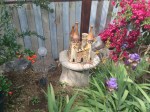







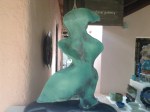

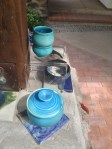


I recently reread the book Centering by Mary C Richards, a potter. In it she waxes very poetic about the subject of pottery. When I was covered with mud I considered Ms Richards to be fluffy and woo woo. About 35 years later I see how centering clay on a wheel is sheer poetry. I also notice my own approach to centering, which has never left me. I now like to center my body from the core in deep water, using tubular units for balance. This month as I attempt to write a poem a day I searched my memory for inspiration. Janet Burner, queen of all alchemists and artist of great skill and talent, popped into my mind. She has awesome technical skills and an alliance with fire like nobody I have ever seen. I like fire myself and enjoyed my time as a kiln queen. Janet has perfected various styles of firing to add variety and excitement to her work. She has always been famous for her raku. Now she has evolved other techniques, both modern and ancient, to bring her work to life.
In the kiln the pot is actually born. Just like an animal at birth, it also has a chance of dying. Potters must accept that some work will crack or be ruined in the firing. They must also accept that pottery is breakable, and glazes can only be controlled to a certain extent. Intimate knowledge and wisdom of the firing process results from practice and experimentation. I think of Janet Burner as the ultimate goddess of the fire. We talked about how ironic it is that her last name is Burner, both because of fire and because one of the oldest techniques used in finished ceramics is called burnishing. Her work today is created in a wonderful studio full of light, love, and art that she built herself. The artful courtyard garden serves as a gallery to display her work. She continues to teach at the Tucson Museum of Art School and grace our community with her participation in the Pima Arts Council Open Studio Tours. Next weekend you can visit artists and see their studios all over Tucson. This is an excellent way to find art and artists.
 mermaidcamp