mermaidcamp
Keeping current in wellness, in and out of the water
You can scroll the shelf using ← and → keys
You can scroll the shelf using ← and → keys
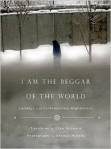
The book I am the Beggar of the World is a collaborative effort by Eliza Griswold and Seamus Murphy. Last night at the U of A Poetry Center Seamus was present for the opening of an exhibit on the book. He spoke to the audience about the process they had followed to find the landays in the book. He explained the cultural significance and historical tradition of these spoken couplets specific to Pashtun women in Pakistan and Afghanistan. The two journalists had served in the region as reporters. They wanted to bring a deeper insight into culture and life than they could offer in a news story. Their investigative trip involved finding women who know the poems and convincing them to share them. Ms. Griswold handled the interview tasks while Mr Murphy shot photos and video footage of the region. They did not attempt to shoot the women reciting themselves for various reasons. This poetry is spoken, forbidden, and often critical. Any image of the women identified with landay might cause them great danger.
There are about 40,000 landays in use at any given time. They are 22 syllables, 9 in the first line, and 13 in the second. They are general statements on life from a woman’s point of view. They remind me of the Mexican dicho, a short philosophical statement that explains the situation at hand. My favorite dicho (saying) is, “Cuando hay dinero baila el perro.” When there is money the dog dances (anything is possible). Landays do sometimes contain great humor, but in general I think they are more haunting and pithy than dichos. Here is one example translated into English: “When sisters sit together, they always praise their brothers. When brothers sit together they sell their sisters to others.” The repression of women is a theme, since this real problem plagues family life. The landay is a way to express emotions as well as outrage at the political systems that are unfair to women.
One of my favorite poets, Piet Hein, wrote short works like these called Grooks. He started in Danish, and worked his way into English. The reception last night was catered with beautiful food and wine for the guests. They had outrageously ripe strawberries and chunks of fresh pineapple, which I enjoyed immensely while standing in line to purchase a copy of the book. I was reminded of what may be my favorite poem of all time, a Grook. “Love is like a pineapple, sweet and undefinable.” I had amazing dreams in my sleep last night. I was wandering around in some other ethnic zone searching for poets, just like in the book. I found some and there was great dreamy party about saving the poems and being anthropologically correct. I was in a fancy tent with a spread that look suspiciously like the food at the reception. I woke up with no pineapple, but a distinct taste of liberation in my mouth. I have my copy of the book to savor and enjoy. I would recommend it to anyone. This is a story of inspiration from history and daily life. The most important thing to remember about them is that their authors are illiterate. This sentiment is shot straight from the heart with no filter, publisher, or even permission. This is the birthplace of all poetry. Edited over centuries, these couplets reflect an accurate and poignant view of Pashtun women and their culture. I believe any reader would enjoy the book.

book cover
ROW80
By joining the Round of Words in 80 Days writers I have been given the opportunity to peek into the process used by different people. Initially revealing goals, and now following the theme for 80 days of pursuit of those goals, we let each other know how our lives are proceeding. Some have chosen more personal ideals, and others are achieving astonishing numbers of words/outlines/rewrites and characters developed. I am impressed with all of the participants, and have started to think more about character development. I have not done this, but am now seeing the merit of telling stories of well-developed characters. From fairy tales to murder mysteries the characters hold our attention, and in some cases can bring about new stories or a series of tales. I live tweeted Downton Abbey last week and find it highly amusing to see how emotional the audience is about the characters. I also noticed that my own poetry is void of any characters. I make it all about the cosmos, memory, psyche, all very general and without personality. I need to work on this aspect of my poems.
There are three levels of character development I can identify in this challenge:
These three have all been at work in my life this week. I have been reading about Dorothy Parker, her life and times. Her character has been made larger than life since the internet. It dawned on me that Mrs Parker was a feminist in the early 20th century. She was a contemporary of my grandmother Olga, who got a masters in education and taught shorthand and typing. I was thinking about how odd it must have been to have no vote and be better educated than your husband. I wondered if Olga read Dorothy in Vanity Fair. I still prefer Mrs. Parker as my muse in poetry, but I must admit my grandmother was a feminist in a different part of the country. They were both strong characters, but I have real memories of Olga. I did write a poem about my grandmother, although it is short and sweet. This whole process has brought me to think it is very wise for me to use these characters in my family tree about whom I know so much. They inhabit my dreams and imagination, so I might as well use them as characters in my poems. I have written plenty about the facts in their lives, but I could focus on a more essential theme.
I gave myself two poetry days off this week, which I regret. I took a birthday holiday. This aspect goes back to number one on the list above, discipline and character. It is actually pleasurable to write a poem each day. The mindset that tells me I deserve a day off from this grueling task is quite bogus. I don’t plan to make up in penance for the lapse, or enhance guilt over this. I do notice that some silly side of my psyche wants to claim that poetry is hard and working on it is, oh my, such a burden on my important schedule. This is obviously rubbish made by some shadow character. I reject the claims of this looser. That character will not be developed. I will write about this poetic couple on the left in the photo below:

My grandparents on a double date
We will teleport in or specialty cloaks to Port of Spain, Trinidad today for our chat. We will have coffee at the inverted Hilton in Port of Spain. Trinidad is the southernmost Caribbean island, sitting right next to South America. There is no other place on earth like Trinidad because of the ethnic background and the history of the population. The Hilton is an old hotel built in a unique style right on the edge of the Savannah. It represents the upper crust, old wealth, and the oil business, a place to dress up and be formal. We are having coffee next to the window with a grand view across the Savannah. We can see the cricket players dressed in white, and those who understand the game know what they are doing. For the rest of us they are lovely white figures moving around on the super green grass. This is the perfect place to discuss imperialism, while still surrounded by a remnant of it. Thanks for meeting me here this morning. It is a beautiful setting with attentive service, quiet and refined. It is a relaxed and private atmosphere where we will not be disturbed. Do tell your stories to us here. You can be assured of our discretion. We might stay until tea time to listen to all the news we have to exchange.
This time of year the whole population of Port of Spain is involved in preparation for Carnival. Other countries have Mardi Gras traditions, and they evolve specifically to the region. When Carnival started as a celebration there were still African slaves, and later the newly liberated, invited to the masquerade. This was the one day of the year they had license to poke fun of their masters. They dressed in mock elegance and portrayed the master class..with humor. The significance of the humor carried over into calypso music. The lyrics in early calypso were hidden messages of political meaning. I remember hearing Philip My Dear by the Mighty Sparrow (sung above) when I was a kid and grasping right away that he was making fun of the queen. Now there are still soca and pan contests, and the deeper significance of political defiance through humor might be diluted, but will never be gone. The dazzling sparklers and the nearly naked parade for more hedonistic purposes now. They may know history and thank their forefathers for starting this party, but Trinis have oil now, so the past fades quickly into the present.
If this is your first visit to Trinidad I hope you will take time to look around the island before you cloak home. Fly over a coffee plant and inhale the aroma of the delicate white blossoms. It will blow your aromatic mind. I also recommend you walk around town and taste some street food when we part company. My own favorite is hot tasty doubles, a home made chick pea delight which you can request with plenty peppa for a spicy edge. Most of all enjoy these people and their outrageous sense of humor and performance. At least half of the population, and most of the farmers, are of Indian descent, so the cuisine is fabulously influenced by them. Between the African roots and the Indian farmers, the English influence is hard to find in the food…well they drink tea, but they don’t eat like Brits. Neither do most of them dress like Brits. They do speak like them, in a way, but much cuter and with more play on words. This place has managed to find a kind of peace between Hindus and Africans, Muslims and the Church of England. I think their key to success is humor. We should look into this.

#Weekendcoffeeshare
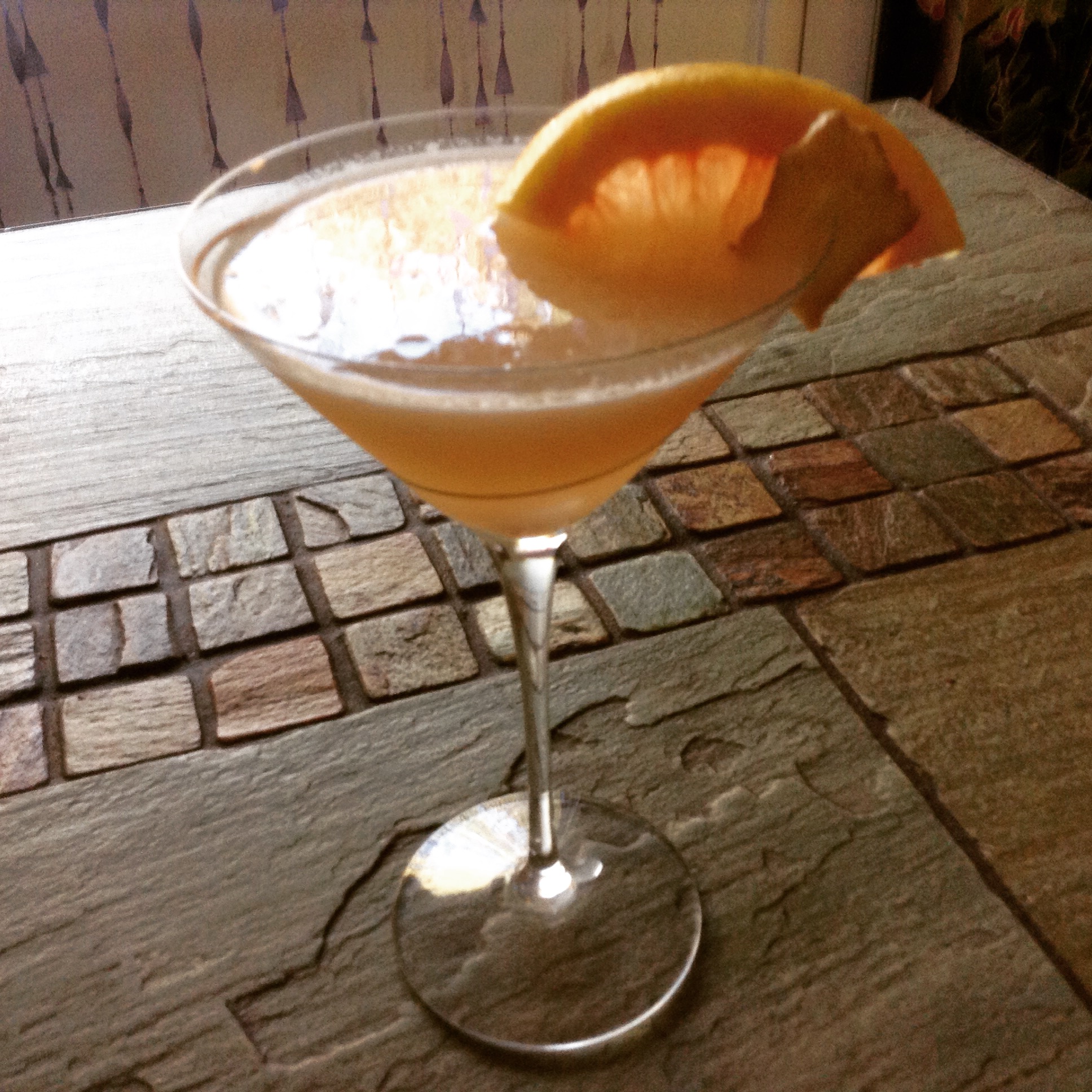
cocktail that wants to be a poem
People walk through the doors of your expectations. This has been my belief for most of my life, and has proven to be a valid one. I have high standards, but notice how I am much more likely to apply them to others than to myself. I do set goals and make commitments, but not usually in a public way. This is why the #ROW80 challenge is perfect for me. I have set myself an expectation of working more creatively and do a daily bit to achieve that goal. I want to practice being more poetic in all aspects of life, so the drawing, photography and poetry are intended to build on themselves . I expect to become more observant in all aspects of my habitual life. There are already a few good results:
The addition of the art has made this exercise natural and easy for me. I have written poetry before, and even looked for art to use as inspiration. Making the art myself is a new and interesting way to tie my attention to a written project. Usually I write the prose, then add the visuals. Starting with color and form is a good way for me to see action and hue within the emotional tone I want to set. I have not attempted to draw anything realistic. My best work is not representational, but based on geometry and color. I am not afraid to try, and am considering going to the botanical garden and trying to do a depiction of the cactus section. Words to go with the cactus poem have been rattling around in my brain as a think about the idea. Although I do publish my work, the purpose of this venture outside my normal writing style is completely personal. I am not seeking adulation or followers. I am curious to see if my writing practice can expand and include more comedy, enlightenment, and beauty. So far, so good!! Now, for the poetry of others:
In general the poetic life is off to a fine start here. I have also started a food preparation calendar, which I think of as an extension of poetic thinking. I want my home life, my cuisine, and my fitness regime to reflect creativity and artful planning. The food preparation trip is actually a very good foundation because it concentrates kitchen time and frees me to wander off into the world of visual art and poetry. I have had some funny thoughts about food and drink poems I want to write. I think a cocktail series could be pretty funny. Asking “What would Dorothy Parker say?” is a fabulous prompt I am using. In my heart of hearts I want the ROW80 to turn me into a glib, sophisticated observer of the details of living. I don’t think that is too much to expect in 80 days.

cornbread that wants to be a poem

psyche

psyche
Each night our psyche brings us images in dreams. We connect with them and live within the dream during our sleep. Upon awakening we sometimes lose the dream images as we file that dream somewhere within our unconscious and decide it is not part of our true reality. Notice that we are within the dream while asleep, and then the images are considered to be unreal when we are awake. We live within a gallery of art and image, dramas with set and costume, in our sleeping world. Our awakened ego is concerned with gathering information and meaning rather than absorbing art for art’s sake. We wake up and enter the world with an explanation for everything. By dismissing the power of the imagination we loose the opportunity to individuate. We diminish our own imagination by interpreting our dream images rather than interacting with them.
We run two systems in our awakened world, an economic system and a therapeutic system. All of our activities are divided into economic obligations and challenges or curing our ills. We are concerned with “growth” of our personal economy or “healing” our wounds. It is easy to see the connections that contribute to the cyclical nature of this limited spiral. What is not so simple is to break these cycles. If our addictions are fed by information, image is converted by the mind into interpretation. The ego prides itself on its ability to interpret everything. Since the ego determines that it alone is conscious, all the rest of reality can be fit into the unconscious basket. The ego explains the image and then its importance is belittled. We cease to interact with it once it has an explanation. Imagery has no explanation. Art and image are animate and inherently charged with insight.
I intend to respect the imagery inside of me by embracing a more poetic view of life. By bringing focus to imagination and imagery I want to contribute to my own creativity. I will investigate how I can interact with my psychic and artistic life through practice. This intention can only be controlled to a certain extent, and it is not my hope to contain my psyche, but to explore it. It has a lot to say.

My parents
The idea that both glory and vengeance belong only to God is an often repeated concept. In the bible this is a giant theme that runs throughout both testaments. This is the keystone of the golden rule, “Do unto others” that we have heard so often in all religious teachings. Repressing anger and believing God is taking care of your personal earthly pay back is not the essence of this idea. Truly trusting that justice eventually prevails in ways we can’t imagine or fathom is a relief. Carrying our own grudges rather than letting go and trusting that the universe will provide both punishment and reward exactly in the perfect portions is senseless. If you step back and look at a bigger version of any drama on this earth you must notice that every action does have an equal and opposite reaction. Some understanding is within our reach, and plenty of mystery still abounds. We actually do not know enough to be effective in this realm.
I have been meditating on the idea that Everything that is the Father’s is mine because the Father and I are one. This, of course is the big father, not my personal dad, Richard Arden Morse. The meditation makes me consider that I do have traits, talents, and even possessions from my earthly father that are mine. I have worked hard not to inherit his anger and greed. The end of my parents’ lives would have been more peaceful and happy if my father had not considered himself to be righteously wrathful. He was angry at entire nations and at anyone he suspected of disrespecting him (the list only grew, never diminished). He used to sing the song “I Have a Little List” from the Mikado which makes fun of this phenomena. By the time he was old and demented his list was so long it tortured him and everyone around him.
Now that Richard has been dead and in the ground for 10 years I am sure he is over his violent feelings. He wants me to know that both glory and vengeance are not mine at all. He warns me with his memory about personally taking on too much anger. He assures me that the truth does set us free and there is no point in crying over spilled milk (this was a favorite expression of his). If you have started a list of those you find responsible for all evil, work to eliminate those beliefs before they make you very crazy. Also, remember, gentle readers, you are on somebody else’s list.
Clarkdale, AZ
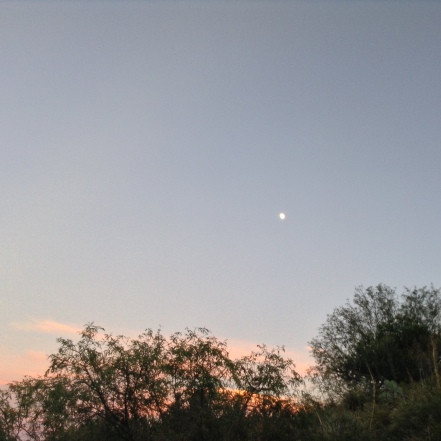
I bought the audio book Falling Upward at the suggestion of a fellow student at a conference I attended last June. I encountered the contemplatives for the first time, and had a lot to learn from them. James Finley guided us for a meaningful and educational weekend. I owned an audio book by Dr Finley and Carolyn Myss covering the subject I have already heard at the conference, transcending trauma. This complex idea deserved a review, so on my recent car trip I listed to the trauma book to deepen my understanding. On my trip back home I decided to hear Richard Rohr read his own book, Falling Upward. I started from Clarkdale before dawn and arrived in Tucson about 10 in the morning. Most of the drive was really scenic, but even Phoenix traffic was bearable because I was enjoying the book so thoroughly. I have one disc still to hear, but I am fully ready to recommend this book to anyone, especially to those over 40. This is another way to look at retirement planning, from a spiritual perspective.
Falling Upward explains spirituality as it pertains to the two halves of life. In other words, humans are involved in the giant birth/death/recycle action of the universal field. There is a time for building up, and a very appropriate time for breaking down. All of nature does this constantly. Although Mr Rohr is a Franciscan and a Catholic priest, his point of view is not all presented from a theological stance. He knows history very well and uses his experience in the study of initiation rites of native people around the world to draw large conclusions. His conviction is that humans are capable of taking a grand excursion of the soul. He reminds us that all saints and holy figures leave home on a big crazy journey, only to return to home. The journey represents necessary suffering that teaches the mystery beyond the suffering. In the second half of life this death of the perceived self, or being in the world but not of it, can lead to enlightenment. In our culture many of us cling to the structures we built in our youth as if there is nothing greater or beyond our own creative control. Falling Upward involves letting go to the point that previous reality fades from view as we float to our intended home in eternal bliss. Sound kooky??? Well, it is. All the saints and prophets were considered to be out of their minds. Many were killed. Before the truth sets you free it generally makes you appear to be crazy.
I like to hear authors read their own books to me. I feel like it becomes more personal. This one is very special because I had never heard of Richard Rohr before his fan told me about him last June. Now I am a huge fan too. I invite you to listen, gentle reader. I could make a big difference in the end.

Falling Upward
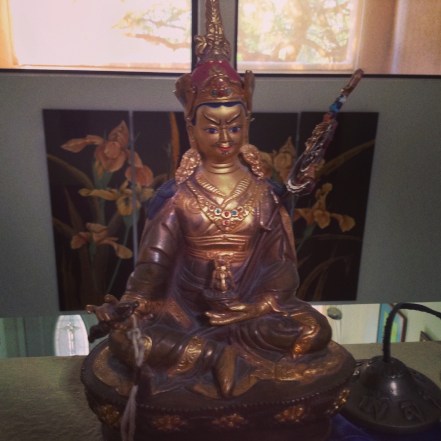
Padmasambhava
The following quote from the famous Dr Carl Jung explains the unconscious inheritance of unsolved and unanswered mysteries from our ancestors. My intense study of all the branches of my family tree that still bear data leads me to conclude that Dr. Jung was onto something. There are certainly themes that run in families, if not a shared fate. We have more than our immediate family to thank for the belief system we have been handed. The religious, cultural, and sociological forces that inspired our ancestors to take action and undertake dangerous missions and travels have not evaporated into thin air. They are passed on as attitudes if not as law.
“I feel very strongly that I am under the influence of things or
questions which were left incomplete and unanswered by my
parents and grandparents and more distant ancestors. It often seems
as if there were an impersonal karma within a family which is
passed on from parents to children. It has always seemed to me
that I had to answer questions which fate had posed to my
forefathers, and which had not yet been answered, or as if I had to
complete, or perhaps continue, things which previous ages had left
unfinished.”~ Dr. Carl Jung , Memories, Dreams, Reflections
I wonder why my addition to my family fortune and mindset will be. History changes the perception of everything, but when we learn about our ancestors we are instantly on their side, no matter what they were doing. With few very crazy exceptions I find I am sympathetic with all of my relations in history because I would not be alive if it had not for their ability to survive. I admire their adventurous natures, and am embarrassed by slaveholding, war mongering, and some elite royal behaviors of my people as they managed to survive. I identify with them and their struggles, trying to imagine myself alive in much more primitive conditions. I wonder how I would have managed in heavily religious times, or times of extreme violence and conflict. Trauma as well as enlightenment is inherited. Distrust as well as confidence is passed down to the next generation. Self image as well as ethics are part of the ethical will we are given. Our national identity contains within it preferences and prejudices that last for many generations. Can you think of belief systems you have that you never questioned? Have you ever wondered if the thoughts in the minds of your family members before your birth have influenced your thinking? How do you explain the collective consciousness?


When the Pope sprinkles holy water he dips it in a branch of rue. Ruta graveolens is used medicinally as well as ceremonially. In ancient Rome there were celebratory foods prepared with rue. It is poisonous in large amounts and should not be consumed by pregnant women at all. There is a homeopathic remedy that is very popular made with this plant. Mexican folk medicine prescribes leaves of the plant stuck directly into the ear to cure an earache. In gardening it is prized for its ability to repel insects from the area where it grows, making it a very good companion. I grow it at the back of my garden by the gate because it is a protector plant. It repels any unwanted attention, human, insect, or otherworldly.
The prophet Mohammed blessed this herb and none other. Early Christians used it to exorcise evil spirits. During the Middle Ages it was hung in the doorway to repel evil, the plague, and witches. Italians had a custom of adorning a silver amulet shaped like the top of rue plant, a cimaruta, with symbols of fertility. This magical charm was used to protect the user against the evil eye. Medicinal uses as well as magical ones have been recorded for centuries, but the way I like to use it is in the bath. Make a sachet of rue and create a strong tea in the bathtub by brewing in very hot water for 10 minutes or so before adding water to hit the bath temperature you desire. To add an extra helping of magic to this bath I spread honey on my face and leave it on while I soak in the tub. After rinsing the face feels very soft and the entire body, as well as the aura, is clean and clear. These baths are great before a meditation session or a creative project. Clearing and protecting are positive ways to influence your moods, your focus, and your ability to rest and relax. If you need protection from evil, or just from too much stress, try a rue bath.
“Even pudding needs a theme.”- Winston Churchill. He could not have ben more insightful. Americans often use freedom as a theme for national celebrations. We repeat themes in our lives without awareness, but how would it make a difference if we embraced themes? Leonardo da Vinci pioneered mind mapping by drawing similarities between seemingly unrelated things. His essential belief in Connessione broadened his thinking and increased his creativity. He took notes constantly, drew pictures and diagrams that we are lucky enough to be able to see today. His notebooks are full of connections, discovery and contemplations.
“every part is disposed to unite with the whole, that it may thereby escape from its own incompleteness”-Leonardo da Vinci. If we think in terms of unification, or connectedness it is obvious that no part of life exists by itself, on its own, with no assistance. Our social connections are different from our commercial connections, and our survival connections are a different group. We rely on systems, nature, people, and cultural beliefs to keep our lives running. By taking a theme for a day we can start to see how connections are at least as important as single relationships. Every relationship touches other relationships, and so it goes. Within the personality of each person there may be dynamic tension or power struggles daily. There are themes within those dramas too. Pick one and observe it for a day, or a week.
Choosing to observe sabotage might reveal deep meaning. We certainly sabotage others and are sabotaged by others. It is also true that we sabotage ourselves and pretend others have done it. Drawing a timeline of the history of self sabotage can be interesting, but why not look at this phenomena in real-time? Check out daily habits that dilute health, happiness or finances. The theme of saboteur is well-known in fiction because everyone has this common issue in real life. If you take time to observe your inner saboteur at work notice how it is connected to those who seem to sabotage you from the outside. Are they in secret alliance? How do they know your weaknesses so well? Are you in cahoots? What are the themes your inner and outer saboteurs use to stay connected to you?
 mermaidcamp