mermaidcamp
Keeping current in wellness, in and out of the water
You can scroll the shelf using ← and → keys
You can scroll the shelf using ← and → keys
What is spooky to you? I find that old cities are full of ghostly remnants. I am not sure if the spirits of people, or just the weight of history is what makes a place feel haunted. There are those places that capitalize on their haunted nature. Jerome, Arizona is such a place. With a haunted hotel and tours of the old ghost town for visitors, spooks are a real value to the business people. The history of the mining town is fascinating and easily lends itself to ghost stories. Today artists and services catering to tourists keep the economy thriving.


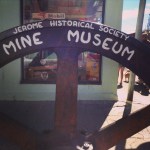
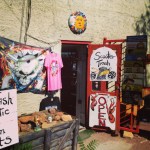
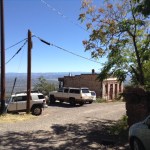

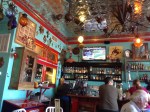
My own feeling there was not so haunted by the dead but by the living. I like the architecture and only stayed a short time, walking around and eating at a Mexican restaurant where I disliked the food and service. Something felt great about leaving the town and driving off the hill. Later I reflected on that whole experience. I do plenty of planning when I travel, and then allow instinct to guide me when I arrive as much as possible. I went up to Jerome on a whim, just to see it. I bought a beautiful glass from an artist, walked around town and bought a 15 minute psychic reading in the basement of the Jerome Historical Society building. I have not often done readings. This was the 5th time in my life. I was allowing my gut feeling to operate since I had no agenda and was not expecting a reader to be sitting in the history museum with a little tent for privacy. I thought, “Why not? This is as good a way as any to get in touch with the spooks of the area.” Her price was reasonable and she did not try to put me on in any way. A good psychic insight sinks in over time, and that is how her reading is working for me. Leaving and pondering the message I wavered about making a decision to eat in a restaurant. I was not sure I wanted to stay. I entered a Mexican place that really suited my taste in decor. I was instantly put off by very unfriendly service and a feeling this was not the place for me to eat. The server ignored me for a full 5 minutes while talking and joking with locals at the bar. I sat through that clear message and ordered food anyhow. I liked nothing about the food and felt the service deserved an F. That was one reason I felt good leaving the town. I ended Jerome on a bad note, and had only myself to blame. I blatantly ignored my own intuition.
Spooks always have the exact same message for me, in a few different forms. I have the ability to size up situations accurately and much more quickly than most people. I don’t say this to boast, but it is a gift I have. I instantly know if someone is lying, even before they say the words. I believe we all come with assorted psychic gifts or talents that we may ignore or develop as we go through life. Our own trust is all we need to check the accuracy of our gut feelings. Upgrade yourself to a belief in your own instincts. If ghosts are around, that is where you can find them. If you are looking for a great view and some possible paranormal activity I highly recommend you go to Jerome, AZ.


home tour
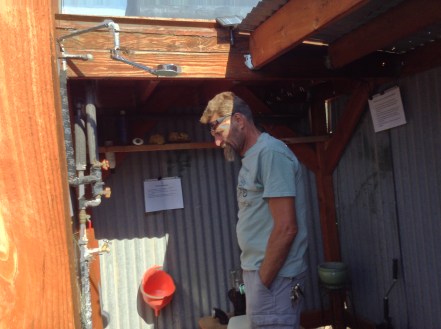
composting toilet
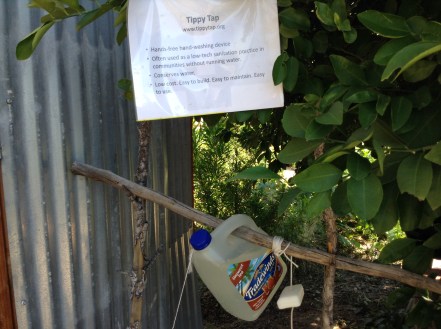
hand washing
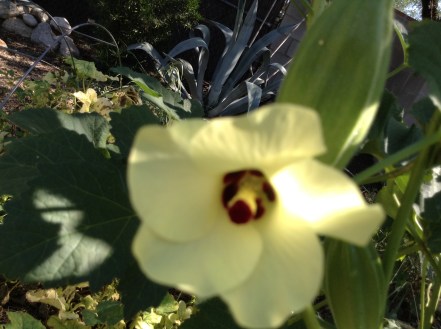
okra

chicken run
We attended the open house and garden tour offered by Watershed Management Group in Tucson this weekend. We are interested in finding ways to improve our soil and conserve rain water since we live in a time of drought in the desert. We have come a long way toward awareness that we need to make use of the storm water that causes erosion and lots of damage to our paved streets. There is still a lot of work to be done, but the interest is growing and the available resources are expanding. Home owners who contribute labor to projects at the homes of others can earn credit toward completing their own projects though the Green Living coop program at Watershed Management. Volunteer opportunities abound, and the coop gives homeowners a more thrifty alternative to hiring a contractor.
The homeowners were gracious showing us gardens, chickens and systems they have installed to capture grey water and rain water. The outdoor bathroom with solar shower and composting toilet was comfortable and had no objectionable smell at all. The agriculture thrives with the help of extra rain water. The plants show obvious signs of good health. Our favorite home display was the aquaponic garden. This system uses a few fish to provide the food needed to grow plants in water. The cascading system is very low in water use since it is all recycled and pumped through the fish tank and back to the garden all the time. We would love to have a system like this, and will go back to visit the aquaponic system to investigate getting our own. The homeowner also had some ingenious use of rainwater for orchard trees and a wood fired hot tub with a charcoal filter system.

aquaponics


aquaponic kale
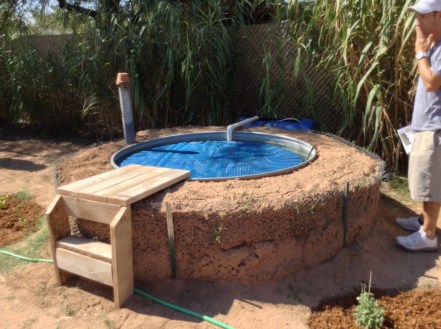
wood fired hot tub
The most developed and well funded display we visited was the Nature Conservancy headquarters. They have taken out the asphalt, installed giant cisterns under the parking lot and in metal tanks. The parking structures are solar electric panels that provide most of the electricity for the facility. The mission of the Conservancy is wonderfully fulfilled by the educational aspects of the campus. The public can visit and learn about water harvesting and conservation any time, but during the harvest tour we were accompanied by a docent who was very well informed and helpful. This well respected institution takes the lead in teaching and practicing ecological sanity. The building itself was built from recycled materials. The non native plants were removed in favor of native landscaping. We are lucky to have this shining example of conservation in our city.
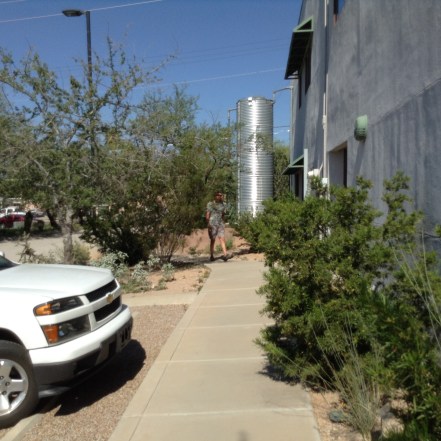
cistern Nature Conservancy
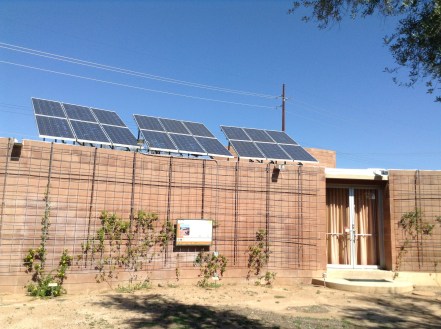
solar electric

cistern
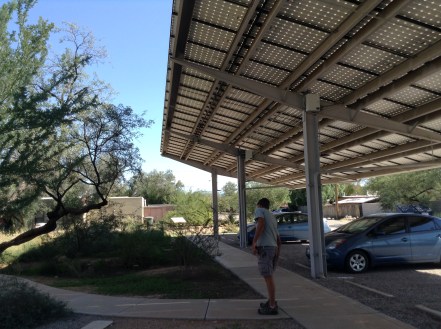
Nature Conservancy
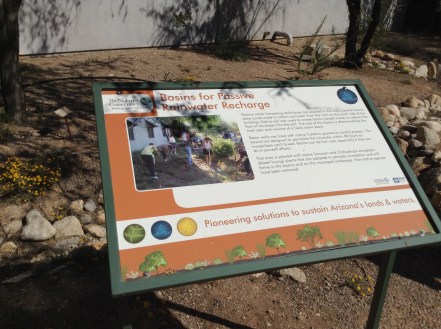
Nature Conservancy

Nature Conservancy
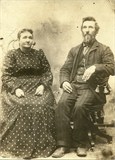
Sarah LaVina Sweet and Daniel R Morse
My paternal 2nd great-grandmother was born in upstate New York in 1840. She married Daniel Rowland Morse, also from New York, in Illinois in November, 1858. She and her parents had moved to Polo, Illinois, which was a stop on the underground railroad. It seems that Daniel joined them on the journey. The couple’s first son was born in Illinois. The young family returned to New York to live from 1860 until 1875. My great grandfather Jason was born during that time. By 1879 they had moved to Kansas to homestead near the Oklahoma Territory border outside of Coffeyville. She remained in her home until after her husband died, then she moved next door to her daughter’s home. She and Daniel are buried in a private cemetery ( her daughter’s family land) near her Kansas home. I visited the courthouse and read all the probate papers that applied to her estate. I have some copies of letters and court findings that indicate what many had implied, that my great-grandfather Jason was not very well liked or trusted. She brought her son down from New York to settle her affairs after she died. My ancestor was conspicuously absent from the business proceedings of her estate. It turned out that court judgements against him amounted to more than his share of the inheritance. Moving to the wild wild west as a teen was perhaps not the best environment for Jason’s upbringing. My grandfather Ernest ran away from home as a very young man because he and his brother did not like their stepmother or her daughters. In 1900 Ernest was living on the Cherokee Nation with his new stepmother. In 1910 Ernest is found living with Sarah and Daniel at their house, working as a farm worker. Later Ernest became a milkman with a horse drawn delivery cart. I am sure Sarah had a big part in raising her grandsons. It was an amazing time in history. It was not so easy to survive wild west adventures in those days. I am very lucky that my pioneer ancestors made it. I did not see the grave when I was in Kansas, but I know where it is for the next visit. Someone has taken very good care of them.
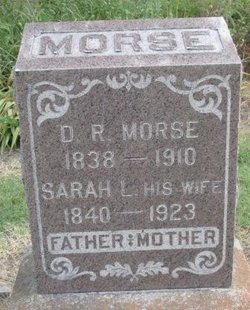
Sarah LaVina Sweet and Daniel R Morse
Sarah LaVina Sweet (1840 – 1923)
is my 2nd great grandmother
Jason A Morse (1862 – 1932)
son of Sarah LaVina Sweet
Ernest Abner Morse (1890 – 1965)
son of Jason A Morse
Richard Arden Morse (1920 – 2004)
son of Ernest Abner Morse
Pamela Morse
I am the daughter of Richard Arden Morse

Cheers!
I am a hedonist. This archetype is a prominent part of my persona. I don’t mind being considered to be a Sybarite. I think I might inspire some people to experiment with allowing a little bit more pleasure into life when they see it does not seem to do me any harm. Art, taste, harmony of elements are all of great importance to me. Often it is much better for me to go to a museum alone because I normally want to stay at least twice as long as most others. I also adore very long, lingering dining experiences that are memorable because of the good company and good cheer. My good friend and fellow hedonist Eric Ellenberg and I once went to the restaurant at the top of the World Trade Center for lunch (long before 9-11). The food and the view were grand. We stayed for hours and I remember it vividly. I have always been happy we went because now we could not if we tried. Most full on pleasurable experiences can’t be repeated. The synchronicity of the moment and all its glory comprise the ecstasy we feel, but that does not mean we should not plan and create pleasurable times. Authenticity is the main ingredient of truly memorable fun times. Holiday excess and obligation often conflict with inner peace and joy. Here are some ways to be festive without breaking the bank or cramming the schedule full of stressful events:
This season many Americans go into deeper debt. From now until next year we will be bombarded with advertising designed to drive the economy. This year you can avoid buyer’s remorse and debt by lighting your own way through the cold winter’s night. Be particular instead of excessive. Use discernment to create gifts and experiences that show how much you appreciate individual taste. I wish all the Gentle Readers good health and financial freedom this winter. Stay solvent, my friends. It is much more festive in the long run.
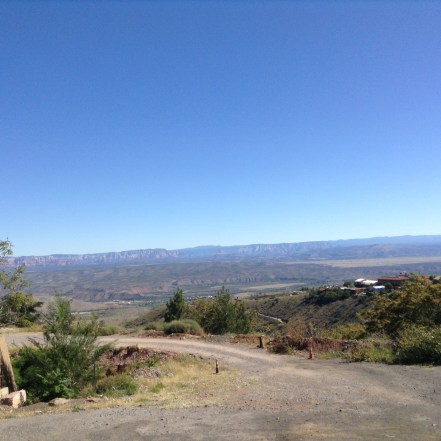
the long and winding road

antique alley

facade
Many people plan for retirement, but I did not. I just fell into it without intending to do so. I spent a lot of time taking care of my parents in their last years which taught me that planning and execution of retirement are two different things entirely. Saving and structuring investments is one way to plan, but there is another, perhaps more important issue, that retirement brings, which is identity of self. All of our professional and family lives we identify ourselves with the role we play at work, at home, or in our social groups. As we grow out of our careers or positions a crisis of knowing one’s self can be the biggest obstacle to happiness. Investments in markets pay dividends. Investing our energy into a persona that is a passing phase of our character can block the path to our understanding and fulfillment. When we are free of the pressure of maintaining the personas, or the facades, that people expect from us we are free to express ourselves artfully and generously.
I recently decided that designing new business cards gave me an opportunity to decide what I want to do next in my life. I pondered the idea of offering a service to spa owners to help them spy (private espionage) on their own operations. With so many different establishments calling themselves spas these days it seemed like a good way to start a new idea and make good use of my background. I took the idea with me on a short trip to consider the ups and downs of the plan. My weekend trip was busy, so I did not spend much time thinking about my new card or concept. I enjoyed the freedom of doing just as I pleased for a few days since I left the dog and my partner at home. On the drive home I listened to the audio book Falling Upward, by Richard Rohr. There was an obvious synchronicity between the material in the book and my idea to become a professional spa spy which became more clear as I considered what Mr. Rohr was teaching. He discusses the difference between getting old and becoming an elder. He uses the term elder in the sense of leadership, tribal or otherwise. An elder is in possession of wisdom which is shared with the tribe. An old person who has not released his life’s earlier personas and roles does not enter a state of wisdom of peace. Old people with anger and personal greed issues never pass into the realm of the elder, but remain in the building and striving part of life. I saw that making an attempt at retuning to spa businesses for any reason was really a trip in a backward direction. There are many good reasons I no longer work at spas, and it was smart to remember some of them before I decided to return to the same culture with expectations that I could improve the situation with my very important opinions. I was pulled back from the brink of a big mistake. There is no need to travel that road again.
I like to have business cards when I want to give people a way to contact me. I decided to print cards that have none of my former logos, as a way to break free from any past issues that might entangle me. I am not including my physical address on the new cards because I don’t need the world to know where I live. I included my twitter handle, @spafloating, my home phone number (my cell number is a secret from everyone), and the address of this blog, http://pamelamorse.com. I thought for a while about the title, since I printed a large batch and want it to last for a very long time. I used simply inventor as my title. The most exciting thing about being an inventor is not the fact that you have invented something. The coolest thing about being an inventor is that you can do it again if you so desire. I plan to invent the most artful and soulful retirement a person could ever imagine. I have been doing it already for years, so now that it is official I should flourish. What is your retirement plan, Gentle Reader? Have you thought of your retirement in terms other than financial investments?
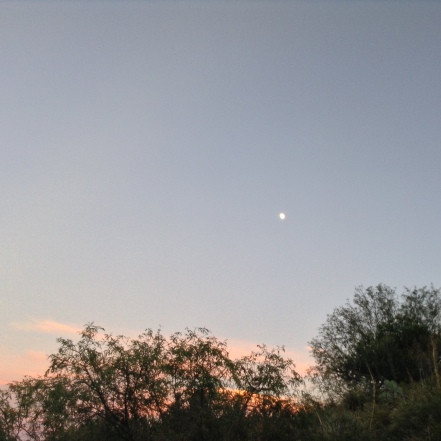
Clarkdale, AZ
I bought the audio book Falling Upward at the suggestion of a fellow student at a conference I attended last June. I encountered the contemplatives for the first time, and had a lot to learn from them. James Finley guided us for a meaningful and educational weekend. I owned an audio book by Dr Finley and Carolyn Myss covering the subject I have already heard at the conference, transcending trauma. This complex idea deserved a review, so on my recent car trip I listed to the trauma book to deepen my understanding. On my trip back home I decided to hear Richard Rohr read his own book, Falling Upward. I started from Clarkdale before dawn and arrived in Tucson about 10 in the morning. Most of the drive was really scenic, but even Phoenix traffic was bearable because I was enjoying the book so thoroughly. I have one disc still to hear, but I am fully ready to recommend this book to anyone, especially to those over 40. This is another way to look at retirement planning, from a spiritual perspective.
Falling Upward explains spirituality as it pertains to the two halves of life. In other words, humans are involved in the giant birth/death/recycle action of the universal field. There is a time for building up, and a very appropriate time for breaking down. All of nature does this constantly. Although Mr Rohr is a Franciscan and a Catholic priest, his point of view is not all presented from a theological stance. He knows history very well and uses his experience in the study of initiation rites of native people around the world to draw large conclusions. His conviction is that humans are capable of taking a grand excursion of the soul. He reminds us that all saints and holy figures leave home on a big crazy journey, only to return to home. The journey represents necessary suffering that teaches the mystery beyond the suffering. In the second half of life this death of the perceived self, or being in the world but not of it, can lead to enlightenment. In our culture many of us cling to the structures we built in our youth as if there is nothing greater or beyond our own creative control. Falling Upward involves letting go to the point that previous reality fades from view as we float to our intended home in eternal bliss. Sound kooky??? Well, it is. All the saints and prophets were considered to be out of their minds. Many were killed. Before the truth sets you free it generally makes you appear to be crazy.
I like to hear authors read their own books to me. I feel like it becomes more personal. This one is very special because I had never heard of Richard Rohr before his fan told me about him last June. Now I am a huge fan too. I invite you to listen, gentle reader. I could make a big difference in the end.

Falling Upward




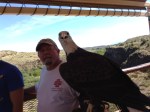

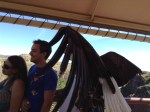


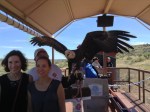
I drove to Clarkdale, AZ last weekend to ride the Verde Valley Railroad with Sonora the bald eagle. She was brought to wildlife rescue as a very young bird with her wing badly broken. Today she can fly in her enclosure, but her wing never healed well enough for her to return to the wild. I have to say for a captive eagle, this girl gets around and continues to enjoy nature while she rides the train through the canyons. Her enclosure in Scottsdale is at Liberty Wildlife Refuge, at the home of a former vet of the Phoenix zoo, and her two handlers that accompany her on field trips obviously love her dearly. She is a pampered (not that it was her choice) suburban eagle with a soccer mom schedule of school events, train appearances, and other symbolic and educational obligations. She seems happy, and everyone who gets to see her up close and personal is ecstatic while in her presence. I was completely out of my mind. She flapped me on the head with her wing while I was standing next to her, which I consider to have been a super magical gift. She didn’t hurt me at all, but I did get a sense of her power. I want to say I am her greatest fan, but I suspect we all adore her at the same very high level. She is just awesome. If you have a chance to meet Sonora, don’t miss it. She rides the train once a month for now. She began her programs on the train in 2010 when she was 3. Now she is a seasoned model and train enthusiast. I can’t tell you how fun it is to meet her.
The Verde Valley north of Phoenix has a very interesting history. I had not visited the area for years and had read about the popular wine trail as a destination. I decided to spend a night in the restored historic section of Cottonwood. It is charming and very laid back. Folks are friendly, and most of the merchandise I saw on offer was of high quality. There are several antique dealers with very large inventories of interesting items. There are excellent restaurants and plenty of wine bars for tasting or evening entertainment. The wineries are doing good business here selling mostly limited small batch varieties. I did a tasting at the Burning Tree Cellars that I enjoyed. I liked all of the reds I tried, to my surprise. The Arizona wine industry has vastly improved the quality of their products in recent years. Some of the Burning Tree wines are made from California grapes, but made and bottled in Camp Verde, AZ. Arizona can be proud of our wine now. It has come a long way, baby. The walkable downtown makes tasting here a breeze. There are four upscale wineries located in a two block area, all very popular.
I don’t drink much wine these days, but am always immersed in history. I like to learn everything I can about places I visit. Knowing what happened in the past brings the place to life for me. I was unaware that Cottonwood had such a famous and checkered past. This tiny town was the bootlegging capitol of the state in the 1920s. There were tunnel systems below the streets leading from one storage place to others. The typical establishment had a pool hall, a barber shop, or another small business in the front and liquor sales in the back of the building. The tunnels were connected to homes and shops, as well as to automotive garages. Cottonwood bootleggers were supercharging cars and filling them with liquor to transport out of the area. It is said the garages had two tanks on the street out front, one with gasoline and another with hootch. Al Capone was once held in the local jail and there is a carving of his name that still remains. A still blew up and caused a very large fire that destroyed many wooden buildings in 1925. I learned all this and more when I took a short walking tour with Karen Leff, Cottonwood businesswoman and enthusiast.
I entered the lobby of the Cottonwood Hotel and found Karen, who is the owner, at the reception desk. She has made a study of the town’s history by questioning old timers who remember, and looking up documents and newspapers from the past. Her knowledge is extensive. She shares it by leading tours for interested groups by organizing Custom Cultural Heritage Tours. It was my lucky day because she had a short window of time to give me a quick version of her walking tour. I had a wonderful time touring some of the rooms in her hotel before we walked around to see the places the bootleggers made famous. Mae West did stay at the hotel, and a charming suite dedicated to her memory is one of the choices for accommodation. The small former rooms have been updated and expanded for modern taste. The balcony is a treat because it gives a full view of Main Street below. The view came in handy for a group of bank robbers who checked in. I fully enjoyed my time learning about history and some present day ghost stories as well. If you are in the area I fully recommend one of the tours Karen offers. She is in love with her town and it shows. You will get in touch with the spirit of the past by looking around historic Cottonwood. Karen added greatly to my appreciation of the town.



Pecans grow abundantly in Arizona, with large commercial groves to be found both north and south of the city of Tucson. Green Valley Pecan Company is the largest pecan farm in the world. I love the organic pecans from our neighbors just 20 minutes south of Tucson. They sponsor the Sahuarita Pecan Festival to celebrate the harvest and get festive with the local population. This year the festival will take place Nov. 8, 2014 from 9 am to 5 pm at the farm. Parking is free until 8:30 am, and $5 per car after that time. I adore food festivals. I am a bigger fan of nuts than I am of wine, so this local festival is particularly appealing to me. I am not waiting to start eating my organic Green Valley pecans. I have already polished off half of the first bag I purchased eating them straight up. That is honestly my favorite way to have them. I do cook with them, and when I was in Austin this summer I heard about a pecan syrup being used in bourbon cocktails that intrigued me. My friend made a wonderful concoction of bitters by using a whole pecan in the shell as one of the local ingredients she was testing. The flavor of the nut came out nicely in the final product, the shell lending some bitter notes. My mother used to shell loads of pecans each year and give them to me as a holiday gift. It was the best thing she gave me, and she kept doing it until she was very old. She would spend a month or so shelling pecans in the fall for her holiday gifting. She was from Texas, so I imagine this came from her childhood. She made a decent pecan pie, but my mother, Ruby, specialized in pralines. She made no other kind of candy, and it only happened once a year (for the holiday gifts). She put pecans in her fruitcakes too, but then she ruined them with fruitcake (I was never a fan of this extremely labor intensive preparation).
Here are some savory examples of pecans for fall festivities:
Most of the classic pecan recipes are for sweets:
If you have made the ice cream you can them have a:
What is your favorite way to enjoy pecans, Gentle Reader?

shrimp plant

fairy duster
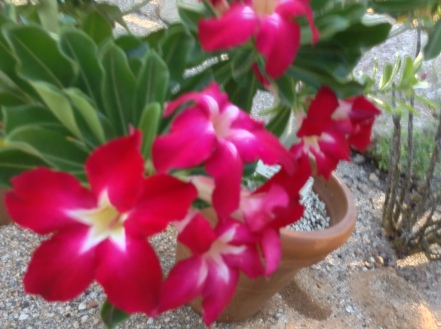
desert rose
Science Friday is a show on PBS radio that I enjoy. This week I heard a story that has fascinated me. They are sponsoring a nationwide program to encourage people to enter into science experiments. The scientific methods are shared with anyone who cares to discover literally anything. Citizen science is a booming area of interest. Anyone can participate and if the results are shared on line with the hashtag #observeeverything there is a chance of encouragement and coaching from other scientists. The idea is to observe anything with a question in mind. Random observation can be the place to start. If you start today to closely watch what happens around you something may catch your fancy that can be the basis of your experiment. It should truly interest you and make you curious. There may be something you have been wondering about for a while, or you may stumble upon a phenomena you can’t explain or interpret. After you narrow down a question or theory to prove you need to take detailed notes and maybe some photos or videos to support your experiment.
I did a lot of science at home with my father when I was a child. I was struck by the way my dad was relatively careless with chemicals. He brought chemicals home from his job at Gulf Oil research. I like the dry ice the best. He liked to blow things up and make bombs. That was okay, but there were some fairly dangerous accidents as a result of my dad’s science lab in the garage, the backyard, and the front sidewalk. One time we spilled an explosive mix designed to be dropped in small quantities on the sidewalk to pop when it was touched. My father set of the toxic explosive spill with a broom and it flared up and looked like it might set the front porch on fire for a few minutes. I preferred to put dry ice in the bathtub and blow bubbles that would rest on the top of the CO2. I was also allowed to play with a large bottle of mercury..that’s right, mercury. My friends and I rolled it around in our hands…OY! I had access to a Teslacoil that we used to make our hair stand on end and to zap each other. I guess my childhood was a kind of mad experiment.
I have been making bitters lately and have been thinking maybe there is an experiment I could do that relates to different kinds of bitters and their effects on the body. Since it is subtle I don’t know how one might go about such a test, but I am considering that as a possible subject. I think the thing to do is go start that observation and see if something jumps up at me and wants to be studied. Is there a question you are itching to answer? Take a look at the twitter stream or the #observeeverything streams on any social media to follow the latest and see where the citizen science movement will lead us.
 mermaidcamp